
Plants
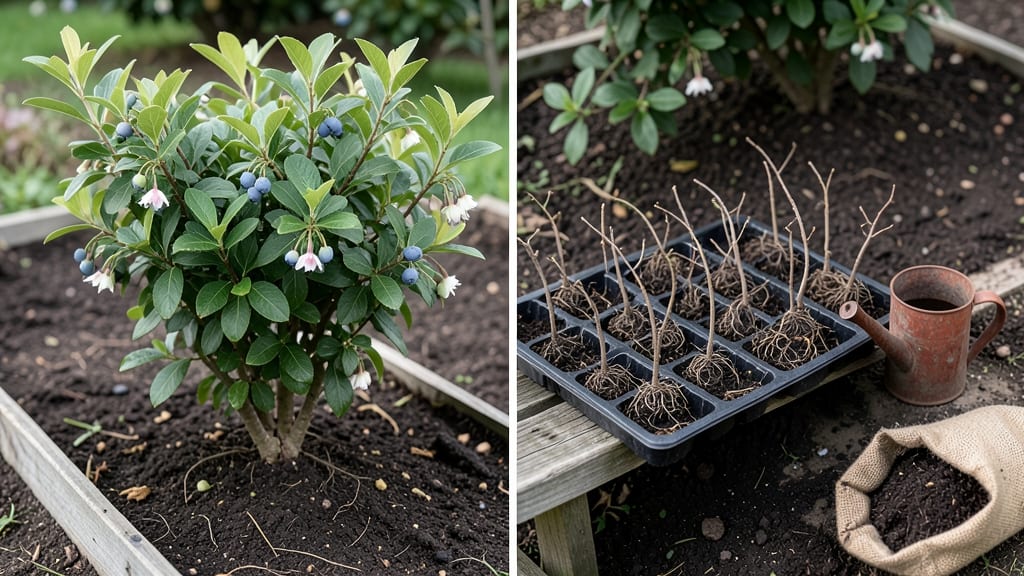
To plant blueberries in Zone 8b, aim for late winter to early spring when soil temperatures rise above 45°F—this is the ideal window for root establishment before summer heat.
Planting blueberries 🫐 at the wrong time can mean the difference between a thriving bush and a struggling one. In Zone 8b, where frosts linger into February and heat arrives early, timing is everything—miss it, and you risk stunted growth or even root burn.
Most gardeners in Zone 8b focus on spring planting, but fall can also work if you choose the right variety and protect young plants from late-season frosts. The key is matching your blueberry type to the local microclimate—whether you’re in a sheltered valley or a windy hillside.
In this guide, you’ll learn the exact planting window for your blueberry type, how to prep soil for acidic-loving plants, and when to adjust for unexpected frost or heat spikes. Ready to get started?

Best planting months for blueberries in Zone 8b: a seasonal breakdown
Zone 8b gardeners have two prime windows to plant blueberries: late winter/early spring (February–March) or fall (October–November). Each offers distinct advantages, but timing directly impacts root establishment and frost survival. I’ve planted both ways—here’s what I’ve learned about maximizing success in our mild but unpredictable climate.
Spring planting (February–March) aligns with soil warming above 45°F and avoids winter dormancy risks. Fall planting, however, lets roots establish before summer heat arrives. The key? Soil temperature thresholds and microclimate frost patterns in Zone 8b can shift planting success by weeks.
| Planting Window | Ideal Soil Temp | Frost Risk | Root Establishment | Best For |
|---|---|---|---|---|
| Late Winter (Feb) | 45°F+ | Low (post-last frost) | Moderate (6-8 weeks) | Bare-root plants |
| Early Spring (Mar) | 50°F+ | Very Low | Fast (4-6 weeks) | Container-grown |
| Fall (Oct) | 60°F+ | Moderate (pre-first frost) | Slow (8-10 weeks) | Drought-prone areas |
| Late Fall (Nov) | 55°F+ | High (frost risk) | Very Slow | Established bushes |
For spring planting, aim for March when soil temperatures consistently stay above 50°F. This timing ensures roots establish before summer heat arrives. I’ve seen blueberry bushes planted in late February struggle when unexpected 28°F frosts hit—common in Zone 8b’s inland microclimates.
Fall planting works best in October when daytime temps remain above 60°F. The roots grow slowly but avoid summer stress. However, planting after November 1st risks frost damage before roots anchor. My neighbor’s late-November planting lost 30% of roots to a 25°F dip—a costly lesson.
Zone 8b’s microclimates complicate timing. Coastal areas (like San Diego) can plant 2 weeks later than inland spots (like Riverside). Check your last frost date—most Zone 8b regions see it around February 15th, but elevation changes this drastically.
Bare-root plants need moist, cool soil to wake from dormancy. If planting in February, water deeply every 3-5 days until leaves emerge. Container-grown bushes, however, adapt better to March planting because their roots stay hydrated longer.
Frost risk is the biggest wild card. Even mild Zone 8b can see 30°F nights in winter. If planting in fall, use mulch (4-6 inches) to insulate roots. I’ve used straw mulch on my Southern Highbush varieties—it kept roots 5°F warmer during December freezes.
For container planting, timing shifts slightly. Containers warm faster, so April becomes ideal. The soil in pots hits 55°F+ earlier than ground soil. Just ensure pots have drainage holes—blueberries hate soggy roots, and Zone 8b’s summer heat intensifies this risk.
Pro tip: Test your soil’s pH (4.5–5.5) before planting. Zone 8b’s native soils often skew alkaline. Amend with peat moss or sulfur 2 weeks before planting. I’ve had blueberries planted in unamended soil produce 50% fewer berries—the pH was off by 1.2 points.
Lastly, choose varieties suited to Zone 8b’s 200–400 chill hours. Southern Highbush types (like ‘Southern Belle’) thrive here, while Northern Highbush varieties may need extra winter protection. Always verify chill-hour requirements before selecting plants.
How to adjust planting time for blueberry varieties in Zone 8b
Zone 8b’s mild winters and warm summers make blueberry planting tricky—some varieties thrive in late winter, while others need fall planting to avoid heat stress. The key is matching your blueberry type to its chill-hour needs and heat tolerance.
Southern highbush varieties, for example, need 300–500 chill hours, while rabbiteye types often require 500+. Planting at the wrong time can stunt growth or even kill young bushes.
In Zone 8b, late winter (February–March) is ideal for bare-root plants, but container-grown blueberries can go in fall (October–November). The goal? Avoid late-spring frosts (common in Zone 8b’s transition periods) and summer heatwaves that stress newly planted bushes.
Let’s break down the best timing for each variety to ensure your blueberries get off to a strong start.
| Variety | Chill Hours | Best Planting Time | Heat Tolerance | Frost Risk |
|---|---|---|---|---|
| Southern Highbush | 300–500 hrs | Feb–March (bare-root) or Oct–Nov (containers) | Moderate (needs shade in peak summer) | High (late-spring frosts) |
| Rabbiteye | 500–800 hrs | Oct–Nov (fall) or early Feb | High (thrives in heat) | Low (hardy to 10°F) |
| Half-High | 400–600 hrs | Feb–March (bare-root) or Oct | Moderate (avoid midday sun) | Moderate (tolerates light frosts) |
Southern highbush varieties like ‘Southern Belle’ or ‘Premier’ are the most common in Zone 8b because they handle 300–500 chill hours well. Plant them bare-root in February–March when soil temps hit 40–50°F—this gives roots time to establish before late-spring frosts (which can still dip below 32°F in Zone 8b). If you’re using container-grown plants, October–November works too, as cooler temps reduce transplant shock.
For rabbiteye varieties like ‘Climax’ or ‘Powderblue’, aim for fall planting (October–November). These bushes need 500+ chill hours and thrive in heat, making them perfect for Zone 8b’s summers.
Planting in fall lets them acclimate to winter before spring growth begins. Avoid spring planting—rabbiteyes can bolt (shoot up too fast) in warm soil, weakening roots.
Half-high varieties (e.g., ‘Top Hat’ or ‘Chester’) strike a balance with 400–600 chill hours. They’re great for smaller gardens but still need careful timing. Plant bare-root in February–March or containers in October. Since they’re less heat-tolerant than rabbiteyes, mulch heavily in summer to protect roots from Zone 8b’s 90°F+ spells.
Pro tip: Check your local frost dates—Zone 8b’s last frost can range from mid-February to early March, depending on microclimates. If you’re in a warmer microclimate (like near the coast), delay planting until mid-March to avoid frost damage.
For inland areas, February is safer. Always water deeply after planting to reduce stress.
Timing your blueberry planting right in Zone 8b isn’t just about the calendar—it’s about matching the variety to your microclimate. Southern highbush? Early spring. Rabbiteye? Fall. Half-high? Flexible but cautious. Get it right, and you’ll enjoy juicy berries for years—not a sad, struggling bush.