
Plants
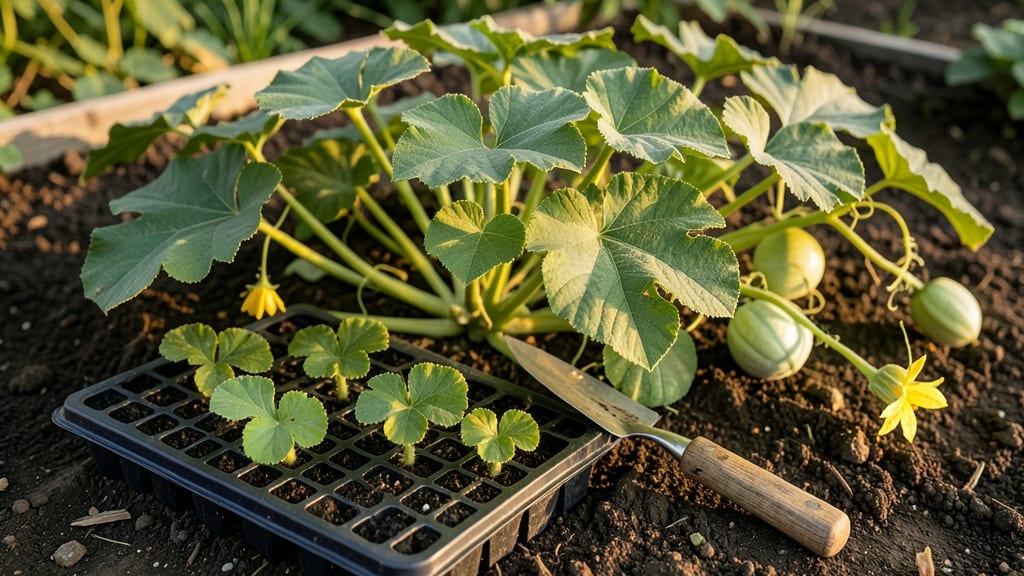
Plant cantaloupe in Zone 7 after the last frost when soil temperatures hit 70°F—typically late April to early May—because cold soil slows germination and weakens vines.
If you've ever watched your seedlings wilt under a late frost or struggled with stunted fruit, you know timing is everything. The difference between a thriving patch of 🍈 and a failed harvest often comes down to those few weeks in spring when the weather plays tricks.
Zone 7 gardeners face a tight window: plant too early, and frost will kill tender vines; too late, and the season shortens before melons ripen. The key is balancing soil warmth with frost-free dates, plus a few tricks to give your cantaloupe the head start it needs.
In this guide, I’ll walk you through the exact planting timeline for Zone 7, how to prep your soil for success, and even how to stretch the season for a second harvest—so you can enjoy sweet, vine-ripened cantaloupe from July through August.

Optimal planting dates for cantaloupe in Zone 7 based on soil temperature
Cantaloupe is a heat-loving plant that refuses to thrive in cold soil, which is why soil temperature is the single most critical factor for success in Zone 7.
Unlike frost-sensitive crops, cantaloupe seeds won't germinate until the soil reaches a consistent 70°F (21°C)—and even then, nighttime temperatures must stay above 55°F (13°C) for healthy growth.
In Zone 7, where last frost dates range from mid-April to early May, timing your planting window correctly can mean the difference between a thriving vine and a failed crop.
Most gardeners in Zone 7 wait until late April or early May to plant cantaloupe, but this timing varies slightly depending on whether you're using direct sowing or transplanting seedlings. Early varieties can handle slightly cooler conditions, while late-season types need the warmest soil possible.
Understanding these nuances ensures your cantaloupe gets the best possible start, avoiding common pitfalls like slow germination or weak vines.
Here’s a quick reference for your Zone 7 garden:
| Key Factor | Zone 7 Guideline | Actionable Tip |
|---|---|---|
| Soil Temperature | 70°F+ (21°C+) | Use a soil thermometer to confirm warmth before planting. |
| Last Frost Date | Mid-April to early May | Wait 2 weeks after last frost to plant for safety. |
| Direct Sowing Window | Late April to early June | Sow seeds every 2 weeks for staggered harvests. |
| Transplanting Window | Early May to mid-June | Hardy seedlings can tolerate slightly cooler soil. |
| Nighttime Temp Threshold | 55°F+ (13°C+) | Use row covers if nights dip below this. |
For direct sowing, aim to plant cantaloupe seeds in late April to early June. This staggered approach ensures you’ll have melons ripening throughout the summer, rather than all at once.
In Zone 7, where summers can be long, you can even push your last planting to mid-June for a late-season harvest, provided your soil stays warm and nighttime temperatures remain mild.
If you prefer transplanting seedlings, start with 4-6 week old plants and move them to the garden in early May. Seedlings can handle slightly cooler soil than seeds, but they still need warmth to establish roots quickly.
Choose a cloudy day or transplant in the late afternoon to reduce stress on the plants. Harden off seedlings for a week before transplanting by gradually exposing them to outdoor conditions.
In Zone 7a (colder sub-zone), where frosts can linger longer, delay planting until early May to avoid frost damage. Meanwhile, Zone 7b gardeners can start as early as late April. Always check your local frost-free date and adjust accordingly—cantaloupe is sensitive to cold snaps, even after germination.
To accelerate soil warming, use black plastic mulch or clear plastic tunnels. These methods can raise soil temperatures by 5-10°F, helping seeds germinate faster. If your soil is still too cool, consider starting seeds indoors 2-3 weeks before transplanting.
Just be sure to use biodegradable pots to avoid disturbing roots when moving them outside.
One common mistake is planting cantaloupe too early in hopes of an earlier harvest. Cold soil stunts growth, leading to weak vines and poor fruit set. Instead, focus on creating the ideal conditions: warm soil, full sun, and consistent moisture.
With the right timing, you’ll enjoy cantaloupe harvests from July through September in Zone 7.
Pro tip: Plant cantaloupe near bush beans or corn for natural trellising support, but avoid planting near cucumbers or squash to prevent disease spread. With these timing guidelines, your cantaloupe will thrive and reward you with sweet, juicy fruit all summer long. 🍈
Step-by-step guide to preparing your Zone 7 garden for cantaloupe success
Cantaloupes love warmth, and in Zone 7, your garden needs extra prep to give these vines the perfect start. Cold soil and early frosts can stunt growth, so let’s focus on creating an ideal environment for your melons.
The key is warming soil, well-draining beds, and smart spacing to prevent disease and maximize fruit production.
Start by testing your soil temperature—cantaloupes won’t germinate well below 70°F. If your soil is still cool in early spring, use black plastic mulch or clear row covers to absorb heat.
This simple trick can raise soil temps by 5-10°F, speeding up germination and giving your plants a head start.
- 1
- 2
- 3
- 4
- 5
- 6
Once your soil is warm and your planting hills are ready, it’s time to sow seeds. Cantaloupes grow best from seeds, not transplants, so plant 2-3 seeds per hill and thin to the strongest vine.
Space hills 4-5 feet apart to give vines room to sprawl—overcrowding leads to poor air circulation and more pests.
After planting, mulch around the base with straw or grass clippings to retain moisture and suppress weeds. This is especially important in Zone 7’s hot summers, where soil can dry out quickly. Just keep the mulch 2-3 inches away from stems to prevent rot.
Finally, monitor for cucumber beetles and squash vine borers, common pests in cantaloupe patches. Handpick beetles early in the day or use row covers until flowers appear. With the right prep, your cantaloupes will thrive and reward you with sweet, ripe fruit by mid-summer.