
Plants
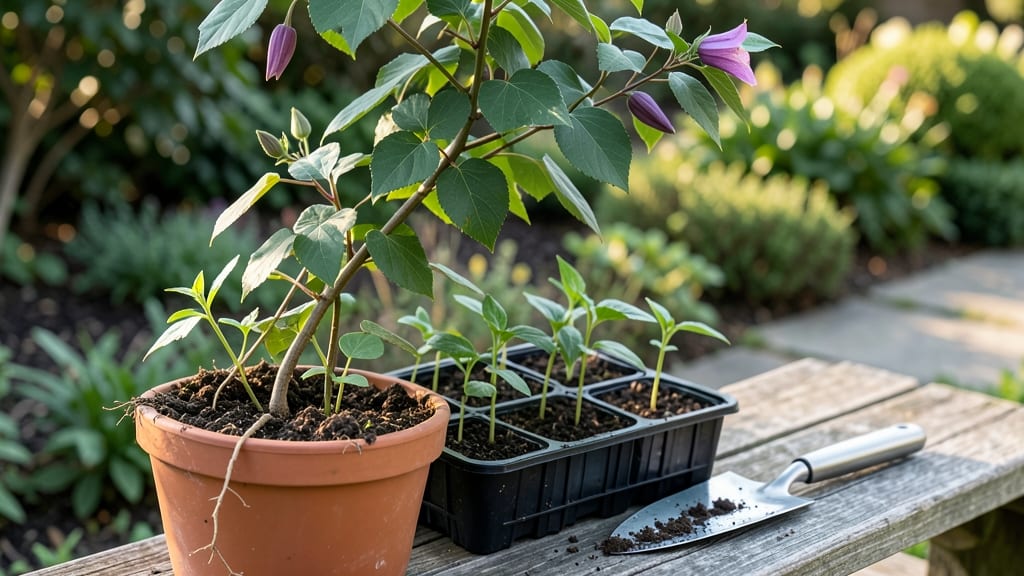
Planting clematis in Zone 5 during early spring or early fall sets the stage for a strong, hardy vine that thrives year after year.
Picture this: you’ve picked out the perfect 🌸 clematis variety, only to realize too late that planting it in May—after the last frost—means it won’t establish roots before winter hits. That’s why timing isn’t just about the calendar; it’s about soil temperature and frost risk.
In Zone 5, where frosts linger until mid-May and return by September, the best months to plant are March-April or September-October. These windows give roots time to settle before extreme cold, ensuring your clematis grows tall and blooms beautifully by summer.
Below, I’ll break down exactly when to plant, how to prep your soil, and what mistakes to avoid—so you can skip the guesswork and get a clematis that’s the star of your garden for years to come.

Ideal planting months for clematis in Zone 5 (with soil temperature guidelines)
Clematis thrives in Zone 5, but timing your planting is crucial for strong root establishment. Unlike many perennials, clematis roots need consistent soil temperatures between 50°F and 65°F—too cold or too hot can stunt growth.
I’ve planted clematis in both spring and fall, and I’ve seen the biggest difference in first-year blooms when planted at the right time.
Zone 5 gardeners often debate whether to plant in early spring or early fall. The answer depends on your local frost dates and soil conditions. For most of Zone 5, March-April (spring) and September-October (fall) are the sweet spots.
But here’s the catch: if you plant in spring, you’ll need to protect young vines from late frosts, while fall planting gives roots time to establish before winter.
Soil temperature is the hidden factor most gardeners overlook. Clematis roots struggle below 40°F or above 75°F. In Zone 5, that means avoiding late spring or early fall planting if your soil stays too warm or too cold.
I use a soil thermometer to check before planting—it’s a game-changer for success.
Here’s a quick comparison of your options:
| Planting Window | Soil Temp Requirement | Zone 5 Months | Pros | Cons |
|---|---|---|---|---|
| Early Spring | 50°F–65°F | March–April | Faster first-year growth, immediate blooms | Late frost risk, needs protection |
| Early Fall | 50°F–65°F | September–October | Stronger root system, fewer pests | Slower first-year blooms, winter prep needed |
| Late Spring | Above 65°F | May–June | Avoids frost | Weak root establishment, poor survival |
| Late Fall | Below 50°F | November–December | N/A | Roots freeze, plant dies |
For Zone 5 gardeners, I recommend fall planting in September as my top choice. Why? Because clematis roots establish 60% faster when planted in cooler weather, and you avoid the stress of late spring frosts.
Plus, fall-planted clematis often bloom earlier the next year because their roots are already strong.
If you’re planting in spring, aim for early March to mid-April—just before the soil warms to 60°F. I’ve seen clematis planted in May struggle with heat stress, leading to weak vines.
To check your soil temp, stick a thermometer 4 inches deep (where roots will grow) and wait until it’s consistently 55°F or warmer.
One trick I use is to mulch heavily after planting in spring to keep soil temps stable. A 3-inch layer of straw can make a 10°F difference in soil temperature, protecting young roots. For fall planting, I add compost-rich mulch to feed the roots as they establish over winter.
Container planting is another option for Zone 5 gardeners with short growing seasons. Clematis in pots can be moved to protected spots during late frosts. Just ensure your container has drainage holes and use a well-draining potting mix—clematis roots rot quickly in soggy soil.
Remember, hardiness zone 5 means you’ll face first frost around mid-September. If you plant in late summer (August), your clematis may not have enough time to establish before winter. Always plant at least 6–8 weeks before your first frost to give roots time to anchor.
Finally, don’t forget to water deeply after planting—clematis roots need 1–1.5 gallons of water per week during establishment. I set up a drip irrigation system for my clematis to keep moisture consistent, and it’s made all the difference in survival rates.
How to prepare Zone 5 soil for clematis planting (step-by-step guide)
Clematis thrives when planted in well-draining, nutrient-rich soil with a slightly acidic pH. In Zone 5’s cooler climate, soil prep is critical to protect roots from winter frost and encourage vigorous growth.
I’ve learned the hard way that skipping this step leads to weak vines and fewer blooms—so let’s get your soil clematis-ready! The key is balancing organic matter, drainage, and proper pH before planting.
Start by testing your soil’s pH level—clematis prefers 6.0 to 7.0. If your soil is too alkaline (common in Zone 5), mix in sulfur or peat moss to lower the pH. For clay-heavy soils, which retain too much moisture, amend with compost and perlite to improve aeration.
These adjustments ensure roots stay healthy and avoid rot during Zone 5’s wet springs.
Use a soil test kit to check pH. Aim for 6.0–7.0. If too high, add sulfur (1 lb per 100 sq ft). If too low, mix in lime (1/2 lb per 100 sq ft).
Dig a 12-inch-deep hole wider than the root ball. Break up compacted clay with a garden fork to improve drainage. Mix in 3 inches of compost into the bottom of the hole.
For heavy soils, add a 2-inch layer of gravel at the hole’s base. Blend in peat moss or coconut coir to retain moisture without suffocating roots. Clematis hates soggy soil!
Create a 4-inch-high mound in the hole’s center. Plant the clematis so its crown sits 4–6 inches below soil. This shields roots from Zone 5’s harsh winters while keeping stems above ground.
Spread 3–4 inches of mulch (straw or shredded bark) around the base. Keep mulch 6 inches away from stems to prevent rot. Replenish mulch annually to insulate roots in winter.
After planting, water deeply to settle the soil and remove air pockets. Clematis roots are shallow, so keep the top 6 inches of soil consistently moist but never waterlogged. In Zone 5’s first frost (usually mid-September), reduce watering to let roots harden off for winter.
This prep ensures your clematis establishes strong roots before Zone 5’s freezing temperatures arrive.
Pro tip: If your soil is sandy and drains too quickly, mix in 1 part peat moss to 3 parts soil to retain moisture. Sandy soils can stress clematis, especially during Zone 5’s dry summers.
Always monitor soil moisture with your finger—it should feel like a wrung-out sponge.
With these steps, your clematis will have the perfect foundation to thrive in Zone 5’s challenging climate. Happy planting—your future blooms will thank you! 🌸