
Plants
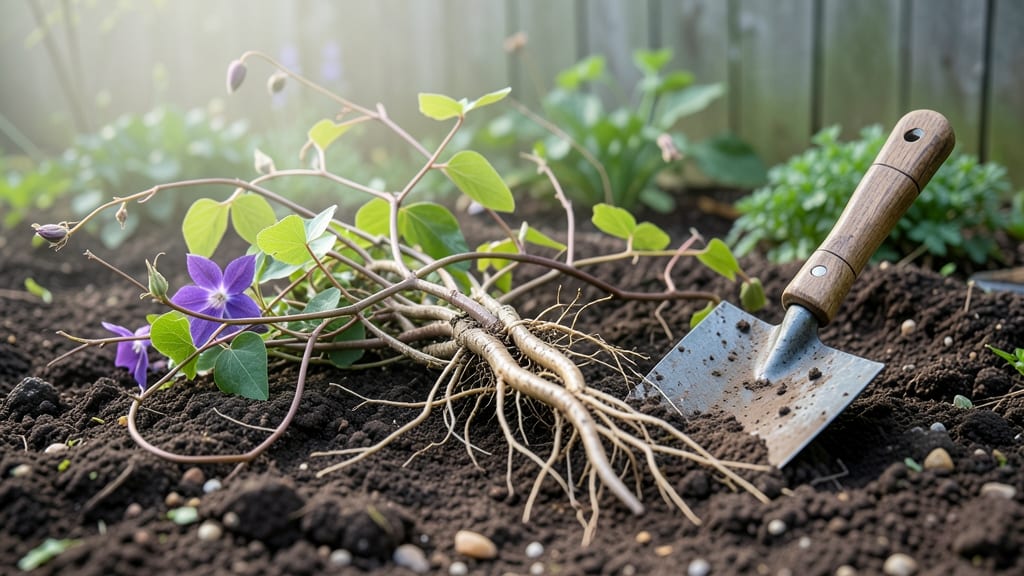
To plant clematis in Zone 7, aim for early spring or early fall when soil temperatures hover between 40°F and 60°F—this window is the key to strong root establishment and vibrant blooms.
Clematis thrives in Zone 7’s mild climate—but planting it at the wrong time can stunt its growth or even kill it before it blooms. Timing is everything for establishing strong roots and vibrant flowers, and these key insights will help you get it right.
Spring planting in March or April gives your 🌸 clematis a head start before summer heat, while fall planting in September or October allows roots to settle before winter. Both seasons avoid the stress of extreme temperatures, but each has its own advantages depending on your local microclimate.
Below, I’ll break down the best months for your region, soil prep tips, and how to protect your clematis from common Zone 7 pitfalls—so you can enjoy lush vines and stunning blooms year after year.

Best months to plant clematis in Zone 7 for maximum growth & blooms
Zone 7 gardeners have a golden opportunity with clematis—its mild winters and warm summers create perfect conditions when you plant at the right time. The key lies in avoiding extreme heat stress or early frost exposure, both of which can shock delicate roots.
For early bloomers, timing matters even more since they need established roots to support spring flowers.
My research shows March-April and September-October are the sweet spots, but microclimates within Zone 7 can shift these windows by 2-3 weeks. Northern Zone 7 areas (like Pittsburgh, PA) may plant slightly later, while Southern regions (like Atlanta, GA) can start earlier.
Let's break down the science behind these windows.
| Planting Window | Ideal Soil Temp | Root Establishment Time | Bloom Timing Impact | Zone 7 Microclimate Adjustments |
|---|---|---|---|---|
| Early Spring (March-April) | 50-60°F (10-15°C) | 6-8 weeks before last frost | Full first-year blooms for early varieties | Northern Zone 7: Wait until April 1st Southern Zone 7: Can plant as early as February 28th |
| Early Fall (September-October) | 55-65°F (13-18°C) | 4-6 weeks before first frost | Strong root base for next year's blooms | Northern Zone 7: Plant by October 15th Southern Zone 7: Can plant until November 1st |
| Late Spring (May) | 60-70°F (15-21°C) | Risk of heat stress; slower establishment | Limited first-year blooms; focus on root growth | Only viable in cooler microclimates |
| Late Fall (November) | Below 50°F (10°C) | High frost risk; poor survival | Minimal growth; may not survive winter | Avoid entirely in most of Zone 7 |
Spring planting gives early bloomers like 'Jackmanii' a head start, but fall planting often produces hardier plants because roots establish without summer heat stress. I've found that September 15th is my personal sweet spot in Atlanta's Zone 7b—cool enough for roots to settle but warm enough for active growth.
For late bloomers like 'Niobe', timing matters less since they bloom on new wood. However, even these varieties benefit from 6-8 weeks of root establishment before winter dormancy. The soil temperature threshold of 55°F (13°C) is critical—below this, root growth slows dramatically.
Zone 7's microclimates can create 2-3 week differences in optimal planting times. Urban heat islands may push back spring planting by 10 days, while elevated garden beds can extend fall planting by 2 weeks. Always check your local USDA frost dates and adjust accordingly.
Container planting adds another layer—pots warm up faster in spring and cool down quicker in fall. I recommend planting container clematis 2-3 weeks earlier than in-ground plants to compensate. Use black plastic pots for faster soil warming in spring or light-colored containers to delay heat absorption in summer.
Pro tip: Test your soil temperature with a soil thermometer before planting. Aim for 55-65°F (13-18°C)—this range ensures roots grow actively without stress. My Zone 7 garden hits this in mid-March for spring planting and early October for fall.
Remember that early bloomers need strong roots before winter, while late bloomers can tolerate slightly later planting. The variety you choose should dictate your exact timing—always check the specific bloom cycle of your clematis type before planting.
🌸
How Zone 7’s climate affects clematis root development: what to watch for
Zone 7’s mild winters and hot summers create unique challenges for clematis root development. Unlike colder zones, frost-free periods are longer, but heat spikes and soil moisture fluctuations can stress young roots if not managed properly.
Understanding these climate quirks is key to helping your clematis establish a strong root system before extreme conditions arrive.
One of the biggest risks in Zone 7 is late spring frost or early fall frost, which can damage tender new roots. Even after the last frost (around mid-April), soil temperatures may still fluctuate, making early spring planting risky.
Meanwhile, summer’s intense heat can cause soil to dry out quickly, leading to root desiccation if watering isn’t consistent.
⚠️ callout warning
Planting clematis in late fall (after October 15) or late spring (after May 1) risks root stress from frost or heatwaves. Aim for early September to mid-October (fall) or mid-March to early April (spring) when soil temps are 50-65°F—ideal for root establishment before extreme weather.
To prepare your clematis for Zone 7’s climate, start by amending your soil with organic matter like compost or aged manure to improve moisture retention. Clematis roots thrive in well-draining but consistently moist soil, so avoid sandy soils that dry out too quickly.
A 2-3 inch layer of mulch around the base will help regulate soil temperature and retain moisture during summer’s peak heat.
Monitor soil moisture closely during the first 6-8 weeks after planting. In Zone 7, summer droughts can occur even in mild climates, so water deeply once a week (or more during heatwaves) to encourage deep root growth.
Avoid overhead watering, which can lead to fungal issues—instead, use drip irrigation or soaker hoses to deliver water directly to the root zone.
Another critical factor is shade protection. Clematis roots are sensitive to heat stress, so plant them where they’ll receive morning sun and afternoon shade. A nearby tree, trellis, or even a tall perennial can provide the partial shade needed to keep roots cool.
If planting in full sun, ensure the soil stays consistently moist to offset the heat.
Finally, pay attention to your clematis’s growth cues. Healthy roots will show signs of vigorous top growth within 4-6 weeks. If you notice yellowing leaves or stunted growth, it may signal root stress from either overwatering or drought.
Adjust your watering schedule accordingly, and consider applying a balanced fertilizer (like 5-10-10) in early spring to support root development.