
Planting
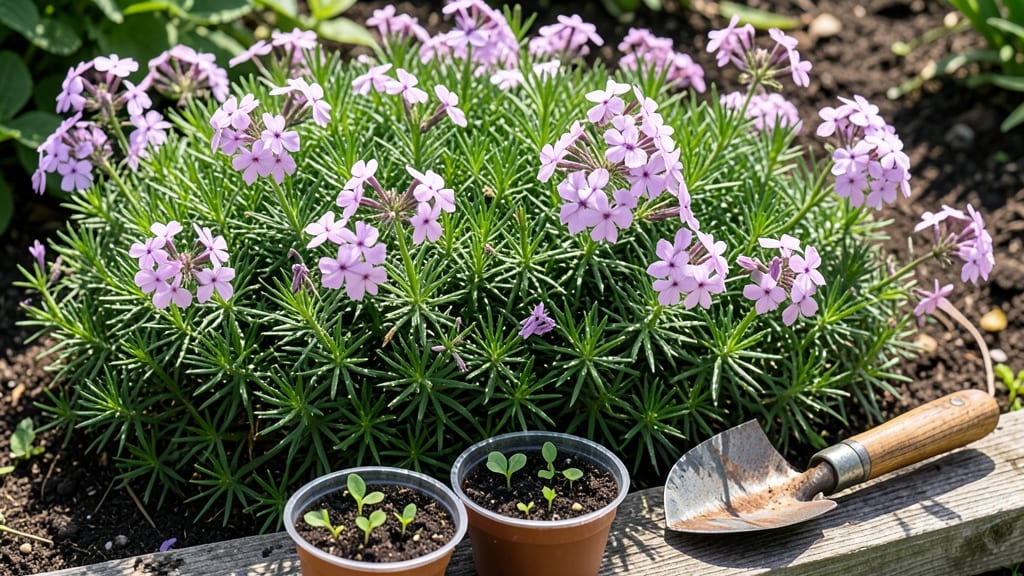
To plant creeping phlox in Zone 7 at the perfect time ensures vibrant spring blooms that transform your garden into a 🌸 carpet of color.
Timing is everything when planting creeping phlox in Zone 7—get it wrong, and your garden could miss the stunning spring carpet of blooms you crave. Whether you’re a seasoned gardener or just starting, knowing the exact window for planting makes all the difference.
Creeping phlox thrives in Zone 7 when planted either in early to mid-autumn or early spring, giving it time to establish strong roots before the heat or cold sets in.
The key is avoiding the harshest weather extremes, whether that’s the first frost in November or the last one in March.
Below, I’ll break down the ideal planting windows, soil prep tips, and how to tell if your timing is just right for a show-stopping display next spring.

Optimal planting windows for creeping phlox in Zone 7: fall vs spring
Deciding when to plant creeping phlox in Zone 7 can make or break your spring blooms. This hardy perennial thrives when planted during two key windows: early fall or early spring.
Each offers distinct advantages, but fall planting often gives your phlox a head start for next year's vibrant display. Let's break down the best times and why timing matters so much.
In Zone 7, your average first frost arrives around November 15, while the last frost typically occurs by March 15. These dates create a 6-week window for spring planting and a 4-6 week window in fall before winter sets in.
Understanding these thresholds helps you avoid planting too early (when soil is still warm) or too late (when frost threatens young roots).
Soil temperature is your best guide. For spring planting, aim for 50-60°F soil—cool enough to prevent stress but warm enough for root establishment. In fall, plant when soil temps drop to 60-65°F, giving roots time to grow before winter dormancy. A soil thermometer is your secret weapon for perfect timing.
Here's how the two planting windows compare for creeping phlox in Zone 7, including key factors like root establishment, frost protection, and bloom timing:
Fall planting often yields superior results for creeping phlox because cooler temperatures reduce stress on young plants. When you plant in October or early November, roots have 6-8 weeks to establish before winter dormancy.
This head start means your phlox will emerge stronger in spring, producing 2-3 weeks earlier and more abundant blooms.
For spring planting, focus on February through mid-March in Zone 7. This timing ensures your phlox has enough time to root before summer heat arrives.
If you plant too late (after March 15), your plants may struggle with heat stress and drought conditions, leading to weaker growth and fewer flowers.
Pro tip: If you're planting in spring, choose smaller nursery plants (1-2 inches tall) rather than larger ones. Smaller plants have less foliage to support and establish roots more quickly. For fall planting, opt for 2-3 inch plants to give them enough size to weather winter.
Don't forget to mulch heavily after planting—whether in fall or spring. A 3-inch layer of mulch (like shredded bark or pine straw) protects roots from temperature swings and retains moisture.
In fall, mulch also helps insulate roots during winter freezes. In spring, it keeps soil cool and moist as your phlox wakes up from dormancy.
One common mistake is planting creeping phlox too deep. These shallow-rooted perennials thrive when their crowns sit just 1/4 inch below soil level. Planting too deep can suffocate the crown, leading to rot or poor growth. Always check the planting depth before covering your new phlox with soil.
Whether you choose fall or spring, the key is acting before your Zone 7 climate shifts dramatically. Fall planting gives you the edge for next year's blooms, while spring planting delivers quicker color.
Whichever you choose, your creeping phlox will reward you with a vibrant spring carpet of color if you time it right. 🌸
Zone 7 creeping phlox planting calendar: exact dates by region
Creeping phlox thrives in Zone 7, but exact planting dates vary dramatically across sub-regions like Northern Virginia, Central Texas, or Southern California. Missing these windows can delay blooms or stress your plants. Here’s your region-specific calendar to maximize spring color.
Fall planting is ideal for Zone 7 because cooler temps reduce transplant shock, while spring planting gives plants time to establish before summer heat. Coastal areas may have earlier deadlines due to milder winters, while inland zones face stricter frost risks.
| Region | Fall Planting Window | Spring Planting Window | Post-Bloom Care Deadline |
|---|---|---|---|
| Northern VA (Zone 7a) | September 15–October 15 | March 1–March 15 | June 1 (deadhead) |
| Central TX (Zone 7b) | October 1–November 1 | February 15–March 1 | May 15 (prune) |
| Southern CA (Zone 7b) | November 1–December 15 | January 15–February 1 | April 1 (trim) |
| Tennessee Valley (Zone 7a) | September 20–October 10 | March 10–March 25 | June 10 (clean up) |
For fall planting, aim to finish 6 weeks before first frost—this gives roots time to establish. In Northern Virginia, that’s by October 15, while Central Texas can stretch until November 1. Use well-draining soil and mulch heavily to protect roots from winter fluctuations.
Spring planting should occur 4–6 weeks before last frost. In Southern California, start as early as January 15 to avoid summer heat stress, whereas Tennessee Valley gardeners should wait until March 10. Always amend soil with compost and water deeply after transplanting.
After blooms fade, deadhead spent flowers by June 1 in cooler regions to encourage reblooming. In Central Texas, prune back 1/3 of growth by May 15 to prevent legginess. Avoid heavy pruning—creeping phlox blooms on old wood, so aggressive cuts reduce next year’s flowers.
Pro tip: Mark your planting dates on a garden calendar and set reminders for post-bloom care. A well-timed schedule turns creeping phlox from a one-season star into a year-round garden workhorse with minimal effort. 🌸