
Plants
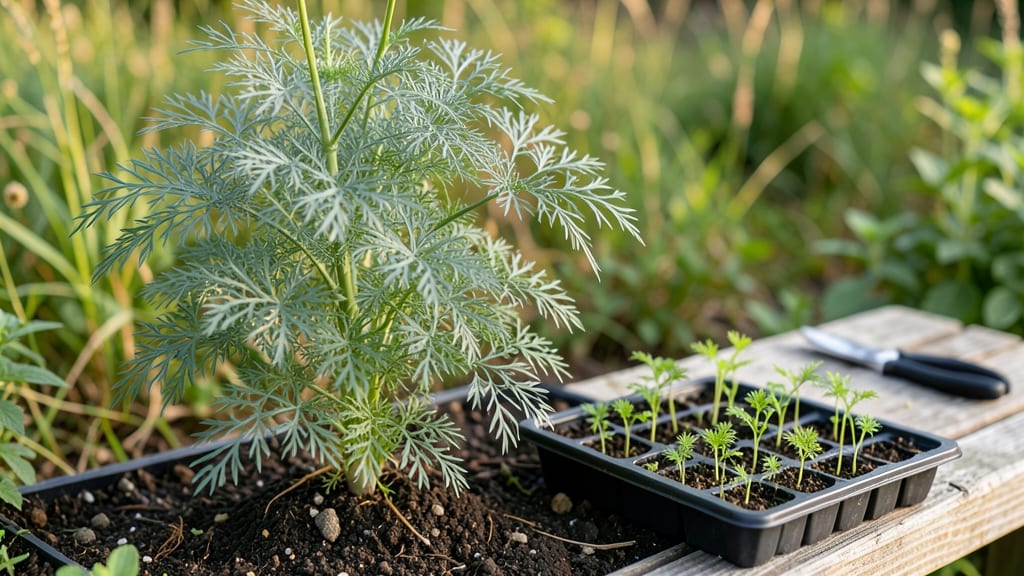
Best months to plant dill in Zone 9 for maximum yield
Zone 9 gardeners have a unique advantage—no frost to worry about—but that doesn’t mean dill can be planted anytime. Timing matters because dill bolts (goes to seed) quickly in heat. The ideal window is February through April, when temperatures stay mild and soil warms gradually.
Planting too early risks slow germination in cool soil, while late plantings often bolt before harvest.
Coastal areas like San Diego or Santa Barbara can push plantings slightly later (March–May) thanks to cooler ocean breezes. Inland desert regions like Phoenix or Las Vegas should plant earlier (February) to avoid 100°F+ heat, which stresses young seedlings.
Microclimates make all the difference—even a 5-mile elevation change can shift your optimal window by weeks.
Soil temperature is your best guide: aim for 50–70°F at planting. Use a soil thermometer to check—if it’s below 50°F, wait. Heat-tolerant varieties like ‘Fernleaf’ or ‘Bouquet’ handle Zone 9’s heat better than standard dill, but they still need cool starts. For fall planting, try late September–October in cooler inland areas, but coastal zones rarely need this.
For succession planting, sow seeds every 2–3 weeks from February through April. This ensures a continuous harvest instead of one big bolting batch. Direct-sow seeds ¼ inch deep—dill hates transplanting. Space plants 12–18 inches apart to prevent crowding, which speeds up bolting.
If you’re in a hot inland valley, use shade cloth (30–50%) during peak afternoon sun to buy time before bolting.
Cold-hardy alternatives like ‘Dill ‘Mammoth’ tolerate cooler Zone 9 nights (below 55°F) better than standard varieties. If you’re in elevated areas (e.g., Flagstaff’s fringe), you can even plant as early as January. Monitor nighttime temps—if they dip below 40°F, protect seedlings with row covers or move pots indoors temporarily.
Pro tip: Soak seeds overnight before planting to speed germination in Zone 9’s dry soil.
Add compost or aged manure to planting holes for a nutrient boost, but avoid fresh manure, which can burn tender seedlings. Mulch with straw to retain moisture and keep roots cool—this is critical in summer plantings.
Watch for bolting signs: tall stems with yellow flowers mean it’s too late for leaf harvest. Harvest leaves when plants are 6–12 inches tall for the best flavor. If you miss this window, let seeds form for dill seed harvest
How to extend your dill harvest in Zone 9’s hot climate
Zone 9’s relentless sun can turn your dill from lush and flavorful to bitter and bolted in weeks. The key to a continuous harvest? Strategic planting and heat management.
By staggering your plantings and providing shade during peak heat, you can enjoy fresh dill from spring through fall—not just a single, disappointing flush of growth.
First, focus on succession planting. Instead of sowing all your seeds at once, space them out every 2-3 weeks from February through May. This ensures you always have young, tender plants ready for harvest while older plants mature.
For example, start your first batch in late February, then follow with new seeds in March, April, and early May.
- 1. Plant in stages: Sow seeds every 2-3 weeks from February to May for continuous growth.
- 2. Use shade cloth: Provide 30-50% shade during 11 AM–3 PM in summer to prevent bolting.
- 3. Water deeply: Soak soil 1-2 inches every 2-3 days in heat; morning watering reduces fungal risk.
- 4. Mulch heavily: Apply 2-3 inches of mulch to retain moisture and cool roots.
- 5. Harvest often: Trim leaves regularly to encourage bushier, slower-bolting growth.
- 6. Choose heat-tolerant varieties: Opt for ‘Bouquet’ or ‘Fernleaf’ dill, which handle heat better.
Heat isn’t the only challenge in Zone 9—humidity and fungal diseases can also derail your harvest. To combat this, water your dill early in the morning to let foliage dry quickly.
Avoid overhead watering, and consider drip irrigation to keep leaves dry. If you notice powdery mildew (white, dusty spots), prune affected leaves immediately and space plants 12-18 inches apart for better airflow.
Another game-changer is partial shade. In June and July, when temperatures exceed 90°F, use a lightweight shade cloth (30-50% shade) to protect your plants.
You can also plant dill near taller crops like tomatoes or peppers, which provide natural shade during the hottest part of the day. Just ensure your dill still gets at least 4-6 hours of direct sun daily to prevent leggy growth.
Don’t forget to harvest strategically. Pinch off flower buds as soon as they appear to redirect the plant’s energy into leaf production. For a steady supply, harvest outer leaves first, leaving the inner growth intact.
This method encourages bushier, slower-bolting plants and gives you fresh dill for weeks longer than if you let it flower.
With these techniques, you’ll enjoy bold, flavorful dill from spring through early fall, even in Zone 9’s brutal heat. The secret? Stay ahead of the heat with smart planting, shade, and consistent care—your taste buds (and pickles) will thank you! 🌿