
Planting
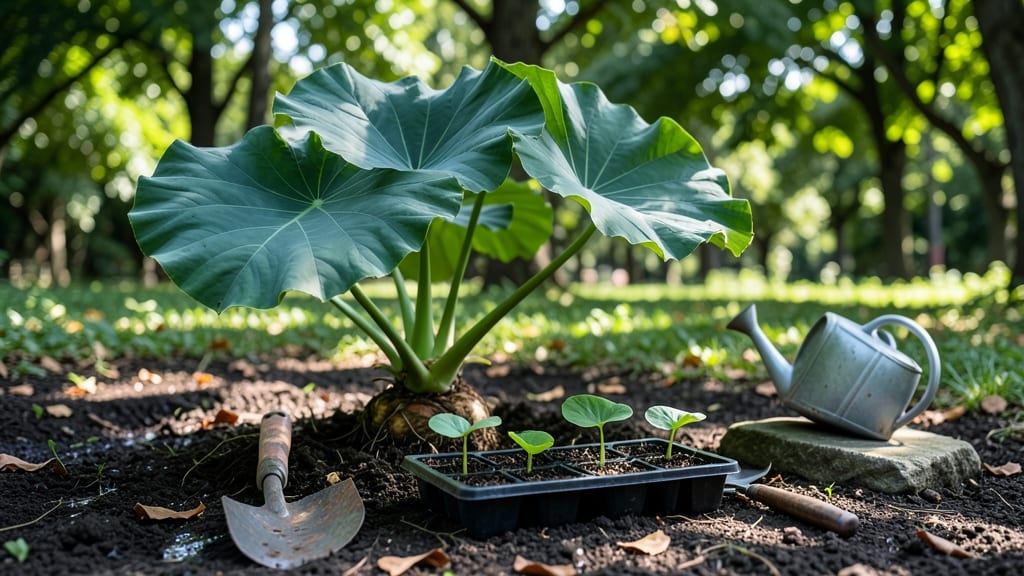
Planting elephant ear bulbs in Zone 7 after the last frost date ensures those stunning tropical leaves take hold before summer heat arrives.
If you’ve ever watched your elephant ear 🌿 wilt in the heat because you planted too early—or worse, rot because you waited too long—you know timing is everything.
In Zone 7, the sweet spot is 2–4 weeks after your average last frost date (usually mid-April), when soil temperatures hit at least 60°F. Planting too soon risks frost damage, while waiting too late can leave your garden missing out on peak summer drama.
Below, I’ll break down the exact window, soil prep secrets, and how to adjust for your microclimate—so your elephant ear thrives from first leaf to final bloom.

Ideal planting timeline for elephant ear bulbs in Zone 7
Timing is everything when planting elephant ear bulbs (Colocasia) in Zone 7. These tropical beauties demand precise conditions to thrive, and planting too early or late can stunt their growth or even kill them before summer's peak.
The key lies in balancing soil temperatures, frost dates, and your specific microclimate's quirks.
In Zone 7, the last average frost date typically falls around April 15, but your exact window depends on local variations. For example, areas like Atlanta may see frost as late as April 30, while Raleigh often warms up by April 1.
Always check your local USDA frost map or plant after your region's confirmed last frost.
Here's the science behind the timing: Elephant ears need soil temperatures above 60°F to sprout successfully. Cold soil slows germination and invites rot. In Zone 7, this usually aligns with late April to early May, but summer planting (June-July) works too for late varieties if you're extending your season.
| Planting Window | Soil Temp Requirement | Zone 7 Timing | Best For |
|---|---|---|---|
| Spring Planting | 60°F+ | Late April–May 15 | Early varieties |
| Summer Planting | 65°F+ | June–July | Late varieties |
| Extended Season | 60°F+ | September (with protection) | Container plants |
| Avoid | Below 55°F | Before April 1 or after July 31 | All varieties |
For spring planting, aim to get bulbs in the ground 2–4 weeks after your last frost. This gives roots time to establish before summer heat arrives. For example, if your frost date is April 15, plant between May 1–15.
Use a soil thermometer to confirm temperatures—wait until they consistently read 60°F+ at 4-inch depth.
If you missed spring, don't despair! Summer planting (June–July) works beautifully for heat-tolerant varieties like 'Illustrious' or 'Black Magic'. These bulbs thrive in 70–80°F soil, which aligns with Zone 7's peak summer. Just ensure they get consistent moisture during establishment, as summer heat dries soil faster.
Pro tip: Adjust for microclimates. Urban areas with heat islands (like Dallas) may warm up faster, while rural spots (like Lexington) might stay cooler. Observe nearby plants—when daylilies or canna lilies start blooming, it's often safe to plant elephant ears.
For container growing, you can push the envelope slightly. Plant 4–6 weeks after last frost (around May 15–June 1) since pots warm up faster. Just move containers to sheltered spots if nighttime temps dip below 50°F. This strategy lets you enjoy earlier foliage without risking frost damage.
One common mistake is planting too early in hopes of a longer season. Cold soil causes bulbs to rot before sprouting. Conversely, planting too late (after July 31) may result in stunted growth before frost. Balance is key—aim for early summer for the best compromise.
Remember, Zone 7's first frost typically arrives around October 15, but elephant ears won't survive below 32°F. If you're growing tender varieties, plan to dig and store tubers before frost or use row covers for a few extra weeks of color.
For maximum impact, align your planting with your garden's peak summer heat. In Zone 7, this usually means late May to early June—just as the sun intensifies and humidity rises. Your elephant ears will reward you with bold, glossy leaves that dominate the landscape until frost.
How to prepare elephant ear bulbs for Zone 7 planting success
Before you plant your elephant ear bulbs in Zone 7, proper preparation is key to avoiding common pitfalls like rotting tubers or stunted growth.
These tropical plants thrive when given the right start, and a few simple steps can make all the difference between a lush summer display and disappointment.
Start by selecting healthy bulbs with firm, unblemished skin and no signs of mold or soft spots. Elephant ear tubers should feel heavy for their size, indicating they’re well-hydrated and ready for planting.
If you’ve stored them in a dry place, they may need a quick soaking treatment to rehydrate before planting.
⚠️ callout warning
Zone 7’s spring soil temperatures can fluctuate wildly, especially after the last frost (around April 15). Planting elephant ear bulbs before soil reaches 60°F causes them to rot. Use a soil thermometer to confirm readiness—wait until daytime temps consistently stay above 65°F.
Pro Tip: If your soil is compacted clay (common in Zone 7), amend it with organic compost or sand to improve drainage before planting.
Next, decide whether you’ll plant in-ground or in containers. In-ground planting works best in well-draining soil with partial shade to protect leaves from scorching. For containers, use a mix of potting soil, perlite, and compost to mimic tropical conditions.
Plant bulbs 2–3 inches deep, spacing them 3–4 feet apart to allow for their massive foliage.
For an extra boost, soak your bulbs in lukewarm water for 12–24 hours before planting. This rehydrates the tubers and kickstarts root growth. After planting, water thoroughly and apply a 2-inch layer of mulch to retain moisture and regulate soil temperature—a critical step in Zone 7’s humid summers.
If your garden has high humidity or poor airflow, consider spacing plants farther apart to prevent fungal diseases like leaf spot. Prune any damaged leaves immediately and avoid overhead watering to keep foliage dry.
With the right prep, your elephant ears will reward you with dramatic, glossy leaves all season long.
Remember, Zone 7’s late summer heat can stress these tropical plants, so monitor soil moisture closely. A drip irrigation system or consistent hand-watering keeps roots happy without over-saturating the soil. With these steps, your elephant ears will thrive from May through October.