
Plants
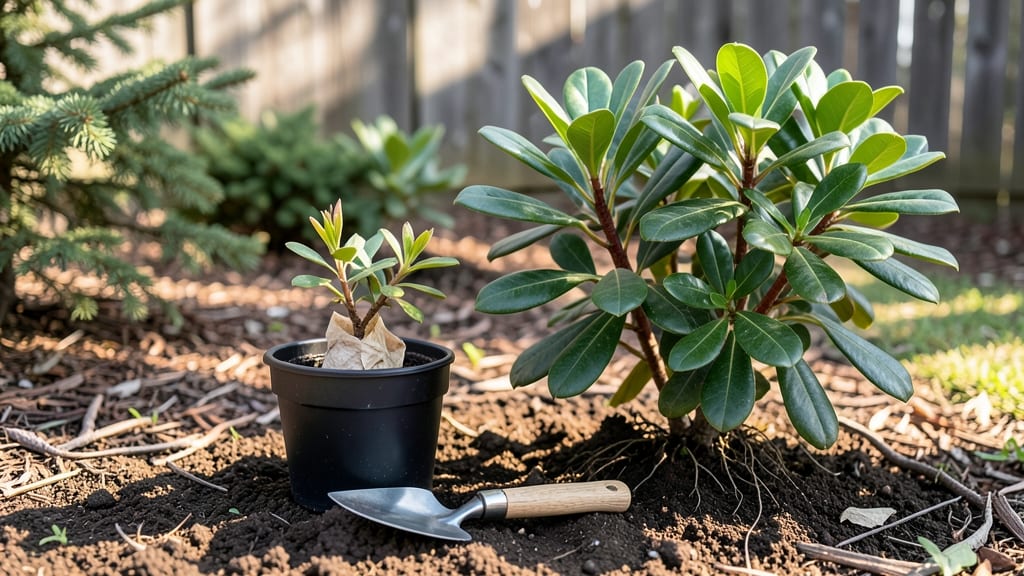
Planting evergreens in Zone 6 at the right time means they’ll survive winter and thrive for decades—so timing is everything.
Miss the window, and your 🌲 could struggle through the first frost, or worse, fail to take root before the ground freezes. But with Zone 6’s 165 frost-free days, there’s actually a two-season sweet spot: fall and early spring.
Fall planting (September–October) lets roots establish before winter, while spring (March–April) avoids transplant shock as temperatures warm. I’ll break down the best months, soil prep tricks, and how to pick the right evergreen for your microclimate—so you can skip the guesswork and get it right the first time.
Whether you’re working with bare-root, containerized, or balled-and-burlapped plants, these timing tips will help your evergreens grow strong, no matter what Zone 6 throws at them.

Optimal planting windows for evergreens in Zone 6: month-by-month guide
Zone 6 gardeners face a tricky balance: plant evergreens too early, and frost can damage tender roots; too late, and they struggle to establish before winter. The key lies in soil temperature and seasonal timing. Ideal conditions include soil temps above 50°F and 6-8 weeks before the first hard frost.
For most evergreens, this means fall or early spring planting—just like I’ve done with my Picea glauca (white spruce) that thrives after careful timing.
Evergreens planted in fall benefit from cooler temps and consistent moisture, while spring plantings avoid winter stress. However, bare-root varieties (like Juniperus) need special attention—plant them as soon as they arrive in early spring to prevent desiccation.
Container-grown evergreens, like Rhododendron, offer more flexibility but still require well-draining soil and mulch protection.
Here’s the critical comparison to help you decide when to plant evergreens in Zone 6:
| Planting Window | Soil Temp Threshold | Best Months | Evergreen Type | Key Considerations |
|---|---|---|---|---|
| Fall | 50–65°F | September–November | Containerized, balled-and-burlapped | Establishes roots before dormancy; avoid late Nov. |
| Early Spring | 45–55°F | March–April | Bare-root, containerized | Soil must thaw; water deeply after planting. |
| Late Spring | 60°F+ | May (high risk) | Drought-tolerant varieties | Only for established plants; high transplant shock risk. |
For fall planting, aim for September to early November—this gives evergreens time to establish roots before winter dormancy.
I’ve had the most success with Thuja occidentalis (arborvitae) planted in October, when soil is still warm but air temps drop. Water deeply after planting and apply 2–3 inches of mulch to insulate roots.
If you prefer spring planting, wait until after the last frost (typically mid-April in Zone 6) and ensure soil temps are above 45°F. Bare-root evergreens, like Pinus strobus (white pine), must be planted immediately upon arrival to prevent root desiccation.
Soak roots in water or rooting hormone for 1–2 hours before transplanting.
Zone 6’s fluctuating climate demands extra care. For example, Chamaecyparis lawsoniana (false cypress) planted in late fall may suffer if temps drop below 10°F. To mitigate risks, choose frost-hardy varieties like Juniperus horizontalis (creeping juniper), which tolerates -30°F once established.
Always test soil drainage—waterlogged roots are a common killer of evergreens in Zone 6.
After planting, stake tall varieties (like Picea pungens) to prevent wind damage, and avoid fertilizing until the following spring. I’ve found that light pruning in early spring encourages denser growth.
For container-grown evergreens, remove the pot and loosen roots to prevent girdling—a mistake I made with my first Rhododendron that took years to recover from.
Evergreens planted in late summer (August) can work if you choose heat-tolerant varieties like Ilex opaca (American holly) and keep them well-watered. However, this window is riskier due to summer heat stress.
Always monitor for wilting or browning needles, which signal transplant shock. Adjust watering immediately—deep soaks every 5–7 days are better than frequent shallow watering.
Pro tip: Use a soil thermometer to check temps before planting. Aim for 50–65°F for fall and 45–55°F for spring.
I keep one buried near my garden bed to track conditions. Mulch heavily (4–6 inches) in winter to protect roots from freeze-thaw cycles, which can heave plants out of the ground—a lesson learned the hard way with my Abies concolor (white fir).
Remember, evergreens are a long-term investment. With the right timing and care
Top 5 frost-resistant evergreens for Zone 6: planting timing and care tips
Zone 6’s unpredictable frost dates make selecting the right evergreens critical. The key is choosing cold-hardy varieties that establish strong roots before winter. My top picks thrive in Zone 6’s 15-25°F winters with minimal care once planted correctly.
Timing matters most—planting too early exposes tender roots to late-season heat stress, while waiting too long limits root growth before frost. For Zone 6, aim for fall (September-October) or early spring (March-April) when soil temps hover between 40-60°F.
White Spruce (Picea glauca) tops my list for Zone 6—its silver-blue needles and dense growth handle -40°F without browning. Plant bare-root in fall (September) or containerized in spring (March-April) for best root establishment. Amend sandy soil with peat moss to prevent drought stress.
Eastern Red Cedar (Juniperus virginiana) thrives in poor, rocky soil and tolerates urban pollution, making it perfect for tough microclimates. Time planting for late fall (October) to avoid deer browsing during winter. Prune new growth in early spring to encourage bushier forms.
Catawba Rhododendron (Rhododendron catawbiense) boasts leathery, dark green leaves that resist winter burn. Acidic, well-draining soil is non-negotiable—mix in pine bark fines if your soil is alkaline. Plant bare-root in early spring (March) to avoid root rot from fall rains.
For ground cover, Creeping Juniper (Juniperus horizontalis) spreads reliably in full sun and drought conditions. Shear annually in late spring to maintain height. Its blue-green foliage contrasts beautifully with perennials like coneflowers.
After planting, mulch heavily (3-4 inches) with pine straw to insulate roots. Water deeply once weekly during first growing season—evergreens hate surface moisture that causes needle blight. In Zone 6 winters, a burlap wrap protects young trees from wind desiccation.