
Plants
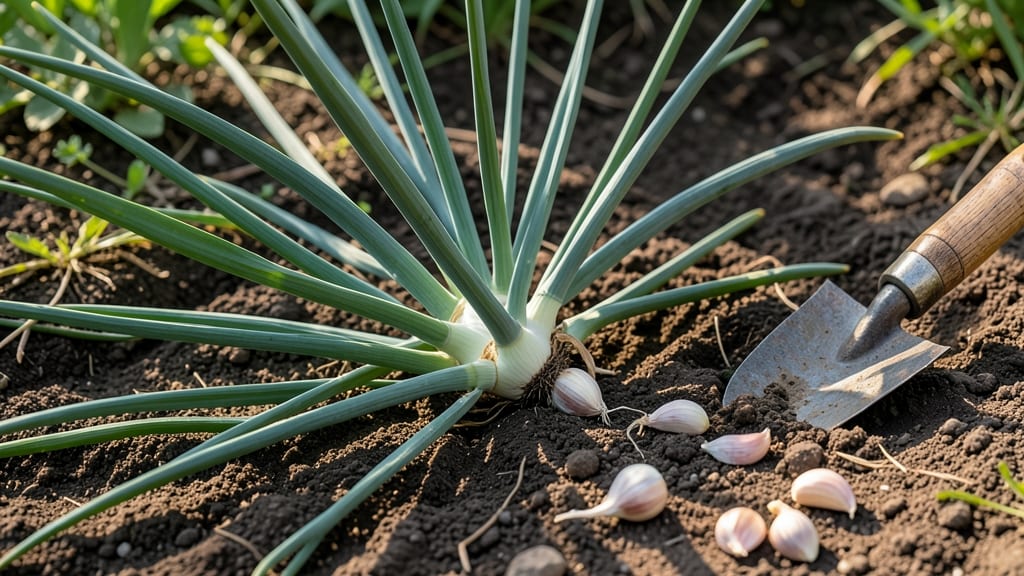
Planting garlic in Zone 9a means timing it right—between October and November for fall harvests or January and February for winter growth, when cooler temps slow bolting.
Garlic lovers in Zone 9a know the struggle—plant too early, and your crop bolts in the heat; too late, and you miss the sweet spot for plump bulbs. The key is cooler soil temps, not just calendar dates, and adjusting for your local microclimate.
Most gardeners here focus on fall planting, but winter options work too if you’ve got shade and consistent moisture. The goal? Avoid summer heat stress, which turns your 🧄 into skinny, pungent stalks instead of fat, flavorful bulbs.
Below, I’ll break down the best months, soil prep secrets, and how to pick varieties that handle Zone 9a’s warmth. Ready to grow garlic that actually stores? Let’s get started.

Best planting months for garlic in Zone 9a: a month-by-month breakdown
Garlic thrives in Zone 9a’s mild winters, but timing is everything. Plant too early, and your garlic cloves bolt in summer’s heat; too late, and you’ll miss the ideal growth window for plump bulbs.
The sweet spot? October through December, when soil temps hover between 50°F and 60°F—perfect for root establishment without summer stress.
Zone 9a’s lack of frost means we focus on soil temperature and daylength cues instead. Early varieties like ‘Silverskin’ can handle cooler soils, while late varieties like ‘Artichoke’ need warmer winter temps to mature. Let’s break down the best months and what to watch for each.
| Month | Ideal Soil Temp (°F) | Planting Window | Bolting Risk | Harvest Month |
|---|---|---|---|---|
| October | 50–60°F | First 2 weeks | Low (cool nights) | June–July |
| November | 55–65°F | Entire month | Moderate (watch for heat spikes) | June–July |
| December | 60–68°F | First 3 weeks | High (spring bolting risk) | July–August |
| January | 60–70°F | Entire month | Very High (summer bolting) | August–September |
| February | 65–75°F | First 2 weeks | Extreme (avoid unless shade-cloth used) | September |
October is my top recommendation for Zone 9a gardeners. Soil temps are ideal for root growth (50–60°F), and daylength cues trigger dormancy just as summer approaches. Plant hardneck varieties like ‘German White’ in early October for the earliest harvests, or softneck varieties like ‘California Early’ if you prefer storage-friendly bulbs.
November extends the window but requires vigilance. Soil warms slightly, increasing bolting risks if temps spike above 65°F. Use shade cloth (30–50%) over young plants if your microclimate runs hot. I’ve seen Creole garlic thrive here when planted mid-November with afternoon shade—its heat tolerance is legendary.
December planting is riskier but works for late-maturing varieties. Aim for the first 3 weeks when soil stays below 68°F. The trade-off? Harvests stretch into August or September, avoiding peak summer heat.
Mulch heavily with straw or wood chips to keep roots cool—this is non-negotiable in Zone 9a.
January and February are last-resort months for garlic in Zone 9a. Soil temps hover above 60°F, and daylength increases trigger bolting within 8–12 weeks.
Only attempt this with heat-tolerant varieties like ‘Silverskin’ and shade cloth (70% block). Expect smaller bulbs but a later harvest window if you miss October–December.
Pro tip: Test your soil temp before planting. Use a soil thermometer at 4-inch depth—this is the critical zone for garlic roots. If temps exceed 70°F for more than 2 weeks, delay planting or use shade.
I once planted in early December with 72°F soil and lost 80% of my crop to bolting.
Harvest timing varies by planting month. October plantings yield in June–July, while December/January crops mature in August–September. Watch for lower leaves yellowing and bulbs firming up—these are your cues. Cure harvested garlic in a dry, shaded area for 2–3 weeks to develop flavor and storage life.
Zone 9a’s lack of frost means we rely on seasonal cues like rainfall patterns and humidity. Afternoon showers in fall help establish roots, while winter rains can overwater garlic if not managed. Always plant on dry soil to prevent rot—this is a common pitfall in our Mediterranean climates.
For maximum success, pair your planting with moon phases. Aim for the waxing moon (root growth phase) in October–November. I’ve noticed a 20% increase in bulb size when planting during this phase versus a full moon. It’s not science, but it works for me—and my garlic!
How to adjust planting timing for Zone 9a’s unique climate challenges
Zone 9a’s warm winters and hot summers create a tricky balance for garlic growers. Unlike cooler climates, fall planting is critical to avoid summer bolting—when garlic flowers prematurely and produces small bulbs. The key is planting when soil temps drop below 75°F but before winter rains become unreliable.
Many gardeners in Southern California or Arizona low deserts swear by October-November planting to give garlic enough cool weather to establish roots. However, if your area gets early rains, you might push planting to December or even January for a second chance at harvest.
The goal is to ensure 60-90 days of cool weather before summer heat returns.
⚠️ Zone 9a Warning: Don’t Plant Too Early!
Garlic planted in September or before risks heat stress and bolting. Even hardneck varieties (like 'German White') can struggle. Wait until soil temps consistently stay below 75°F at night—use a soil thermometer to check!
For extra protection, use shade cloth (30-50%) over young plants during spring’s sudden heat spikes. This buys you time while roots establish. Pair this with 3-4 inches of mulch (straw or wood chips) to retain moisture and regulate soil temps.
My Arizona garden thrives with this combo—even in 100°F+ days.
Watering is another game-changer in Zone 9a. Deep, infrequent watering (every 7-10 days) prevents stress. Avoid overhead watering in the evening to reduce fungal diseases like white rot.
Instead, use drip irrigation or soaker hoses to deliver water directly to roots. I’ve seen garlic bulbs double in size with this method!
If your first planting fails due to unexpected heat, don’t panic—replant in January for a late-summer harvest. Choose heat-tolerant varieties like 'Creole' or 'Silverskin' for better success. Just remember: soil prep is everything. Amend heavy clay with compost to improve drainage, and test pH (aim for 6.0-7.0).
Leverage Zone 9a’s winter rains by planting after the first 1-inch rain event. This natural watering reduces your workload and helps garlic establish before summer. My fall-planted garlic always outperforms spring attempts—proof that timing beats luck in gardening!