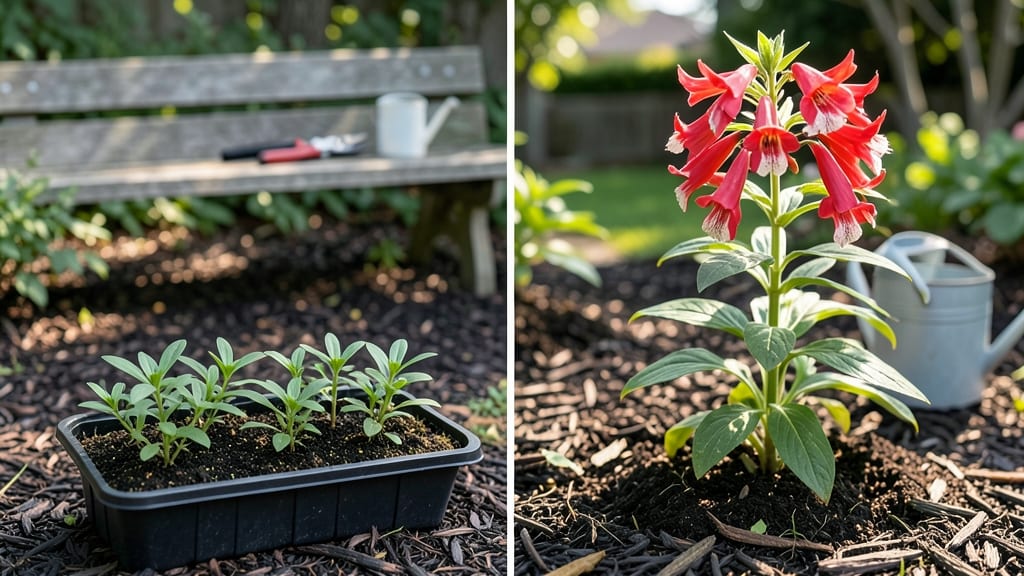
To plant in 6b zone at the right time means catching that narrow window between frost and heat—miss it, and your best yields vanish faster than spring snow.
Picture this: You’ve prepped the soil, ordered seeds, and cleared your schedule for gardening days—only to watch your cool-season crops bolt in May or your tomatoes struggle under June’s sudden heat. That’s the 6b zone trap, where timing isn’t just helpful, it’s critical.
Here’s the good news: With frost-free dates pinned to your calendar and a month-by-month breakdown of what to plant when, you’ll avoid those costly mistakes. We’re talking peak harvests, not guesswork.
Below, I’ll walk you through the exact windows for spring and fall plantings, the hardy crops that defy early frosts, and how to stretch your season with simple tricks—so you’re not left with empty rows come July.
Zone 6b
April 15 (average)5
USDA 6B zone frost dates by month: critical planting windows explained
Understanding your USDA 6B frost dates is the key to unlocking a productive garden. In this zone—which includes areas like the Southern Appalachians, parts of Missouri, and Arkansas—your planting success hinges on timing.
The average last frost date in spring is around April 15, while the first frost typically arrives by October 15, giving you roughly 165 frost-free days to grow. However, microclimates—like river valleys or higher elevations—can shift these dates by 1-2 weeks, so always check local records.
For cool-season crops like lettuce, spinach, and peas, you’ll want to start seeds indoors in March or sow directly in early April, before the soil warms too much. These plants thrive in cooler temperatures and can even handle light frosts.
Meanwhile, warm-season crops such as tomatoes, peppers, and cucumbers need to wait until after your last frost date—usually mid-to-late May—to avoid stunted growth or death from unexpected chilly nights.
Here’s your month-by-month planting calendar for USDA 6B, tailored to both cool and warm-season crops. Use this as your guide to maximize yields and avoid common timing mistakes.
| Month |
Last Frost Date |
First Frost Date |
Cool-Season Crops |
Warm-Season Crops |
Planting Tip |
| February |
N/A |
N/A |
Start indoors: Lettuce, Spinach, Peas |
N/A |
Use grow lights for seedlings |
| March |
Late March |
N/A |
Direct sow: Spinach, Kale, Radishes |
N/A |
Cover seeds with mulch |
| April |
Mid-April |
N/A |
Direct sow: Broccoli, Carrots, Beets |
Start indoors: Tomatoes, Peppers |
Hardening off seedlings |
| May |
N/A |
N/A |
Late sowings: Lettuce, Peas |
Plant outdoors: Tomatoes, Cucumbers, Basil |
Use row covers for early plants |
| June |
N/A |
N/A |
N/A |
Succession plant: Beans, Squash |
Mulch to retain moisture |
| July |
N/A |
N/A |
N/A |
Plant heat-tolerant: Okra, Sweet Potatoes |
Water deeply in heat |
| August |
N/A |
Late October |
Start fall crops: Kale, Spinach |
N/A |
Use cold frames for extension |
| September |
N/A |
Mid-October |
Direct sow: Radishes, Turnips |
N/A |
Best crops to plant in 6B zone by season: month-by-month guide
Planting in USDA Zone 6B requires precision timing to align with your 165-day frost-free window. The key is knowing which cool-season crops thrive in early spring and fall, while warm-season plants need to wait until after your average last frost (April 15).
I’ve broken down the best crops for each month to maximize your harvest.
For early spring planting (March-April), focus on frost-tolerant vegetables like kale, spinach, and peas. These can handle light frosts and even grow under row covers if temperatures dip. Meanwhile, late spring (May-June) is prime time for tomatoes, peppers, and cucumbers, which crave warmth.
Summer (July-August) is all about heat-loving crops like okra, sweet potatoes, and eggplant. These plants thrive in the 80°F+ temperatures typical of Zone 6B summers. Don’t forget succession planting—sow bush beans or lettuce every 2 weeks to keep a steady supply.
- March: Peas, spinach, onions (direct sow). Start broccoli and cabbage indoors.
- April: Lettuce, radishes, carrots (early varieties). Transplant kale and brussels sprouts after last frost.
- May: Tomatoes, peppers, cucumbers (after May 15). Direct sow beans and corn.
- June: Sweet potatoes, okra, eggplant. Succession plant bush beans every 2 weeks.
- July: Fall lettuce, turnips, kohlrabi (start indoors). Direct sow radishes for late harvest.
- August: Broccoli, cabbage, brussels sprouts (transplant). Sow spinach for fall harvest.
- September: Garlic (plant for next year), onions, peas (late varieties). Cover with row covers.
Fall planting (September-October) is your second chance for cool-season crops. Garlic and onions planted in September will mature next year, while spinach and lettuce can be direct-sown for a quick harvest before winter. Use row covers to extend the season by 2-4 weeks in late fall.
Pro tip: Succession planting is your secret weapon in Zone 6B. For example, sow radishes every 2 weeks from April through July to enjoy fresh harvests all summer. Similarly, bush beans planted in early June, July, and August will give you a continuous supply until frost.
Don’t overlook herbs and flowers—many thrive in Zone 6B’s climate. Plant basil and cilantro in May for summer use, while thyme and oregano are perennial workhorses that return year after year. For flowers, marigolds (pest-repellent) and nasturtiums (edible) are great companions for vegetables.
★★★★★4.8(14 reviews)
|