
Plants
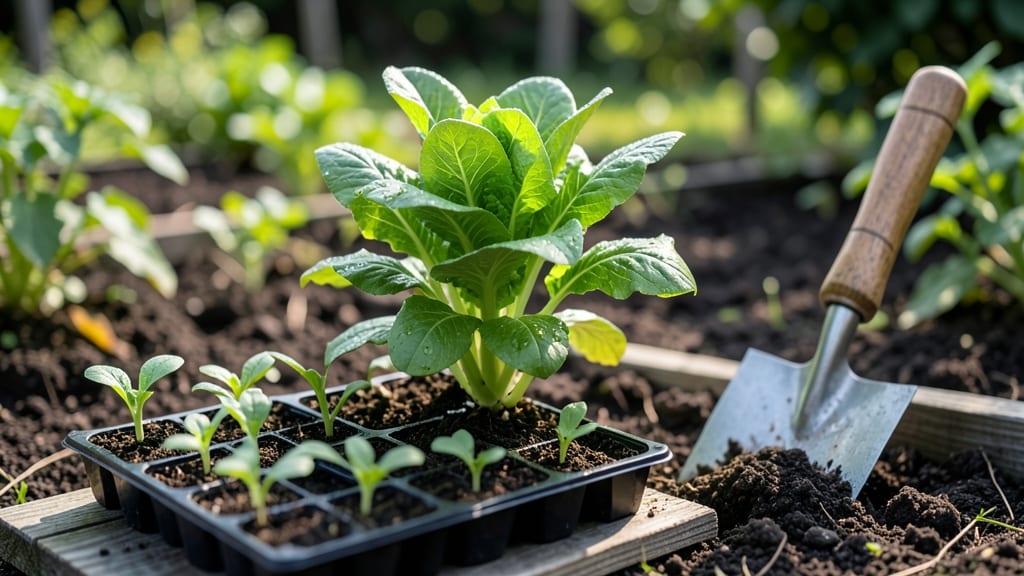
Planting lettuce in Zone 7a at the right time means the difference between crisp, sweet harvests and bitter, bolted disappointment 🥬.
If you’ve ever pulled up a sad, flowering lettuce plant in July, you know how quickly things go wrong. The key? Timing your seeds or transplants for early spring (March-April) and late summer (August-September)—when temperatures stay cool enough to prevent bolting.
In Zone 7a, lettuce thrives in the 45-65°F range, so planting too early (before the last frost) or too late (as summer heats up) spells failure. But with the right schedule, you can enjoy fresh greens from late spring through fall.
Below, I’ll break down the exact windows for planting, how to stretch your harvest through summer, and the simple tricks to keep your lettuce crisp—no matter what the weather brings.

Best planting windows for lettuce in Zone 7a (with month-by-month breakdown)
In Zone 7a, lettuce thrives in cool weather but bolts quickly when temperatures rise above 75°F. The key is planting during spring and fall windows when soil temperatures stay between 40-70°F. This schedule ensures crisp, tender leaves instead of bitter, flowering stalks.
For spring lettuce, start seeds indoors 4-6 weeks before your last frost date (typically mid-March in Zone 7a). Transplants can go into the garden 2-3 weeks before last frost, while direct sowing works 2-4 weeks before frost for faster germination.
Here’s your month-by-month planting guide for Zone 7a, including soil temps, frost risks, and ideal varieties for each season:
For spring planting, aim to harvest before May 15 when daytime temps consistently exceed 75°F. Use shade cloth (30-50%) to extend harvest
How to extend your lettuce harvest in Zone 7a’s hot summers (shade, succession planting, and heat-tolerant varieties)
Zone 7a’s summer heat can turn your lettuce into bitter, bolted disappointment—but it doesn’t have to. With the right heat-tolerant varieties, shade strategies, and succession planting, you can enjoy crisp salads all season long. The key is working with, not against, your climate.
Most lettuce varieties bolt when temperatures rise above 75°F (24°C), but some heat-resistant types can handle 85°F (29°C) for short periods. Pair these with partial shade and consistent moisture, and you’ll extend your harvest well into summer’s peak.
🌱 Top 3 Heat-Tolerant Lettuce Varieties for Zone 7a
- 1. Black Seeded Simpson – Bolt-resistant, crisp heads, thrives in 75-85°F.
- 2. Jericho – Slower to bolt, deep green leaves, handles heat better than romaine.
- 3. Nevada – Heat-tolerant romaine, stays crisp in partial shade.
To beat the heat, use shade cloth (30-50%) during the hottest afternoon hours (typically 12 PM - 4 PM). Secure it 3-4 feet above plants to allow airflow and prevent fungal issues. For container growers, opt for light-colored pots to reflect heat and use self-watering systems.
Succession planting is your secret weapon—sow new seeds every 2-3 weeks from spring until early July. This ensures a continuous harvest while older plants mature. In late summer (August), plant another round for a fall harvest before the first frost.
Use row covers at night in late summer to protect seedlings from temperature swings.
Watering is non-negotiable: keep soil consistently moist (never soggy) by watering early morning and mulching with 2-3 inches of straw to retain moisture. Avoid overhead watering at night to prevent disease. For container lettuce, check moisture daily—containers dry out 3x faster than in-ground beds.
Monitor your plants for bolting signs: elongated stems, yellowing leaves, or bitter taste. If you spot these, harvest immediately or cut back to encourage new growth. For stubborn bolters, try shading them further or moving pots to a cooler microclimate (like under a tree).