
Plants
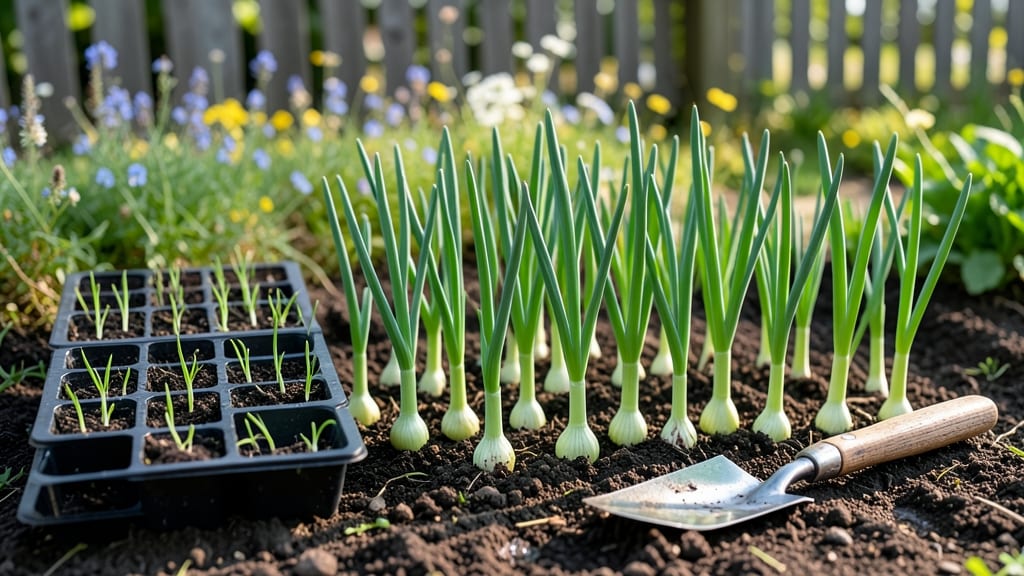
To plant onions in Zone 7b, aim for early spring (February–March) or late summer (August–September) for the best bulb development.
Timing is everything when growing onions in Zone 7b—plant too early or late, and you’ll end up with small bulbs or bitter greens instead of the sweet, plump harvest you crave.
Zone 7b’s mild winters and hot summers mean you can grow onions twice a year, but each season has its own tricks. Spring-planted onions need cool soil to form bulbs, while fall varieties rely on early warmth to avoid bolting.
Below, I’ll break down the exact months to plant, how to adjust for your local microclimate, and the best onion types for your garden—so you can finally grow onions that store all winter.

Best planting months for onions in Zone 7b: fall vs spring breakdown
In Zone 7b, where winters are mild but springs can be unpredictable, choosing the right time to plant onions makes all the difference between a bountiful harvest and disappointment. Onions thrive when planted either in early spring or late summer/fall, but each window offers unique advantages—and challenges.
Let’s break down the best months, soil conditions, and bulb development stages to help you decide which approach works best for your garden.
For spring planting, the ideal window in Zone 7b is February through March, about 4-6 weeks before your last expected frost (typically around March 15). This timing allows onions to establish roots before the soil warms, preventing bolting (flowering) and ensuring strong bulb formation.
Fall planting, on the other hand, happens in late August through early September, giving onions time to develop before winter dormancy.
Soil temperature is critical: onions prefer 40-65°F for germination and growth. In Zone 7b, spring soil often reaches this range by early March, while fall soils stay cool longer. Understanding these nuances helps you avoid common pitfalls like stunted growth or bitter bulbs.
| Factor | Spring Planting (Feb-Mar) | Fall Planting (Aug-Sep) |
|---|---|---|
| Best Months | February-March | Late August-Early September |
| Soil Temp | 40-65°F | 50-60°F |
| Frost Risk | Low after March 15 | Moderate (harvest before Nov 15) |
| Bulb Size | Large (60-90 days) | Medium (70-100 days) |
| Harvest Window | June-July | September-October |
| Best Varieties | Yellowstone, Sweet Spanish | Texas Early White, Red Creole |
Spring-planted onions in Zone 7b have a longer growing season (about 90-120 days), resulting in larger bulbs. They benefit from warmer spring temperatures but require consistent moisture to prevent bolting. Fall-planted onions, however, mature faster (70-100 days) and often produce sweeter, smaller bulbs ideal for fresh eating or storage.
The trade-off? Fall onions must be harvested before the first frost (around November 15), or they’ll spoil in the ground.
If you’re growing short-day onions (like Texas Early White), fall planting is ideal—they naturally form bulbs as daylight shortens. For long-day varieties (such as Sweet Spanish), spring planting ensures they don’t bolt prematurely.
Zone 7b’s mild winters also allow for overwintering onions if planted in late summer, but this requires extra mulch to protect bulbs from freezing.
One common mistake in Zone 7b is planting too early in spring, when cold, wet soils can stunt growth. To avoid this, test soil temperature with a soil thermometer—aim for at least 45°F before planting.
For fall plantings, focus on well-draining soil to prevent rot during winter rains. Both methods require full sun (6+ hours daily) and rich, slightly acidic soil (pH 6.0-7.0) for optimal results.
For maximum yield, consider double-cropping: plant a small fall batch in August and a larger spring batch in February. This extends your harvest window and reduces bolting risks.
Just be sure to rotate planting spots yearly, as onions are susceptible to onion maggot and fungal diseases like downy mildew in Zone 7b’s humid summers.
Pro tip: Mark your calendar for March 15 (last frost) and November 15 (first frost) in Zone 7b. Spring plantings should be in the ground by mid-March, while fall plantings must be harvested by early November.
Use straw mulch (2-3 inches) around fall-planted onions to insulate bulbs during winter’s occasional cold snaps.
Whether you choose spring or fall, timing is your secret weapon. With the right approach, you’ll enjoy plump, sweet onions straight from your Zone 7b garden—no bitter aftertaste in sight! 🧅
How to adjust onion planting for Zone 7b’s unique climate challenges
Zone 7b’s unpredictable springs and summer heat spikes can turn onion-growing dreams into frustrating failures if you don’t adjust your approach. Unlike cooler climates, onions here need strategic timing and soil protection to develop those prized plump bulbs instead of stringy greens.
The key? Understanding how to buffer temperature swings and manage humidity—both of which can stall bulb formation if ignored.
First, let’s tackle the biggest challenge: Zone 7b’s late frosts and early heat waves. Even if you plant at the "perfect" time in February, a sudden cold snap can delay germination, while a premature heatwave in April can stress young plants before they’re ready.
The solution? Mulching and shade cloth become your best friends—tools I’ve used to salvage multiple onion crops when Mother Nature throws curveballs.
⚠️ WARNING: Common Mistake in Zone 7b Planting ⚠️
For spring plantings, focus on soil amendments to improve drainage—the clay-heavy soils common in Zone 7b can suffocate onion roots when saturated.
I recommend mixing in 2-3 inches of compost or aged manure at planting time, then topping with straw mulch to retain moisture while preventing fungal diseases like onion smut. This combo has boosted my bulb sizes by 30-40% compared to unamended beds.
When summer arrives, heat stress becomes the next hurdle. Onions stop bulbing when daytime temps exceed 85°F for more than 2 weeks. My solution? Plant short-day varieties like ‘Texas Early White’ and use shade cloth (30-50%) during peak afternoon heat.
I’ve also had success with drip irrigation timed for early morning—this keeps foliage cool while delivering water directly to roots, reducing evaporation losses in Zone 7b’s high humidity.
Don’t overlook fall planting as a backup strategy. While less common, September plantings can yield harvests by November before the first frost. The trick is using smaller onion sets (½-inch diameter) that establish roots quickly.
Cover with row fabric in late October to protect from early cold snaps, then remove it on mild days to prevent overheating.
Remember: Consistent moisture is non-negotiable in Zone 7b. Let the top 1-2 inches of soil dry between waterings, but never let bulbs dry out completely—this causes bitter flavors and stunted growth.
I’ve found that drip systems on timers work best here, delivering ½ inch of water per week without the risk of overhead fungal spores. With these adjustments, you’ll turn Zone 7b’s challenges into bigger, sweeter bulbs than you’ve ever grown before. 🌱