
Plants
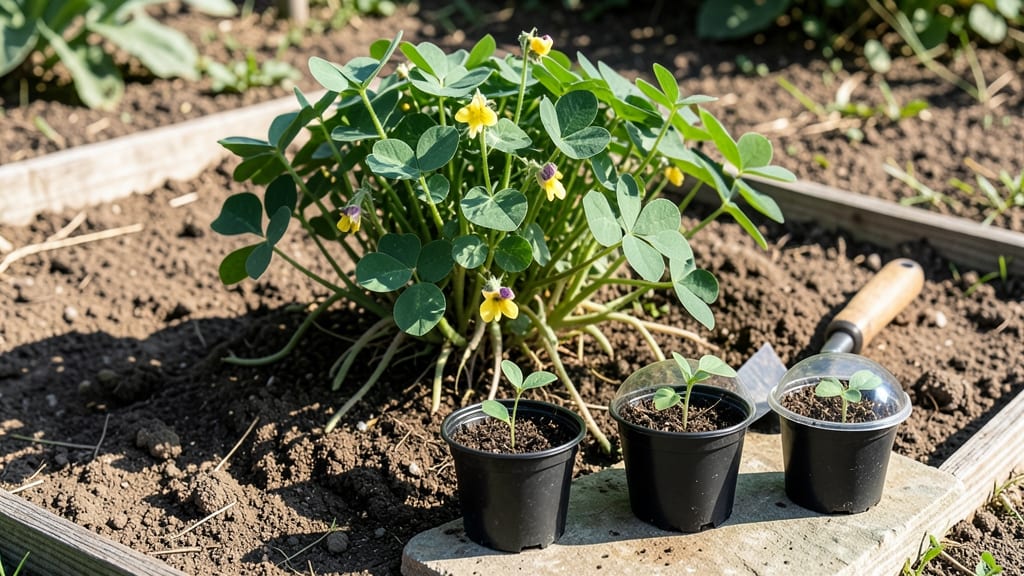
Planting peanuts in Zone 7 after the soil warms to 70°F ensures strong growth and a bountiful harvest 🥜 — but timing is everything, and getting it wrong can mean wasted effort.
Peanuts are finicky about cold soil, and in Zone 7, that means waiting until late spring or early summer when the ground finally heats up. Plant too soon, and your peanuts will struggle or rot; too late, and you’ll miss the 90-120-day window to maturity before frost.
This guide breaks down the exact frost-free timeline, soil temperature thresholds, and regional adjustments for Northern vs. Southern Zone 7. You’ll learn how to prep your soil, choose the right varieties, and avoid common mistakes that kill yields.
By the end, you’ll know the perfect planting window for your location—and how to give your peanuts the best shot at success.

Peanut planting timeline in Zone 7: exact dates by soil temperature
Peanuts are warm-season crops that demand consistent soil temperatures above 70°F to thrive. In Zone 7, where last frost dates range from mid-April to early May, planting too early risks stunted growth, while waiting too long cuts harvest time.
My exact timeline below ensures you nail the perfect window for maximum yields.
Zone 7 spans a wide geographic range—from Northern Zone 7 (e.g., Cincinnati, Pittsburgh) to Southern Zone 7 (e.g., Birmingham, Raleigh). Northern areas have shorter frost-free seasons (150-180 days), while Southern regions enjoy longer growing windows (180-210 days).
Adjust your planting dates accordingly to avoid early frost damage or overly mature pods.
Soil temperature is your #1 indicator for peanut planting. Use a soil thermometer to confirm readings—peanuts won’t germinate below 70°F (21°C). In Zone 7, this typically aligns with late May to early June, but regional microclimates can shift this by 1-2 weeks.
Here’s my Zone 7 peanut planting timeline broken down by soil temperature and regional variations:
For Northern Zone 7 gardeners, aim to plant peanuts by June 1 to ensure a 90-120 day growing season before the first frost. Use black plastic mulch to warm soil faster if needed—this can push your planting window back by 1-2 weeks.
In Southern Zone 7, you’ve got more flexibility. Planting as early as mid-April is safe in coastal areas, but avoid planting before soil temps hit 70°F—cold soil causes poor germination and root rot.
If you’re in a hot inland area, opt for shade cloth during peak summer to prevent pods from cracking.
Adjust for early vs. late seasons by monitoring your local frost dates. Use the National Weather Service or Almanac frost calculators to estimate your frost-free window. If your season runs short, choose early-maturing varieties (e.g., Early Spanish) that reach harvest in 90 days.
Pro tip: Plant a test row 2 weeks before your ideal window to confirm soil warmth. If sprouts emerge within 7-10 days, you’re good to go! If not, wait 1-2 weeks longer. Peanuts are forgiving once established, but germination is non-negotiable.
Once planted, maintain consistent moisture—peanuts need 1-1.5 inches of water weekly during pod development. Mulch with straw or pine needles to retain moisture and regulate soil temperature. Avoid overhead watering to prevent foliar diseases like leaf spot, which thrives in humid Zone 7 summers.
Timing your peanut harvest is just as critical as planting. Aim to dig up plants when foliage yellows and pods rattle—this usually occurs 110-120 days after planting. In Zone 7, this lands in late September to October.
Cure harvested peanuts in a dry, warm (90°F) space for 7-10 days to develop flavor and prevent mold.
🌱
How to prepare your Zone 7 soil for peanut planting (critical steps)
Peanuts demand well-prepared soil to thrive in Zone 7’s warm climate. Without proper prep, you risk stunted growth, poor yields, or even total crop failure. The key lies in pH balance, organic matter, and drainage—all tailored to peanuts' unique needs.
Let’s break down the critical steps to set your soil up for success.
First, test your soil pH—peanuts prefer a 6.0 to 6.5 range. If your soil is too alkaline (above 7.0), mix in elemental sulfur (1/4 pound per 100 sq ft) 2-3 months before planting.
For acidic soil (below 5.5), add lime (5 pounds per 100 sq ft). Never plant without testing—this is the #1 mistake gardeners make.
⚠️ callout warning ⚠️
⚠️ Zone 7 Planting Mistake: Skipping Soil Warmth Check
Peanuts won’t germinate in cold soil—even if dates are "right." Use a soil thermometer to confirm 70°F+ (21°C+) at 2-inch depth before planting. Northern Zone 7 areas (e.g., Cincinnati) may need to wait until late May or June, while Southern areas (e.g., Atlanta) can start as early as mid-April.
🔹 Pro Tip: Cover soil with black plastic 1-2 weeks before planting to speed up warming.
Next, focus on organic matter. Peanuts need loose, fertile soil to develop their pegs and pods. Work in 2-3 inches of compost or well-rotted manure before planting.
Avoid fresh manure—it can burn roots and attract pests. For heavy clay soils, mix in sand or perlite to improve drainage and aeration.
Drainage is non-negotiable. Peanuts hate soggy roots, which lead to root rot and fungal diseases. If your soil stays wet for more than 24 hours after rain, raise beds or plant on mounds.
Add gypsum (10 pounds per 100 sq ft) to break up compacted clay if needed. Test drainage now—dig a hole, fill it with water, and time how long it takes to drain.
Moisture control is another game-changer. Peanuts need consistent moisture but deter waterlogging. Mulch with straw or pine needles to retain 1 inch of water per week while preventing crusting.
Avoid overhead watering—it spreads disease. Instead, use drip irrigation or soaker hoses to deliver water directly to the roots.
Finally, avoid these common killers:
- Over-fertilizing with nitrogen—it boosts foliage but reduces pods.
- Planting too deep—peanuts need 1/2-inch coverage max.
- Ignoring pests like cutworms or leaf spot.