
Plants
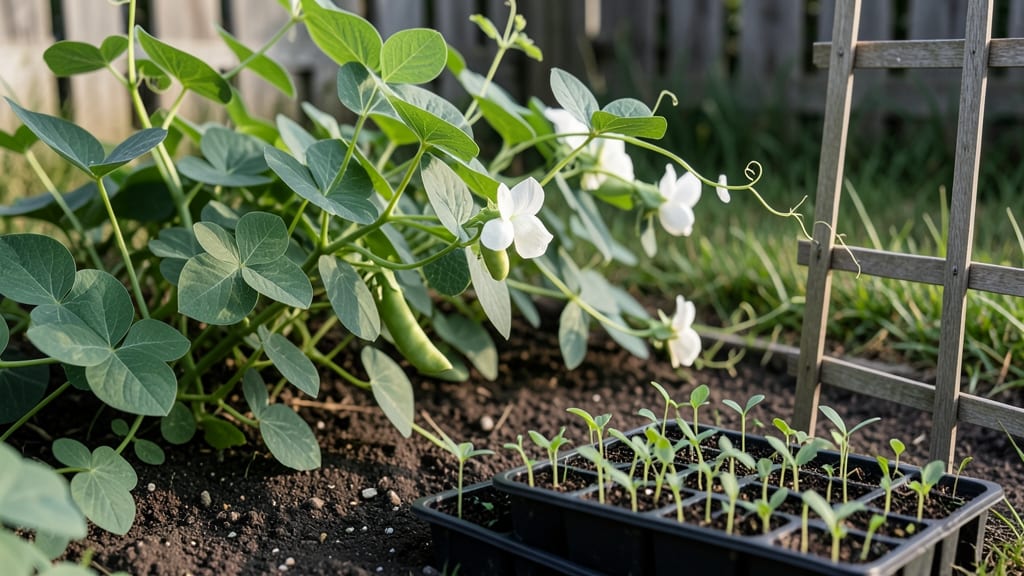
To plant snow peas in Zone 7, aim for early spring or late summer when soil temperatures hit 45°F—this timing ensures fast germination and avoids the pitfalls of heat stress or frost.
Snow peas 🌱 thrive in cooler weather, but planting them too early or late can mean the difference between a bountiful harvest and wasted effort. Timing is everything—and these fast-growing vines need just the right conditions to flourish.
In Zone 7, the ideal windows are February-March for spring or August-September for fall, aligning with your last frost date. Miss this window, and you risk bolting (premature flowering) or poor germination, both of which can derail your harvest.
Below, I’ll break down the exact steps to time your planting, extend your harvest season, and troubleshoot common mistakes—so you can enjoy crisp, sweet pods all season long.

Optimal planting windows for snow peas in Zone 7: spring vs fall
Snow peas (Pisum sativum) are cool-season champions that thrive when temperatures hover between 45°F and 75°F. In Zone 7, timing your planting windows correctly ensures vigorous growth and a longer harvest window.
The two best times are early spring and late summer/fall, each with unique advantages and challenges.
Spring planting gives you a head start, but fall planting often yields faster harvests because cooler autumn temperatures prevent bolting—the premature flowering that ruins tender pods.
Both seasons require precise timing to avoid frost damage or heat stress, so let’s break down the ideal windows and how to calculate them for your location.
To determine your last frost date, check your local USDA Plant Hardiness Zone map and historical data. In Zone 7, the average last frost typically falls around March 15, while the first frost arrives around November 15.
For exact dates, use tools like the Old Farmer’s Almanac or your local cooperative extension service.
| Planting Window | Ideal Months | Soil Temperature | Days to Harvest | Key Considerations |
|---|---|---|---|---|
| Early Spring | February–March | 45°F–55°F | 65–75 days | Plant 4–6 weeks before last frost. Use row covers if frost lingers. |
| Late Summer/Fall | August–Early September | 50°F–65°F | 55–65 days | Plant 8–10 weeks before first frost. Harvest before fall temperatures drop below 40°F. |
For spring planting, aim to sow seeds 4–6 weeks before your last frost date. If you plant too early, cold soil can delay germination, while planting too late risks heat stress as temperatures rise.
Start with direct sowing in garden beds, spacing seeds 2 inches apart with rows 18 inches apart.
Fall planting offers a shorter growing season but often produces sweeter, more tender pods because cooler weather prevents bolting. Plant seeds 8–10 weeks before your first frost date, typically in late summer (August). This gives snow peas enough time to mature before winter sets in.
Soil temperature is critical for germination. Snow peas won’t sprout well in soil colder than 45°F. Use a soil thermometer to check temperatures before planting. If your soil is too cold, wait a few weeks or use black plastic mulch to warm it up faster.
One of the biggest mistakes gardeners make is ignoring microclimates in their yard. A south-facing bed warms up faster in spring and stays warmer longer in fall. If your garden is shaded, opt for fall planting when days are shorter and temperatures are more predictable.
To maximize your harvest, consider succession planting. Sow a second batch of seeds 2–3 weeks after your initial planting to ensure a continuous supply of fresh pods. This works especially well for fall plantings, where you can stagger seeds every 10–14 days for a prolonged harvest.
Remember, snow peas are fast growers, but they need consistent care. Monitor for aphids and powdery mildew, which thrive in humid conditions. If you notice yellowing leaves or sticky residue, treat with neem oil or introduce ladybugs as natural predators.
How to extend your snow pea harvest season in Zone 7
Snow peas are one of the fastest-growing vegetables in your garden, but their harvest window can feel short in Zone 7. By using smart strategies, you can stretch that window from just a few weeks to nearly three months!
The key lies in succession planting, companion planting, and protecting your vines with row covers or cold frames.
In Zone 7, where last frost typically hits around March 15 and first frost arrives by November 15, you can create multiple harvest opportunities. Start with early spring plantings, then follow with late summer succession plantings. This ensures continuous production while avoiding the heat stress that can stunt growth.
🌱 How to Extend Your Snow Pea Season
- 📅 Succession Planting: Sow seeds every 2-3 weeks from February to August for staggered harvests.
- 🌿 Companion Plants: Interplant with radishes, lettuce, or spinach to maximize space and deter pests.
- 🛡️ Row Covers: Use lightweight fabric to extend harvest 2-3 weeks earlier in spring or 4-6 weeks later in fall.
- 🏔️ Cold Frames: Protect late-season vines from light frosts (down to 25°F) for extended production.
- ✂️ Prune Regularly: Trim old pods to encourage new growth and prevent bolting.
One of my favorite tricks is using companion planting to make the most of limited space. For example, radishes mature in just 30 days, so they’re perfect to plant alongside snow peas.
As the radishes finish, you’ll have space for another round of peas. This intercropping method keeps your garden productive all season long.
If you want to push your harvest into late fall, row covers are a game-changer. They create a microclimate that traps heat while allowing sunlight and water through. In Zone 7, this can extend your harvest by 4-6 weeks past the typical first frost.
Just be sure to secure the edges tightly to prevent pests from sneaking in.
Don’t forget to harvest consistently—this encourages more production. Snow peas are ready to pick when pods are flat and 2-3 inches long, but before the seeds inside become plump.
If left too long, they’ll toughen up and become stringy. A quick check every 2-3 days ensures you’re always harvesting at peak freshness.
With these strategies, you can enjoy a near-continuous supply of sweet, crisp snow peas from early spring through late fall. The key is planning ahead, protecting your plants, and staying on top of harvests. Happy gardening! 🌱