
Plants
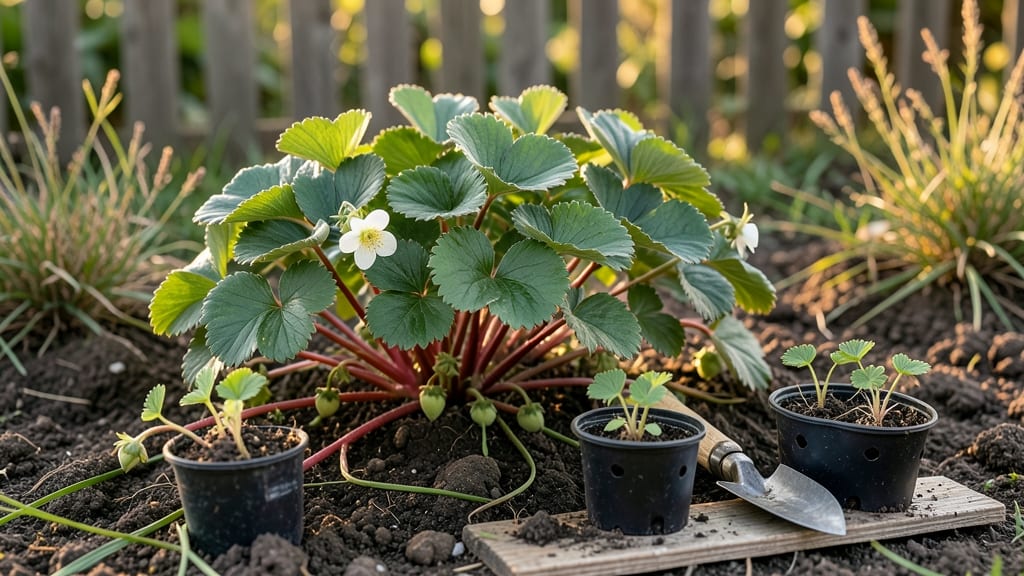
Plant strawberries in Zone 6b between late March and early April for spring harvests or in late July for a fall crop, timing that avoids frost damage and maximizes sweetness.
If you’ve ever bitten into a strawberry that’s more tart than juicy, you know timing matters. In Zone 6b, planting too early risks frost damage, while waiting too long cuts your harvest short—both mistakes I’ve made (and learned from).
The key is aligning your schedule with your last frost date, which typically lands around April 15 in most of 6b. Spring-planted berries reward you with fruit by June, while summer plantings stretch yields into October.
Below, I’ll break down the exact frost-free windows, whether bare-root or potted plants work best, and how to protect your crop if a late freeze sneaks in. Ready for the best strawberry season yet?

Best planting windows for strawberries in Zone 6B (spring vs fall)
Zone 6B gardeners know timing is everything for strawberries. The last average frost date (April 15) and first frost (October 15) create a 165-day growing window—perfect for two planting opportunities.
Spring planting gives early summer fruit, while fall planting extends harvest into autumn. Let’s break down the exact windows for your region’s microclimates.
In the Piedmont region (e.g., Raleigh, Charlotte), soil warms faster, allowing earlier spring planting (late March). Meanwhile, the Appalachian foothills (e.g., Asheville, Boone) stay cooler, pushing ideal dates to mid-April. Fall planting works in both areas but requires careful variety selection for cold tolerance.
| Planting Window | Zone 6B Piedmont (e.g., Raleigh) | Zone 6B Appalachians (e.g., Asheville) | Key Considerations |
|---|---|---|---|
| Spring Planting | Late March - Early April | Mid-April | Soil temp ≥45°F, avoid late frosts |
| Fall Planting | Late July - Early August | Mid-August | Establish roots before frost; use cold-hardy varieties |
| Harvest Window | June - July (spring) + Sept-Oct (fall) | Late June - July (spring) + Late Sept-Oct (fall) | Fall harvest extends season by 6-8 weeks |
| Soil Prep | Test pH 5.8-6.5; amend with compost | Same; cooler soils may need extra compost | Both regions benefit from raised beds for drainage |
For spring planting, aim to get strawberries in the ground 4-6 weeks before last frost. This gives roots time to establish before active growth begins. In Piedmont areas, bare-root plants can go in as early as late March if protected with frost cloth for late frosts.
Fall planting is trickier but rewards you with autumn harvests. Plant 6-8 weeks before first frost (late July in Piedmont, mid-August in Appalachians). Choose everbearing or day-neutral varieties like 'Chandler' or 'Seascape'—they handle cooler temps better and produce fruit in both seasons.
Microclimates matter! A south-facing slope in the Appalachians warms up faster than a north-facing valley, potentially shifting your ideal window by 1-2 weeks. Use a soil thermometer to confirm 45°F soil temps before planting—this is your green light for success.
Pro tip: Mulch heavily (3-4 inches of straw) after planting to insulate roots and retain moisture. In fall, this helps plants survive early winter cold snaps while still producing fruit. Remove mulch in late winter to prevent rot as temps rise.
If you’re staggering plantings for continuous harvests, space your fall plantings 2-3 weeks apart. This ensures some plants are fruiting while others are establishing—perfect for Zone 6B’s short growing season. Just remember: no new growth after August 15 in most areas.
Watch for late-spring freezes (common in April) by monitoring local frost alerts. If a freeze is forecast, cover plants with row fabric or an old bedsheet. Strawberries are resilient but hate wet cold, so avoid overhead watering before freezing temps arrive.
For container growing in Zone 6B, plant in early May to avoid frost damage. Use black pots to warm soil faster and add insulation blankets at night if temps drop below 28°F. Containers dry out faster, so check soil moisture daily in summer.
How to extend your strawberry harvest in Zone 6B’s short season
Zone 6B’s short growing season means strawberries need smart strategies to keep producing until frost. The key? Cold-hardy varieties and mulching techniques that shield roots from early chills.
I’ve learned that 'Chandler' and 'Jewel' varieties thrive even when temps dip, while proper mulching can delay frost damage by 2-3 weeks. Let’s break down how to stretch your harvest without risking your plants.
First, focus on staggered planting. Instead of one big batch, plant every 2-3 weeks from July through August. This ensures a rolling harvest—some berries ripen early, others late—so you’re picking fresh fruit until mid-October.
For example, my first planting in early July gave me berries in September, while the August batch lasted until October 1st before frost hit.
Here’s how to maximize your harvest with proven techniques:
- 1. Choose cold-hardy varieties: Plant 'Chandler' or 'Jewel'—they tolerate 20°F temps better than June-bearing types.
- 2. Mulch with straw: Apply 4-6 inches of straw in late August to insulate roots and delay frost damage by 2-3 weeks.
- 3. Use black plastic mulch: Lay black plastic over beds in early September to warm soil and extend the growing season.
- 4. Plant in containers: Move potted strawberries to a garage or cold frame when nights turn chilly to protect them from frost.
- 5. Harvest strategically: Pick berries every 2-3 days in fall to prevent overripening and encourage new growth.
Don’t overlook soil preparation—amend beds with compost and aged manure before planting. This boosts root resilience so plants handle late-season stress better. I also add a slow-release fertilizer in early July to fuel fall growth without encouraging tender new shoots that frost can damage.
For container-grown strawberries, switch to everbearing varieties like 'Seascape'. These produce fruit in both spring and fall, giving you two harvests in one season. Just ensure pots have drainage holes and use a lightweight potting mix to prevent root rot in Zone 6B’s humid summers.
Finally, watch for early frost warnings in October. If frost is forecasted, cover plants with row fabric or cardboard to protect them overnight. I’ve saved entire beds this way—even when temps dropped to 28°F. With these tricks, you’ll enjoy homegrown strawberries until November! 🍓