
Plants
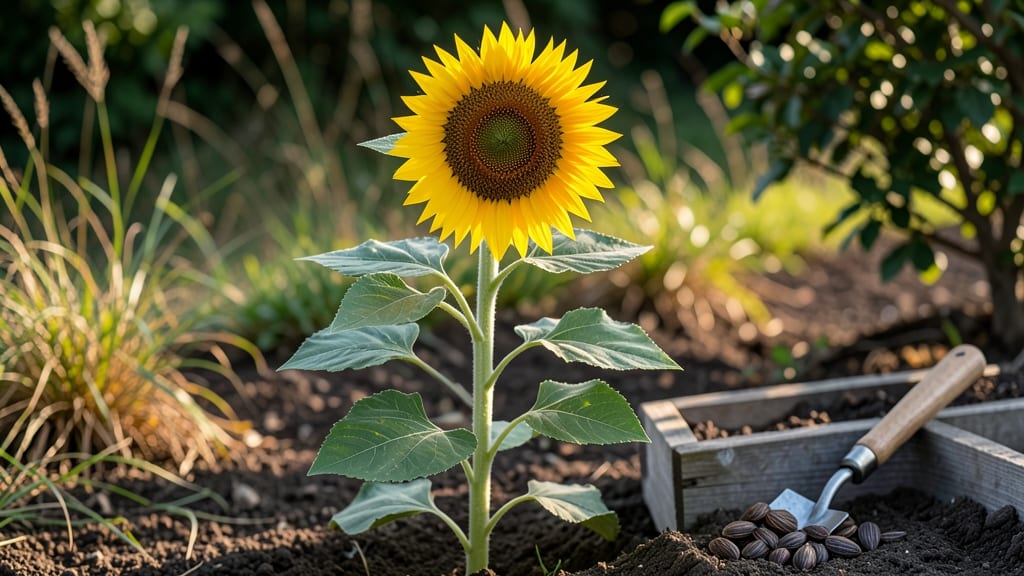
Plant sunflower seeds in Zone 6 after your last frost, typically between mid-April and early June, when soil temperatures hit 50°F or warmer.
Get the timing wrong, and you risk stunted growth or frost damage. Sunflowers aren’t just beautiful—they’re hardy, fast-growing plants that can thrive in Zone 6’s unpredictable climate if you plant them at the perfect time.
In this guide, you’ll discover the best planting windows for your region, how to adjust for soil temperature, and why succession planting can extend your blooms into fall.
Whether you’re growing dwarf varieties for cut flowers or towering giants for shade, these tips will help you maximize your harvest from July to October.

Optimal sunflower planting timeline in Zone 6 by soil temperature
Sunflowers in Zone 6 thrive when planted at the right soil temperature, typically between 50°F–60°F for germination. The key is balancing last frost dates (usually mid-April) with warm soil—cold soil delays sprouting.
I’ve planted sunflowers in both early spring and late spring, and the difference in growth speed is dramatic.
Your Zone 6 location matters: Northern Zone 6 (6a) has earlier frosts than Southern Zone 6 (6b), so adjust timing accordingly. For example, in Columbus, OH, last frost is April 15, while in Denver, CO, it’s May 1.
Use a soil thermometer to confirm readiness—55°F is ideal for most varieties.
Early spring planting (March–April) works for fast-maturing dwarf varieties like 'Teddy Bear' (50–60 days), but risks frost damage to young seedlings. Late spring planting (May–June) suits tall varieties like 'Russian Giant' (110–120 days), giving them time to establish before fall. I recommend starting with 60-day varieties in early spring for a July harvest.
Here’s how to align your planting with soil temperature and frost-free dates for Zone 6 success:
| Planting Window | Soil Temp Range (°F) | Last Frost Risk | Best Varieties | Expected Bloom Time |
|---|---|---|---|---|
| Early Spring (March 15–April 15) | 50°F–55°F | High (use row covers) | Dwarf ('Teddy Bear'), 'Autumn Beauty' | July–August |
| Late Spring (April 15–May 15) | 55°F–60°F | Low (post-frost) | Semi-dwarf ('ProCut'), 'Moulin Rouge' | August–September |
| Summer (May 15–June 15) | 60°F+ | None (safe for tall varieties) | Tall ('Russian Giant'), 'Mammoth' | September–October |
For succession planting, I recommend sowing new seeds every 2 weeks from April to June. This ensures continuous blooms from July through October. For example, plant 'Teddy Bear' in early April for July flowers, then 'Russian Giant' in late May for September blooms.
This staggered approach maximizes your sunflower display.
If you’re in Zone 6a (colder microclimates), wait until after May 1 to plant tall varieties. In Zone 6b (warmer areas), you can start as early as April 1 for dwarf types. Always monitor nighttime temperatures—if they dip below 40°F, protect seedlings with frost cloth.
Pro tip: Pre-soak seeds for 4–6 hours before planting to speed up germination in cooler soil. I’ve seen a 20% faster sprouting rate with this trick. Also, plant seeds 1 inch deep and 6 inches apart—crowding leads to weak stems and fewer blooms.
Use a moisture meter to ensure soil stays consistently damp (not soggy) during germination.
For container growing, use 5-gallon pots for tall varieties and plant by May 15 to avoid root-bound stress. Containers heat up faster, so check soil temps daily. If your soil stays below 50°F past May 1, consider using heat mats or a mini greenhouse to jumpstart growth.
Remember: Sunflowers love heat, so the later you plant, the taller and more robust they’ll grow. My 'Russian Giant' plants in June outperform those planted in April by 3 feet in height! Balance your goals—early blooms vs. giant stalks—and adjust accordingly.
How to adjust planting time for sunflower variety and growth speed
Not all sunflowers grow at the same speed or reach the same height, which means your planting timeline should change based on the variety you choose.
In Zone 6, where the growing season is short, timing is everything. Dwarf varieties like 'Teddy Bear' mature in just 50-60 days, while giant varieties like 'Russian Giant' take 100-120 days to reach their full height of 12-16 feet.
Adjusting your planting schedule ensures you get blooms all season long, even with limited space or time.
For dwarf sunflowers, you can plant seeds as early as mid-April (after the last frost) and even make a second planting in early July for late-summer blooms. These quick growers thrive in small gardens or containers and can even be harvested for seeds before frost arrives.
Meanwhile, tall varieties need to be planted by late April to early May to ensure they mature before the first frost in mid-October.
| Variety Type | Height Range | Days to Maturity | Best Planting Window (Zone 6) | Staggered Planting Tip |
|---|---|---|---|---|
| Dwarf (e.g., 'Teddy Bear') | 2-4 ft | 50-60 days | Mid-April to early July | Plant every 2 weeks for continuous blooms |
| Semi-Dwarf (e.g., 'Autumn Beauty') | 5-8 ft | 60-80 days | Late April to early June | Plant in batches for staggered harvest |
| Standard/Tall (e.g., 'Russian Giant') | 8-16 ft | 100-120 days | Late April to early May | Prioritize early planting for full growth |
To maximize your sunflower display, try succession planting. For example, plant dwarf varieties every 2 weeks from April through July. This creates a non-stop bloom from early summer through fall.
If you're growing tall sunflowers for cut flowers or seeds, focus on one planting in late April to give them enough time to mature before frost. Remember, sunflowers are photoperiod-sensitive, meaning they need long daylight hours to flower, so avoid planting too late in the season.
Another trick is to use microclimates in your garden. If you have a south-facing wall or a sunny spot near your house, those areas warm up faster and can support earlier plantings. For giant varieties, choose the warmest part of your garden to extend their growing season.
If you're unsure about your last frost date, use a frost calendar for your specific Zone 6 location—some areas may have later frosts than others.
Don’t forget that soil temperature plays a role too. Sunflower seeds germinate best in soil that’s at least 50°F. Use a soil thermometer to check before planting.
If your soil is still cold in early spring, wait a few weeks or use black plastic mulch to warm it up faster. This is especially helpful for tall varieties, which need a longer growing season to reach their full potential.
By adjusting your planting time based on variety and growth speed, you’ll enjoy sunflowers from summer through early fall in Zone 6. Whether you’re growing them for cut flowers, birdseed, or just beauty, the right timing ensures success every year. Happy planting! 🌻