
Flowers
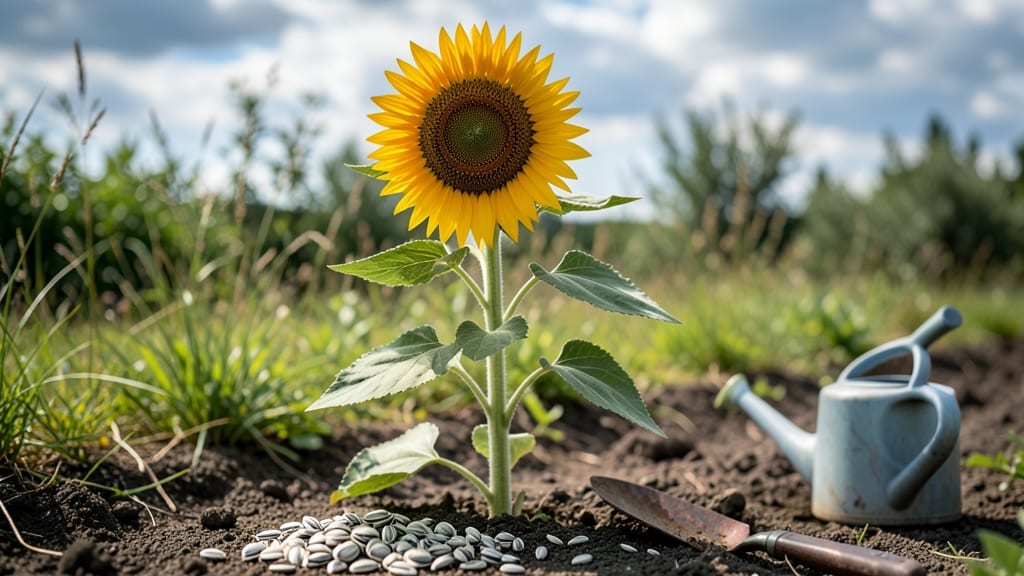
Planting sunflowers in Zone 8b at the right time ensures they reach their towering 10-foot potential before summer’s heat or late frosts cut them short.
Too early, and they’ll bolt into flower before the stems thicken; too late, and you’ll miss the 60-day window to harvest those iconic blooms. In Zone 8b, where winters are mild and summers scorching, timing is everything.
Most gardeners in this zone plant sunflowers in March or April for spring blooms or August to September for late-summer growth. But the exact dates depend on your variety—dwarf types need less time, while giants demand fast, cool soil to avoid stunted growth.
Below, I’ll break down the ideal planting windows, how to adjust for heat waves, and which sunflower types thrive in Zone 8b’s climate—so you can enjoy those bright faces from June through October.

Optimal planting dates for sunflowers in Zone 8b: a month-by-month breakdown
Sunflowers in Zone 8b love warmth but hate scorching heat, so timing is everything. The ideal planting window spans from mid-March to early April for spring blooms and late August to mid-September for fall harvests.
These dates balance soil warmth and daylight length, ensuring your sunflowers mature before first frost (typically December 15 in Zone 8b).
For giant varieties like 'Mammoth' or 'Russian Giant,' aim for early spring planting (March 15–April 1) to give them 100–120 days of growth before summer heat peaks. Dwarf varieties like 'Teddy Bear' or 'Sunspot' are more flexible, thriving with late summer plantings (August 1–September 15) for fall color. Bird-friendly types (e.g., 'Autumn Beauty') also perform well in late summer.
Soil temperature is critical—wait until the ground reaches 55–60°F (13–16°C) for spring plantings and 60–65°F (16–18°C) for fall plantings. Use a soil thermometer to avoid cold soil delays or heat stress.
In Zone 8b’s mild winters, early spring plantings can start as early as February 15 in sheltered microclimates, but frost risk lingers until March 1.
Here’s your month-by-month planting guide for Zone 8b, tailored to sunflower types and heat tolerance:
Planting in late spring (May) is risky—sunflowers bolt quickly in Zone 8b’s intense summer heat. If you miss the spring window, opt for late summer (August–September)
How to adjust sunflower planting for Zone 8b’s heat and frost risks
Zone 8b’s mild winters and intense summers create a tricky balance for sunflowers. If you plant too early, your seedlings will bolt from the heat, while late planting risks frost damage before maturity. The key is timing adjustments that extend your growing season naturally.
One of the biggest mistakes gardeners make is planting sunflowers too close to the summer solstice. By June, soil temperatures can exceed 90°F, shocking young plants. Instead, aim for late spring (April) or late summer (August) when temperatures stabilize.
🌡️ Critical Planting Warning for Zone 8b
Never plant sunflowers when soil temperatures exceed 85°F. Use a soil thermometer to check—ideal germination range is 60-75°F. In Zone 8b, this means avoiding May-July plantings unless you're using shade strategies.
To beat the heat, try succession planting with fast-maturing varieties like 'Moulin Rouge' (50 days to bloom). Start your first batch in mid-April when nights are still cool, then follow with 3-week intervals through July. This staggered approach ensures continuous blooms without overwhelming your garden.
For late summer plantings, focus on heat-tolerant varieties like 'Autumn Beauty', which thrives in 90°F+ conditions. Plant these in early August to give them 60-70 days of warm weather before the first frost. Always water deeply at the base to prevent bolting from heat stress.
Shade cloth is your secret weapon against Zone 8b’s intense afternoon sun. Use 30-50% shade cloth during the hottest months (June-August) to reduce soil temperature by 10-15°F. Remove it once temperatures drop below 85°F in late summer to encourage flowering.
Consistent soil moisture is non-negotiable in Zone 8b. Sunflowers need 1-2 inches of water weekly, but deep watering is better than frequent shallow soaks. Let the top 2 inches of soil dry between waterings to prevent fungal diseases like powdery mildew, which thrives in humid Zone 8b summers.
Finally, mulch with straw or wood chips to maintain even soil temperatures. A 3-inch mulch layer keeps roots cool in summer and insulated in winter. This simple step can extend your sunflower’s growing season by 2-3 weeks on either end.