
Trees
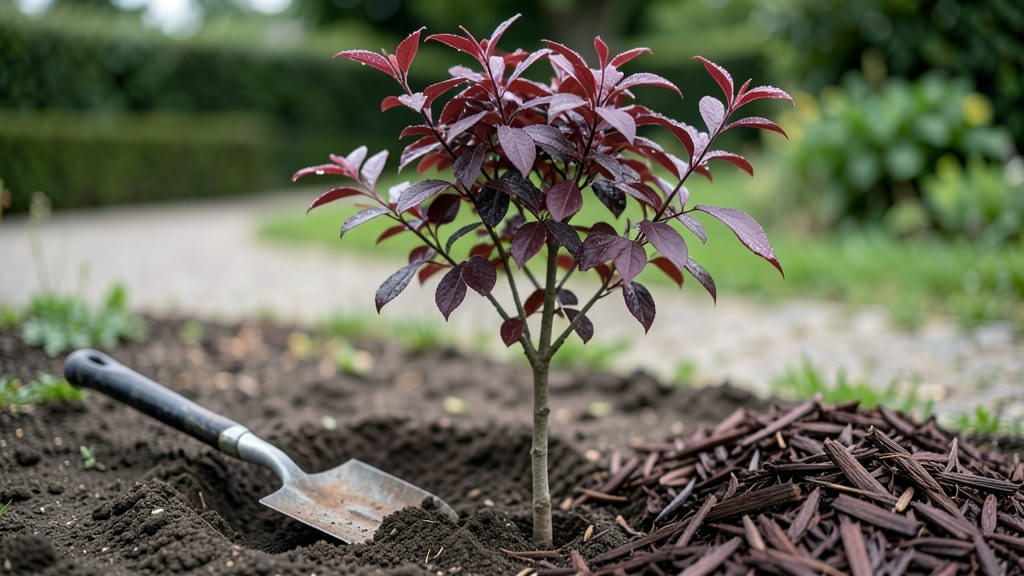
Planting trees in Zone 7 during the right months is the difference between a thriving 🌳 and a struggling sapling that never makes it past the first year.
If you’ve ever watched a newly planted tree wilt under summer heat or freeze in a late frost, you know timing matters more than most gardeners realize. The best window for planting in Zone 7 isn’t just "spring or fall"—it’s about soil temperature, rainfall, and species-specific needs.
In this guide, I’ll break down the best months for planting trees in Zone 7, how to adjust for your microclimate, and the critical mistakes that kill young trees before they even take root.
By the end, you’ll know exactly when to dig that hole—whether you’re planting a shade tree, fruit-bearing variety, or evergreen—and how to give your new tree the strongest start possible.

Optimal planting months for trees in Zone 7 by species type
Zone 7 gardeners have a 6-8 week window each year to plant trees for maximum success. The key is choosing the right species-specific timing—whether you're planting deciduous oaks, evergreen pines, or fruit-bearing cherries.
Fall planting dominates because cooler temps reduce transplant shock, while spring works best for container-grown trees that need to establish roots before summer heat.
For bare-root trees, fall is ideal because they enter dormancy naturally.
Container-grown trees, however, can go in early spring (March-April) as soon as soil workable. Evergreens like spruces and firs prefer fall planting to avoid summer drought stress, while fruit trees benefit from early spring planting to sync with bud break.
Here's a quick reference for Zone 7 planting windows by tree type:
| Tree Type | Best Planting Months | Key Considerations | Soil Temp Requirement |
|---|---|---|---|
| Deciduous Trees (Oak, Maple, Birch) | September-October March-April |
Bare-root best in fall; container-grown in spring. Avoid planting when soil temps exceed 60°F. | 50-60°F (fall) 55-65°F (spring) |
| Evergreen Trees (Pine, Spruce, Fir) | September-November | Fall only—evergreens need winter dormancy. Water deeply before first frost. | 50-55°F (before frost) |
| Fruit Trees (Apple, Cherry, Peach) | March-April November |
Early spring for root flush; fall for bare-root. Avoid late spring planting (risk of heat stress). | 55-65°F (spring) 50°F (fall) |
| Shade Trees (Crape Myrtle, Linden) | October-November March |
Fall preferred for deep root establishment. Spring planting requires consistent watering. | 50-60°F (fall) 60°F+ (spring) |
| Ornamental Trees (Dogwood, Magnolia) | September-October February-March |
Fall for bare-root; late winter for container-grown. Mulch heavily after planting. | 50-58°F (fall) 55°F+ (spring) |
Spring planting (March-April) works best for container-grown trees because their root systems are already established. The soil should be workable but not frozen—aim for 55°F+ temperatures. For bare-root trees, fall is critical as they enter dormancy naturally, reducing transplant shock.
Evergreens like eastern red cedar or blue spruce must be planted in fall only—their shallow roots can't handle summer drought.
I've seen many gardeners struggle when they plant evergreens in spring, only to watch them wilt by July. Fruit trees like peach or apple need early spring planting to sync with their natural growth cycle.
Microclimates matter too! If you live in a warmer microclimate (like near water bodies), extend fall planting to early November. In cooler pockets, start spring planting by late February. Always check your last frost date—Zone 7 averages April 15, but local variations exist.
Pro tip: Amend your planting hole with compost or aged manure to improve drainage. For large trees, consider a soil probe test to check moisture levels—dry soil in spring can delay root growth by weeks. Water deeply after planting, then mulch with 3-4 inches of wood chips to retain moisture.
Remember, fall planting gives roots 6-8 weeks to establish before winter dormancy, while spring planting requires immediate watering as temps rise. Both methods work—just match the timing to your tree type and local climate. The right window means stronger roots and healthier growth for decades to come. 🌳
How soil temperature and rainfall affect tree planting success in Zone 7
In Zone 7, soil temperature and rainfall play pivotal roles in determining whether your newly planted trees thrive or struggle. The ideal soil temperature for planting most trees ranges between 50-60°F, allowing roots to establish without stress.
This window typically aligns with early spring (March-April) or fall (September-November), when the ground is warm enough but not scorching.
Rainfall patterns also influence success—too little can dry out roots, while excessive moisture can suffocate them. In Zone 7, consistent rainfall of 1-2 inches per week is ideal during the growing season.
If your area experiences drought, you’ll need to supplement with deep watering to keep the soil evenly moist but not waterlogged.
Understanding these factors helps you prepare the planting site. For example, amending clay soil with compost improves drainage, while mulching retains moisture and regulates soil temperature. These adjustments are critical for species like oak trees or maples, which are sensitive to soil conditions.
Planting trees when soil temps are below 50°F or above 80°F can shock roots and stunt growth. In Zone 7, avoid planting in late spring (May-June) when heat spikes, or in winter (December-February) when frost risks damage.
Check soil temps with a soil thermometer—wait until conditions stabilize for best results.
Different tree types also have unique needs. Evergreens, like pine or spruce, prefer cooler soil temps (ideal at 55-60°F) and benefit from well-draining soil to prevent root rot. Meanwhile, deciduous trees, such as cherry or birch, tolerate a broader range (50-65°F) and thrive with moderate rainfall.
To maximize success, test your soil’s moisture retention and adjust planting timing based on local weather forecasts. For instance, if fall rains are scarce, schedule planting in September when soil stays moist longer.
Conversely, spring planting in April works well if you’ve prepped the soil with organic matter to retain moisture.
Monitor rainfall patterns for at least 30 days post-planting. If drought hits, water deeply once a week to encourage root growth. Conversely, if heavy rains follow planting, ensure the soil drains well to avoid waterlogged roots, which can lead to fungal diseases.
By aligning planting with soil warmth and rainfall patterns, you’ll give your trees the best chance to establish strong roots and flourish for decades. Paying attention to these details transforms a guesswork project into a guaranteed success—no matter the species. 🌳💧☀️