
Vegetables
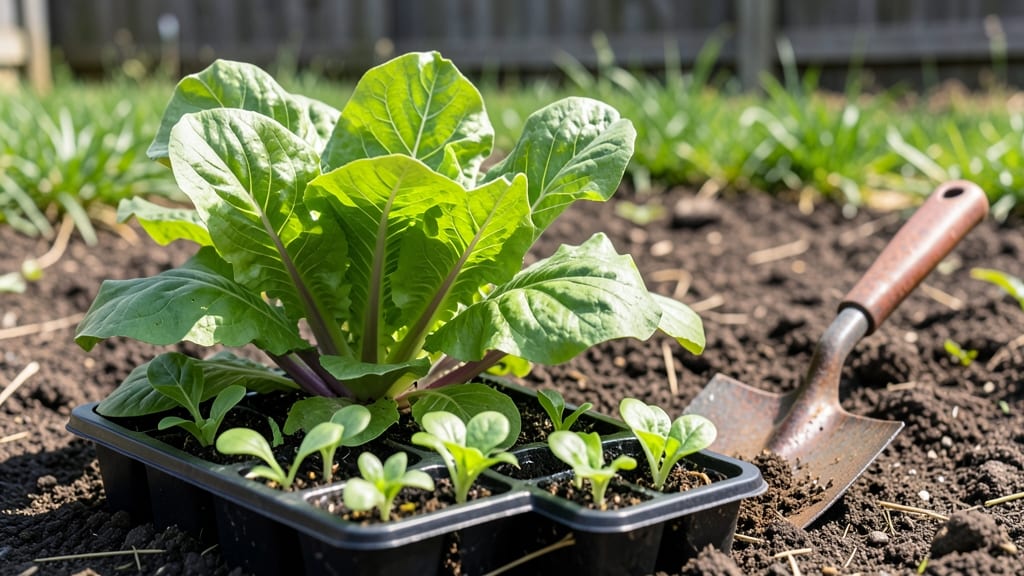
To plant vegetables in Zone 5, timing is everything—get it right, and you’ll enjoy a bountiful harvest; miss it, and those seeds might as well be confetti.
Missed planting season in Zone 5? Don’t panic—timing your vegetable crops by their frost tolerance can mean the difference between a thriving harvest and a wasted seed packet.
Whether you’re sowing hardy greens in early spring or heat-loving tomatoes after the last frost, knowing the exact window is the key to success.
In Zone 5, where last frosts linger into May and first frosts arrive by October, the right schedule keeps your garden productive year-round. Cool-season crops like spinach and peas thrive in spring’s chill, while tomatoes and peppers need warm soil to take off.
I’ll break down the exact months to plant each variety, so you can avoid the common mistakes that leave gardens empty.
Ready to transform your plot? You’ll learn when to start seeds indoors, how to adjust for regional variations, and even how to extend your growing season into fall. Let’s get those 🌱 vegetables in the ground at the perfect time.

Zone 5 planting calendar: exact months for cool-season vegetables by variety
Zone 5 gardeners know that timing is everything when it comes to cool-season vegetables. These frost-tolerant crops like spinach, peas, broccoli, and kale thrive when planted at just the right moment.
The key is understanding your last frost date—typically around April 15-30 in most of Zone 5—and adjusting for soil temperatures that are at least 40°F (4°C) for safe planting.
I’ve planted these same varieties for years, and I’ve learned that succession planting every 2-3 weeks after the initial sowing ensures a continuous harvest. For example, lettuce and radishes can be sown every 10-14 days for a steady supply.
The goal? Beat the heat and maximize your garden’s potential before summer sets in.
For spinach and lettuce, I always start seeds indoors in late February if I want an early jump on the season. These leafy greens are cold-hardy and can even survive light frosts, but they’ll bolt—flower prematurely—if temperatures rise above 75°F (24°C).
To prevent this, I use shade cloth during hot afternoons in late spring.
When planting broccoli and kale, I focus on the soil temperature being at least 45°F (7°C). These brassicas need consistent moisture, so I mulch heavily with straw to retain soil moisture and deter weeds.
A 2-inch layer of mulch keeps the roots cool and hydrated, which is critical during Zone 5’s unpredictable spring weather.
Don’t overlook succession planting for peas and radishes. These fast-growing crops can be sown every 2-3 weeks until early summer. For example, I plant radishes every 10 days from March through June to ensure a steady supply.
The secret? Keep the soil evenly moist and thin seedlings to 2 inches apart to prevent overcrowding.
If you’re new to Zone 5 gardening, mark your calendar for April 15 as your last frost date benchmark. This is when you can safely plant <
Warm-season vegetable planting schedule: when to start seeds indoors vs. direct-sow in Zone 5
Zone 5 gardeners know timing is everything for warm-season crops like tomatoes, peppers, and cucumbers. These heat-lovers need soil temperatures above 70°F to thrive, which means starting indoors or waiting for the perfect outdoor window.
The key? Balance your last frost date (typically mid-May) with soil warmth and seed maturity.
For tomatoes and peppers, I always begin seeds indoors 6-8 weeks before transplanting—that’s early March in Zone 5. These plants are sensitive to cold and need a head start.
Meanwhile, beans and squash are more forgiving and can handle direct sowing once soil hits 60°F+, usually by late May.
Soil temperature is your best friend here. Use a soil thermometer to confirm 70°F+ before planting heat-lovers like cucumbers or eggplant. In Zone 5, this often means waiting until early June for direct sowing. For short-season varieties, like bush beans, you can push the timeline slightly earlier.
| Vegetable | Start Indoors | Direct Sow | Transplant Out | Soil Temp |
|---|---|---|---|---|
| Tomatoes | March 1-15 | Not recommended | May 15-30 | 70°F+ |
| Peppers | March 15-April 1 | Not recommended | May 20-June 1 | 75°F+ |
| Cucumbers | April 15-May 1 | May 20-June 1 | N/A | 65°F+ |
| Beans | Not needed | May 15-June 15 | N/A | 60°F+ |
| Squash | April 15-May 1 | May 20-June 1 | N/A | 70°F+ |
Don’t forget to harden off seedlings before transplanting—this means gradually exposing them to outdoor conditions over 7-10 days starting two weeks before your target move date. I always place trays outside during the day and bring them in at night.
For peppers, which are especially sensitive, I even cover them with frost cloth during the first few nights.
If you’re growing short-season varieties, like bush beans or zucchini, you can stretch your timeline by planting late May and using row covers to protect against unexpected frosts. These varieties mature quickly (50-60 days), so they’re perfect for Zone 5’s shorter growing window.
Pro tip: Use black plastic mulch to warm soil faster for cucumbers and squash. This can shave off 1-2 weeks of waiting time by raising soil temps 5-10°F. Just remember to remove it before harvest to avoid soil contamination.