
Vegetables
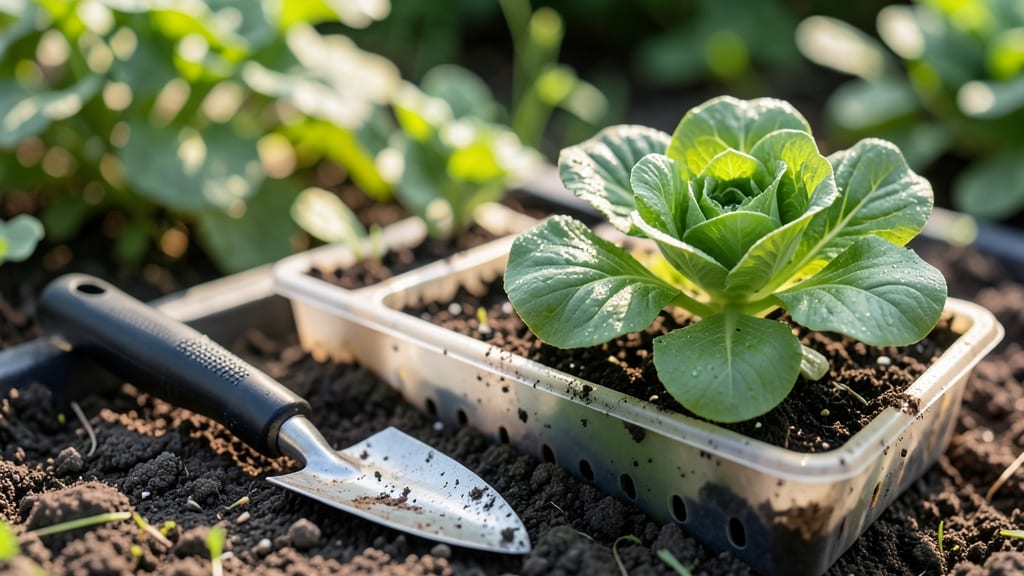
Planting vegetables in Zone 7a at the right time means the difference between a garden full of lush 🥕 greens and a sad, half-baked experiment.
Missed planting dates in Zone 7A can mean the difference between a bountiful harvest and wasted seeds—here’s your exact planting schedule to maximize success.
Most gardeners in 7a know the basics: cool-season crops like lettuce and broccoli go in early, while tomatoes and peppers wait for warmer soil. But the exact timing—especially around frost dates—is where many run into trouble.
Below, I break down the month-by-month schedule for both cool-season and warm-season vegetables, so you can plan ahead and avoid common mistakes that kill yields.

Zone 7A planting calendar: exact dates for cool-season and warm-season vegetables
Timing is everything in gardening, especially in Zone 7A where last frost dates average around March 15 and first frost typically arrives November 15. Missing these windows can mean the difference between a thriving harvest and wasted seeds.
My exact planting schedule below aligns with soil temperatures and seasonal shifts to maximize your garden's potential.
Cool-season vegetables like lettuce and broccoli thrive in 50–65°F soil, while warm-season crops such as tomatoes and peppers need 60–85°F to germinate. I’ve structured this calendar to include both direct sowing and transplanting dates, so you can plan ahead for seedlings or start seeds indoors.
| Plant Type | Direct Sowing | Transplant | Soil Temp (°F) | Notes |
|---|---|---|---|---|
| Cool-Season Veggies (Lettuce, Spinach, Kale, Broccoli, Cabbage) | Feb 15–March 31 Sept 1–Oct 15 |
March 1–April 15 Aug 15–Sept 15 |
50–65°F | Use row covers for early/late plantings |
| Warm-Season Veggies (Tomatoes, Peppers, Eggplant, Cucumbers) | April 15–May 15 | April 15–May 15 (after last frost) | 60–85°F | Harden off seedlings before transplanting |
| Root Crops (Carrots, Beets, Radishes) | March 1–April 15 Aug 15–Sept 30 |
N/A (direct sow) | 55–75°F | Loose soil prevents forking |
| Legumes (Peas, Beans, Soybeans) | March 15–April 15 July 1–Aug 15 |
N/A (direct sow) | 55–80°F | Peas tolerate light frost |
| Onions & Garlic | Feb 1–March 15 Aug 1–Sept 15 |
N/A (plant sets/cloves) | 40–60°F | Plant sets in spring, cloves in fall |
For cool-season crops, start planting 4–6 weeks before your last frost date—this means February 15 for early varieties like spinach or kale. If you’re growing broccoli or cabbage, transplant seedlings around March 1 for a head start.
In late summer, repeat the process for a fall harvest by planting between August 15–September 15.
Warm-season vegetables demand patience—wait until soil temperatures consistently reach 60°F, typically around April 15 in Zone 7A. Tomatoes and peppers are heat lovers, so avoid transplanting until two weeks after your last frost. Use black plastic mulch to warm the soil faster if needed.
Don’t overlook succession planting for continuous harvests. For example, sow lettuce every 2–3 weeks from February through September to enjoy fresh leaves year-round. Similarly, radishes mature in just 30 days, making them perfect for quick turnarounds between plantings.
Monitor your local microclimate—areas near water or hills may frost earlier or later than average. If frost threatens, use row covers or cold frames to protect tender seedlings. For warm-season crops, extend the season by planting heat-tolerant varieties like Malagueta peppers or <
How to adjust planting times for early, mid-season, and late varieties in Zone 7A
Staggering your plantings is the secret to a continuous harvest in Zone 7A. By choosing early, mid-season, and late varieties, you can extend your growing season and avoid gluts of produce.
This technique works especially well for leafy greens, tomatoes, and beans, where timing directly impacts flavor and yield.
Start by identifying your last frost date (March 15) and first frost date (November 15) in Zone 7A. Then, select varieties with different maturity times—early varieties (45–60 days), mid-season (60–75 days), and late varieties (75+ days).
For example, plant bush beans in early April, again in late May, and finally in early July for a staggered harvest.
- 1. Plant early varieties 4–6 weeks before last frost (e.g., spinach, peas in early March). Use row covers for extra protection.
- 2. Sow mid-season crops 2–4 weeks after last frost (e.g., tomatoes, peppers in mid-April). Monitor soil temps—wait until 60°F+.
- 3. Direct-sow late varieties 6–8 weeks before first frost (e.g., kale, carrots in late July). Use cold frames to delay frost damage.
- 4. For succession planting, sow fast-growing crops (e.g., radishes, lettuce) every 2–3 weeks until 6 weeks before first frost.
- 5. Use row covers or cold frames to extend early spring and late fall plantings by 2–4 weeks. Ideal for cabbage, broccoli.
For warm-season crops like tomatoes and peppers, stagger plantings every 3–4 weeks after your last frost. This ensures you’re always harvesting ripe fruit instead of dealing with a sudden glut. For example, plant early tomatoes in mid-April, mid-season in late May, and late varieties in early July.
Don’t overlook cool-season crops for fall planting. Start late varieties of lettuce or kale in early August to harvest before frost. Use mulch to protect roots and maintain soil warmth. This method works wonders for broccoli and Brussels sprouts, which taste sweeter after a light frost.
Pro tip: Keep a gardening journal to track which varieties thrive with your staggered plantings. Note soil conditions, weather anomalies, and harvest dates. Over time, you’ll refine your schedule to match your Zone 7A microclimate perfectly. With practice, you’ll enjoy fresh produce from early spring to late fall! 🌱