
Vegetables
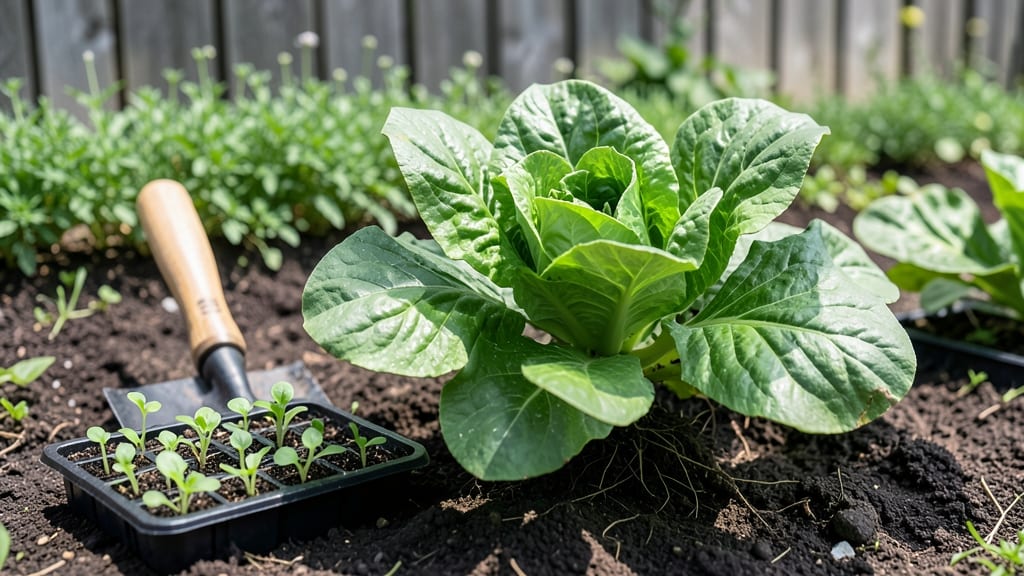
Planting vegetables in Zone 7B at the right time ensures a bountiful harvest—miss the window, and your tomatoes or peppers might bolt before fruiting.
Timing your vegetable planting in Zone 7B can mean the difference between a thriving garden and a disappointing harvest. Get it wrong, and your tomatoes or peppers might bolt before fruiting, leaving you with nothing but frustration.
But with precise dates tailored to your microclimate, you can maximize yields and avoid common pitfalls.
In this guide, I’ll break down the exact planting schedule for cool-season and warm-season vegetables, including when to start seeds indoors, transplant seedlings, and even plan for fall crops. Whether you’re growing leafy greens in early spring or heat-loving peppers in summer, knowing the right time is key to success.
You’ll also discover how to adjust for local variations—like elevation or urban heat islands—and learn from the most common mistakes gardeners in Zone 7B make. By the end, you’ll have a foolproof plan to time your plantings perfectly and enjoy a garden that keeps producing all season.

Zone 7B planting calendar: exact dates for cool-season and warm-season vegetables
Mastering the Zone 7B planting calendar ensures your cool-season crops thrive in spring and fall while warm-season vegetables flourish during summer’s heat. In this zone, the average last frost date typically falls between March 15–April 15, while the first frost arrives around November 15–December 15.
These dates create a 180–210 day growing window, perfect for planning succession plantings.
Your success hinges on soil temperature and microclimate nuances. For example, peppers and tomatoes need soil temps above 60°F before transplanting, while leafy greens like spinach tolerate cooler 40–50°F soil.
Below, I’ve broken down exact planting windows for 12 essential vegetables, including succession planting tips to stretch harvests all season long.