
Flowers
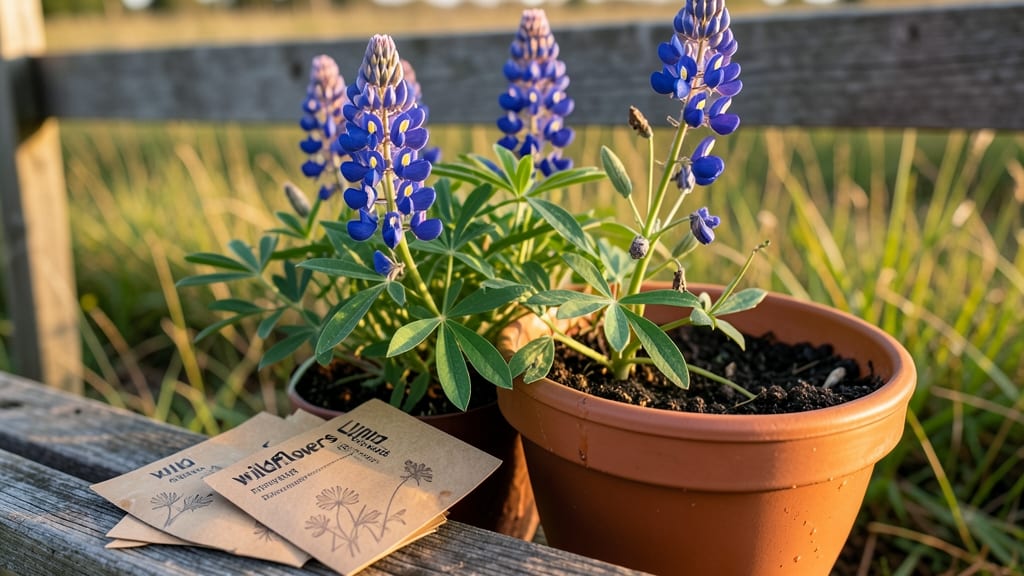
Planting wildflowers in Zone 8 at the wrong time can mean waiting months for those vibrant blooms you dream of.
Wildflowers 🌼 transform any landscape into a buzzing, colorful paradise—but only if you time it right. Skip the ideal windows, and you might end up with patchy growth or flowers that never fully open.
The key is knowing whether to sow seeds in early spring or fall, and how to align your planting with Zone 8’s unique climate quirks.
Here’s what you need to know: the best months for planting wildflowers in Zone 8, how to prep your soil for fast germination, and why some seed mixes outperform others in your region.
Whether you’re planting native perennials or fast-blooming annuals, these tips will help you skip the guesswork and enjoy lush, long-lasting color all season.
From avoiding late frosts to leveraging fall rains, I’ll walk you through the exact steps to turn your garden into a wildflower haven—without the trial-and-error.

Best months to plant wildflowers in Zone 8 for season-long blooms
Zone 8 offers a perfect climate for wildflowers, with long growing seasons and moderate rainfall—but timing matters. Planting at the wrong time can delay blooms or leave you with patchy color.
The best windows are early spring and fall, when soil temperatures are ideal for germination and summer heat hasn’t arrived yet.
Annual wildflowers like cosmos and zinnia thrive when sown after the last frost, while perennial varieties (such as black-eyed Susan) benefit from fall planting. Understanding these differences ensures your garden bursts with color from spring through fall.
Zone 8’s microclimates (coastal vs. inland) also play a role. Coastal areas stay cooler longer, extending the planting season, while inland zones may need earlier starts. Aligning your planting schedule with local rainfall patterns—like planting in September for winter moisture—can reduce irrigation needs.
🌼 Comparison Table: Best Planting Windows for Zone 8 Wildflowers
| Plant Type | Best Planting Months | Why This Timing? | Rainfall Alignment |
|---|---|---|---|
| Annual Wildflowers | March–April | Germinates before summer heat; blooms by summer. | Spring rains support early growth. |
| Perennial Wildflowers | September–October | Establishes roots before winter; blooms next spring. | Fall rains aid root development. |
| Summer-Blooming Annuals | Late April–May | Avoids frost; blooms in peak summer. | Early summer showers sustain growth. |
| Native Wildflowers | February–March | Early start leverages natural pollinator cycles. | Winter rains soften soil for sowing. |
🌱 Tip: Coastal Zone 8 areas can extend spring planting to May.
Spring planting (March–April) is ideal for annual wildflowers because soil temperatures are consistently warm but not yet scorching. This timing ensures seeds germinate quickly, giving plants a head start before summer’s peak heat. For perennials, fall planting (September–October) allows roots to establish without competing with summer’s heat.
If you’re aiming for continuous blooms, stagger your planting. Start with cool-season annuals (like lupine) in March, then add summer favorites (such as sunflowers) in May. This creates a non-stop color show from spring to frost.
Zone 8’s rainfall patterns are key to success. Inland areas may need supplemental watering in late spring, while coastal regions often receive enough natural rainfall. Always check your local forecast—planting in September ensures winter rains will help seeds settle into the soil.
For native wildflowers, timing aligns with pollinators’ natural cycles. Planting in February–March ensures early blooms for bees and butterflies. Non-native varieties can be planted slightly later, but native mixes always outperform in drought conditions.
Pro tip: Scarify seeds (lightly scratch the seed coat) for better germination, especially in dry summershula hoop or rake to create shallow furrows, then cover seeds with 1/4 inch of soil. This mimics natural conditions and improves success rates.
Remember, Zone 8’s last frost typically occurs around March 15, but coastal areas may be frost-free by February 28. Always check your local frost dates and adjust planting accordingly to avoid frost damage.
With the right timing, your Zone 8 wildflower garden will thrive year after year, attracting pollinators and adding vibrant color to your landscape. Start with these optimal windows, and you’ll enjoy blooms from spring through fall! 🌻
How to choose wildflower seed mixes for Zone 8 planting success
Selecting the right wildflower seed mix for your Zone 8 garden can mean the difference between a sparse, short-lived display and a lush, pollinator-friendly meadow that blooms from spring to fall. With coastal vs. inland microclimates and varying rainfall patterns, your choices should align with your local conditions.
Start by identifying whether your garden experiences dry summers or humid coastal breezes, as this determines drought-tolerant vs. moisture-loving varieties.
Native wildflowers are your best bet for low-maintenance success in Zone 8, as they’ve evolved to thrive in local soil and climate. Look for mixes featuring California poppies, black-eyed Susans, and purple coneflowers, which handle heat and drought like pros.
Non-native annuals like cosmos and zinnias add vibrant color but may require more water. For year-round interest, blend early bloomers like lupines with late-season asters.
Bloom time coordination is key to avoiding "bloom gaps" where your garden looks bare. Aim for a mix with 3-4 month succession, starting with early spring bloomers like lupines and phlox, followed by summer favorites like sunflowers and gaillardia, and finishing with fall asters and goldenrods. Check seed packets for days-to-bloom estimates and stagger planting dates if needed.
🌱 Top Wildflower Seed Mixes for Zone 8 Gardens
- 🌵 Drought-Tolerant Mix: California Gold (Poppies, Buckwheat, Lupines) – Thrives in inland Zone 8 with minimal water after establishment.
- 🌊 Coastal-Friendly Mix: Seaside Serenade (Checkerbloom, Yarrow, Beach Evening Primrose) – Handles salty air and coastal fog beautifully.
- 🐝 Pollinator Paradise: Butterfly’s Delight (Coneflowers, Milkweed, Bee Balm) – Attracts monarchs, bees, and hummingbirds year-round.
- 🌻 Long-Bloom Season: Sunny Meadow (Zinnias, Cosmos, Sunflowers) – Provides spring-to-fall color with minimal care.
- 🌿 Native Perennial: Wildflower Evergreen (Blanket Flower, Salvia, Penstemon) – Returns year after year with deep roots.
For inland Zone 8 gardens, prioritize seed mixes labeled "drought-tolerant" or "low-water", as summers can bring 100°F+ temperatures. Brands like American Meadows and Wildflower Farm offer region-specific blends with precise seed ratios for optimal germination.
If you’re near the coast, seek out saline-tolerant varieties like beach evening primrose or seaside daisies.
Always read the fine print on seed packets—some mixes contain invasive species like cheatgrass, which can crowd out natives. Opt for certified wildflower mixes from reputable suppliers, and consider adding 10-15% native grass seed (like blue grama) to stabilize soil and reduce erosion.
A little extra effort here pays off with hardier, longer-lasting blooms.
Pro tip: Test a small patch (10x10 feet) with your chosen mix before committing to a large area. This lets you adjust watering needs and refine bloom timing before scaling up. Once established, most Zone 8 wildflowers need only occasional watering, making them the ultimate low-maintenance garden solution.