
Pruning
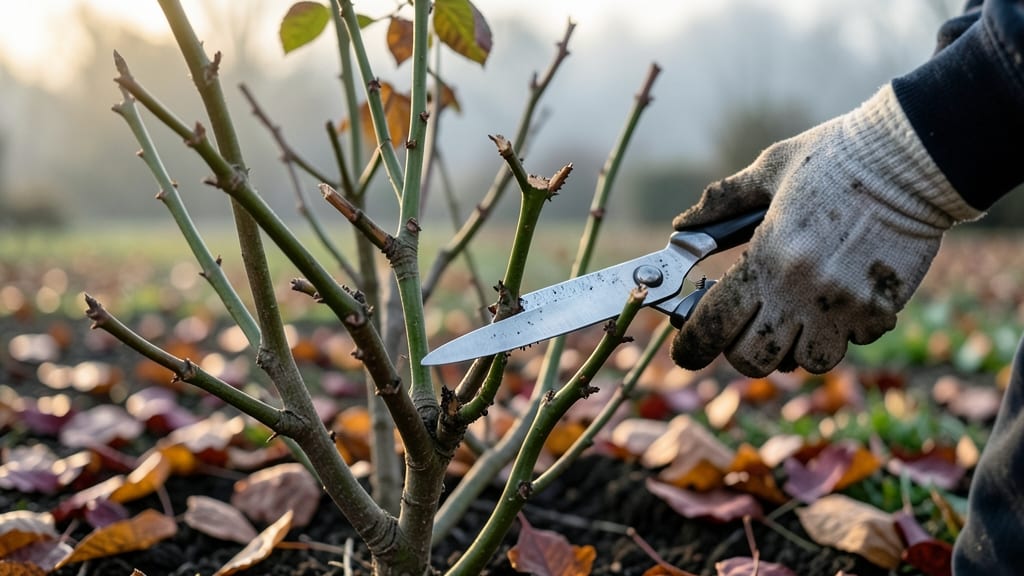
Pruning roses at the wrong time in Zone 8 can stifle blooms or invite disease. These exact pruning windows—aligned with frost-free periods—ensure your roses thrive with vibrant, continuous flowers all season.
Late Winter Dormant Pruning Before Bud Swell

If your hybrid teas and floribundas look like tangled messes after winter, late winter dormant pruning is your secret weapon. This is the perfect time to reshape your roses before buds swell—typically between mid-February and early March in Zone 8—when the soil is workable but no new growth has started.
Focus on removing all dead, diseased, or crossing canes first, then cut back remaining stems to an outward-facing bud (about 1/3 of the plant’s height). Sterilize your shears with rubbing alcohol between cuts to prevent spreading rose diseases like black spot. This early prune also improves airflow, reducing humidity buildup that fuels fungal issues later in the season.
This method is especially valuable for gardeners with limited time—it sets your roses up for healthier blooms all season with minimal ongoing maintenance. Perfect for those who want to tackle pruning once and forget it until summer! ✨
Early Spring After First Frost Risk Passes

If your climbing roses or ramblers are tangled like a jungle, early spring pruning is your chance to restore order—just don’t wait too long! This is the perfect window to prune after the last frost when buds begin to swell but before leaves emerge, ensuring you avoid damaging tender new growth.
Focus on removing crossing or weak canes while shaping the plant to encourage upward growth for climbers. For ramblers, prune selectively to maintain an open structure that allows sunlight to reach the center. This light pruning stimulates vigorous growth without overstressing the plant, setting the stage for a spectacular bloom season.
Gardeners with vertical spaces or trellises will especially benefit from this timing, as it promotes strong, upward growth that maximizes your garden’s vertical real estate. 🌻
Mid-February Pruning for Repeat Bloomers

If your Knock Out roses look a little worse for wear after winter, mid-February is the perfect time for a gentle pruning boost. This light trim removes damaged canes while encouraging early spring blooms—without pushing the plant into premature growth that could be nipped by late frosts.
Focus on cutting back only the dead or broken stems, then shape the bush by trimming back the longest canes by about one-third. Avoid heavy pruning—this variety blooms on new wood, so you want to preserve as many healthy buds as possible. Sterilize your tools with rubbing alcohol to prevent disease spread, and dispose of any diseased canes immediately.
This approach is ideal for Zone 8 gardeners who want vibrant blooms without the risk of overstimulating growth too early. It’s especially helpful for those with busy schedules—just 15 minutes of work in mid-February can set your roses up for a spectacular spring display. 🌻
Post-Bloom Summer Pruning for Continuous Flowers

Want your floribundas to burst into color again in fall? July isn’t just a mid-summer lull—it’s your secret weapon for extending the blooming season. A strategic prune now redirects energy from fading summer flowers to fresh fall growth, while also improving airflow to prevent disease.
Start by deadheading spent blooms all summer, but in July, take it a step further: cut back one-third of the oldest canes to the ground. This keeps your bush compact and encourages new growth from the base. Always prune just above an outward-facing bud, and sterilize your tools to prevent bacterial infections. The result? A second wave of blooms that lasts well into October.
This method is especially valuable for Zone 8 gardeners who want to maximize their rose season without heavy winter pruning. Just 20 minutes of focused work in July can mean weeks of extra color in your garden. 🌻
Late Summer Deadheading for Hybrid Teas

If your hybrid tea roses seem to fizzle out by late summer, a simple late-season pruning trick can reignite their blooms. This isn’t just about tidying up—it’s about stopping seed formation to redirect energy into one final burst of flowers before winter sets in.
After blooms fade in late August, use clean shears to cut stems just above a 5-leaflet leaf (the leaf with five leaflets). This precise cut prevents seed pods from forming while encouraging new growth. Focus on spent blooms and weak stems, but avoid heavy pruning—you’re not reshaping the bush, just giving it a second chance. This method works best for hybrid teas, which often struggle to rebloom later in the season.
Gardeners in Zone 8 with limited space will love this trick—it maximizes blooms without requiring extra water or fertilizer. Just 10 minutes of deadheading in late summer can mean weeks of extra flowers before frost. 🌻
October Light Pruning for Winter Hardiness

As the leaves begin their autumn dance and temperatures dip, your roses are preparing for their winter slumber—but they still need a little help. October’s light pruning is your chance to reduce stress on your bushes, ensuring they enter dormancy strong and healthy, without inviting pests or frost damage.
Focus only on removing diseased canes (blackened or mushy stems) and crossing branches that rub together, creating wounds where pests can hide. Avoid heavy cuts—this isn’t the time to reshape your roses. Instead, make clean cuts just above an outward-facing bud, keeping the plant’s energy focused on root strengthening. This minimal approach prevents late-season stress and gives your roses a fighting chance against winter’s chill. 🌱
February Pruning for Disease-Prone Varieties

If your roses sport dark, irregular spots on leaves or canes, February is your best chance to stop black spot fungus before it takes over. This aggressive disease thrives in spring rains, so pruning in February removes infected canes while plants are still dormant, cutting off the fungal food source.
Start by sterilizing your pruners with rubbing alcohol between cuts to prevent cross-contamination. Focus on removing any canes with black spots, lesions, or dead wood**, cutting back to healthy growth. Dispose of infected material in the trash (not compost) to stop spores from spreading. For heavily affected bushes, aim to remove up to 1/3 of the oldest canes to improve airflow and reduce future infection risks.
This early intervention gives disease-prone varieties like 'Black Baccara' or 'Double Delight' a fighting chance at a healthy spring. Gardeners in Zone 8 with wet climates will see the biggest benefits from this proactive approach. ✨
April Pruning for New Plantings

If you’ve just planted roses this year, resist the urge to prune heavily—your new first-year roses need patience, not aggressive cuts. April is the perfect time for a gentle touch, focusing only on what’s truly damaged to avoid stressing delicate root systems still settling in.
Limit yourself to removing dead, broken, or diseased canes—no shaping or heavy trimming. Use clean, sharp shears to make cuts just above an outward-facing bud, and avoid pruning more than 10-15% of the plant. This minimal approach lets the roots establish before encouraging blooms, setting your roses up for stronger growth next season.
This light pruning is especially helpful for urban gardeners with limited space or beginners nervous about over-pruning. By April, your roses will reward you with healthier stems and more vibrant blooms later in the year. 🌱
July Trimming for Climbing Roses

Want your climbing roses to reach new heights this season? July is the perfect time to prune side shoots and channel energy upward—creating a stunning vertical display of blooms. This mid-summer trim redirects growth to the main canes, which you can then secure to trellises for dramatic, eye-catching results.
Focus on removing side shoots that grow parallel to the trellis, cutting just above an outward-facing bud. Avoid heavy pruning—aim to remove no more than one-third of the plant’s foliage to prevent stress. After trimming, tie the remaining main canes to the trellis with soft plant ties, spacing them evenly for balanced growth.
This technique is especially valuable for gardeners with limited space, as it maximizes vertical growth while keeping your roses healthy and blooming through fall. 🌻
November Final Pruning for Winter Protection

November’s final rose pruning isn’t just about tidying up—it’s your last chance to shield your bushes from winter winds and frost damage before dormancy sets in. This late-season cut removes all dead wood and reshapes canes to create a more compact, wind-resistant form, while also preventing pests from hiding in thick foliage.
Start by cutting back any blackened or broken canes to healthy growth, then angle cuts just above an outward-facing bud. The real magic happens next: mound 4-6 inches of soil or mulch around the base to insulate roots from freezing temperatures. For extra protection in colder Zone 8 microclimates, add a layer of straw or pine needles on top—this creates a cozy "blanket" that preserves moisture while blocking harsh winds.
This method is especially valuable for newly planted roses or varieties prone to winter dieback, like Knock Out roses or David Austin English roses. By late November, your bushes will be ready to hibernate like pros, waking up stronger in spring. 🌷