
Planting
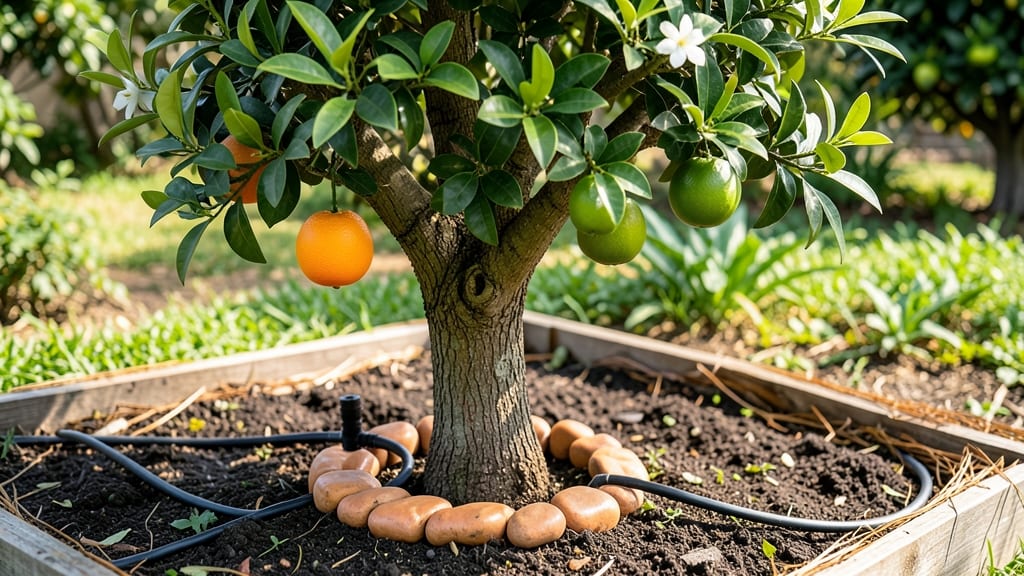
Zone 10 gardening thrives year-round with frost-free conditions, allowing tropical and subtropical plants to flourish. Start warm-season crops like tomatoes and peppers in early spring, transition to heat-tolerant varieties by summer, and plant cool-season greens in fall, while avoiding winter dormancy for most species. Microclimates and irrigation timing are key for maximizing yields in this mild climate zone.
This unique climate zone lets you grow tropical favorites like mangoes and papayas alongside traditional vegetables, but timing is everything. 🌿 Unlike colder zones, Zone 10's consistent warmth means you can plant warm-season crops almost any time of year—just watch for summer heat spikes that may require afternoon shade.
The real secret lies in understanding your specific microclimate: coastal areas stay more humid, while inland spots can get surprisingly dry. I've found that drip irrigation systems work best here, delivering water directly to roots while conserving precious resources during the dry season.
What sets Zone 10 apart is its ability to grow citrus trees year-round—something impossible in most of the U.S. The key is choosing varieties that thrive in your specific temperature range, like Meyer lemons for cooler microclimates or Valencia oranges for hotter inland areas. 🍊 Many gardeners also take advantage of the extended growing season to practice succession planting, ensuring a continuous harvest of leafy greens and herbs throughout the year.
💡 In This Article
- Understanding Zone 10 Climate and Plant Hardiness
- Seasonal Planting Schedule for Zone 10 Gardens
Understanding Zone 10 climate and plant hardiness
Zone 10's defining characteristic is its frost-free climate, where average annual minimum temperatures stay above 30°F—a stark contrast to colder zones like Zone 5, where winters routinely drop below 20°F.
This warmth creates a unique ecosystem where tropical plants like mangoes and papayas thrive alongside subtropical crops such as citrus and avocados. The consistent temperatures (typically 60-90°F year-round) eliminate the need for seasonal dormancy, allowing plants to grow continuously when water and nutrients are available.
Humidity plays a crucial role too—coastal areas often maintain 60-80% relative humidity, creating ideal conditions for banana plants and hibiscus, while inland regions may experience 40-60% humidity, favoring drought-tolerant species like bougainvillea.
Soil types vary dramatically: coastal areas often have sandy, well-draining soils, while inland regions may feature heavier clay. Elevation matters too—higher areas (1,000+ feet) can experience 5-10°F cooler nighttime temperatures, requiring different plant selections than lowland zones.
This climate zone supports both native and introduced species remarkably well. Native plants like coyote melon and desert willow have evolved to thrive with minimal water, while introduced varieties such as eggplant and okra flourish due to the extended growing season.
The key difference lies in water needs: natives often require 50% less irrigation than tropical imports, making them more sustainable choices for water-conscious gardeners.
What's often overlooked is how Zone 10's warm nights affect plant metabolism. Unlike colder zones where plants enter dormancy, Zone 10 plants continue active growth year-round, requiring consistent nutrient supply.
This means composting or using slow-release fertilizers becomes essential—organic matter breaks down 30-50% faster in warm soils compared to cooler climates. The rapid decomposition also means mulching is critical to retain moisture and regulate soil temperature.
Seasonal variations still exist, though they're more about rainfall patterns than temperature shifts. Winter typically brings cooler, wetter conditions (ideal for leafy greens), while summer delivers intense sun and occasional drought. The trade-off?
Summer heat can stress plants not adapted to high temperatures—this is why shade cloth becomes a gardener's best friend during peak 90-100°F periods, protecting both plants and gardeners from heat exhaustion.
One fascinating adaptation is how citrus trees handle Zone 10's climate. Unlike their counterparts in Florida's Zone 9, California's Zone 10 varieties develop thicker cuticles to prevent sunburn from intense coastal light.
This biological adaptation explains why Valencia oranges thrive in inland areas while Meyer lemons prefer coastal microclimates with more humidity and protection from afternoon sun.
For gardeners new to Zone 10, the biggest adjustment is learning to work with—not against—the climate. The year-round growing potential means you can experiment with two harvests of tomatoes annually if you time plantings right, but it also demands vigilance against pests that thrive in warm conditions.
The key insight? Zone 10 gardening rewards those who embrace its unique rhythms rather than trying to force traditional seasonal patterns. 💫