
Companion Plants
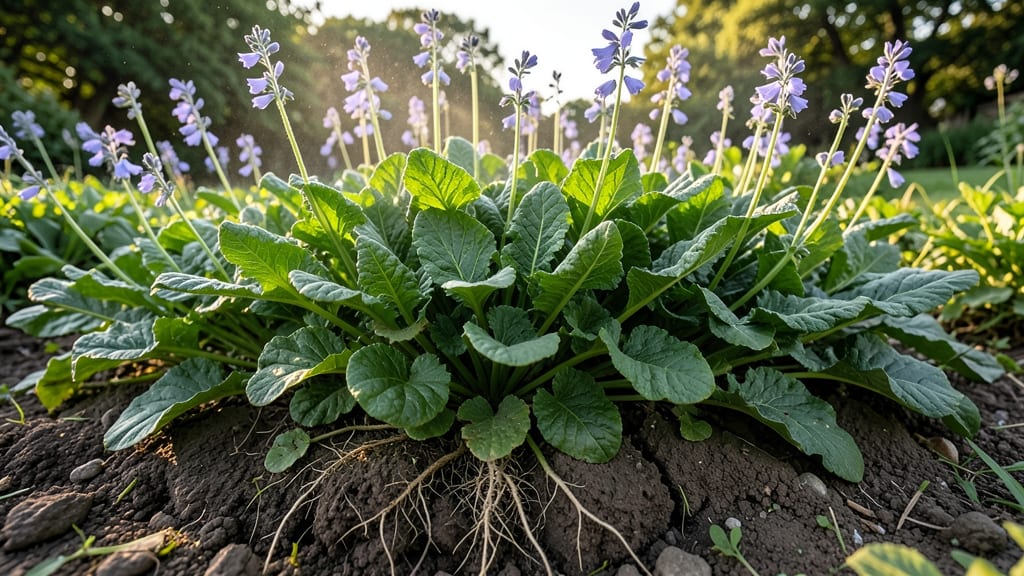
Zone 10B’s warm climate creates a paradise for gardeners—but choosing the right companion plants can transform your garden into a thriving ecosystem. These 10 hardy, low-maintenance plants not only boost growth but also naturally repel pests, reduce stress, and enhance biodiversity.
Lemon Verbena for Pest Control
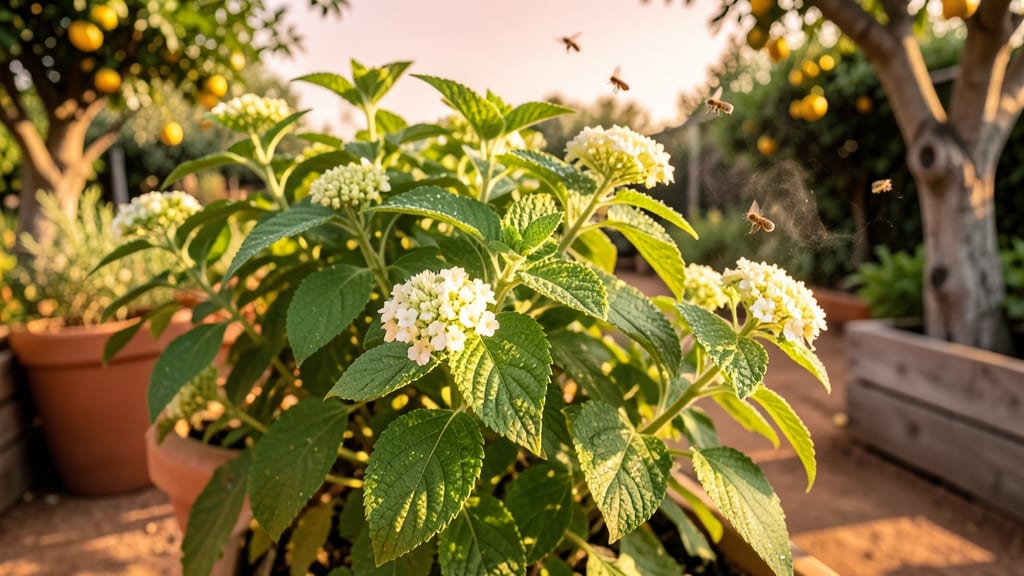
Tired of chemical repellents and pesky mosquitoes ruining your outdoor time? Lemon verbena is your Zone 10B garden’s secret weapon—this fragrant herb releases a natural citronella scent that keeps mosquitoes, ants, and flies at bay while luring in pollinators like bees and butterflies.
Thriving in full sun to partial shade, lemon verbena is drought-tolerant once established and grows beautifully in containers or garden beds. Snip leaves fresh for teas, desserts, or cocktails while enjoying its pest-repelling benefits. Plant it near seating areas, patios, or vegetable gardens for maximum impact.
Perfect for urban gardeners and edible landscapes, this versatile plant doubles as a culinary herb and natural pest barrier—no chemicals required! 🌿
Marigold Varieties for Root Health
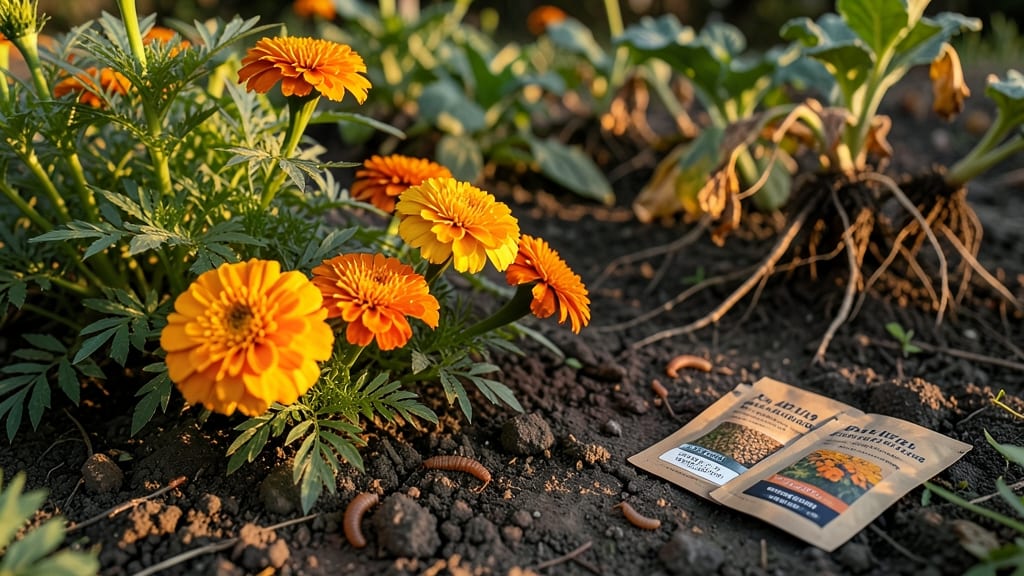
If your vegetable beds are struggling with nematodes or root-knot worms, French and Mexican marigolds are your secret weapon. These bright bloomers release alpha-terthienyl, a natural compound that disrupts the life cycle of soil-dwelling pests, giving your plants a healthier start.
Sow seeds directly in your vegetable beds in early spring or fall—they thrive in full sun and well-draining soil. For maximum protection, interplant them with tomatoes, peppers, and eggplants, which are especially vulnerable to root damage. Bonus: Their vibrant colors attract pollinators while keeping pests at bay.
Zone 10B gardeners will love how low-maintenance these annuals are—they self-seed easily and tolerate heat, making them a must-have for organic growers. 🌻
Basil Plants for Tomato Growth
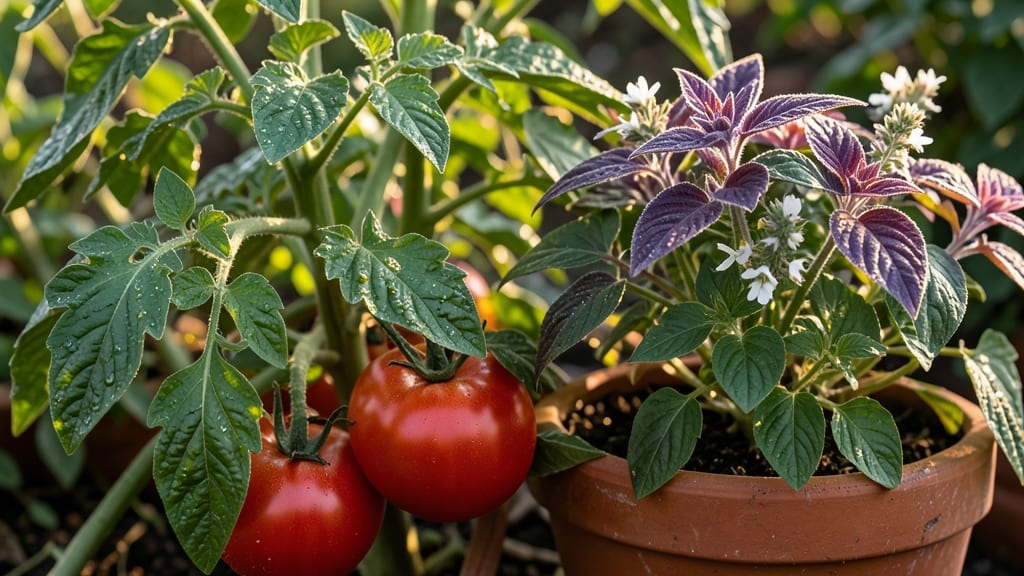
Want tomatoes that burst with flavor while keeping pests at bay? Sweet basil isn’t just a kitchen staple—it’s a powerhouse companion for your tomato plants in Zone 10B. This aromatic herb repels thrips and whiteflies naturally, while its presence actually deepens the sweetness of nearby tomatoes.
Plant basil just a few inches away from your tomato plants, and you’ll notice faster growth and fewer pest issues. For extra benefits, pair it with cucumbers, peppers, or oregano—these plants create a mutually protective circle. Basil thrives in full sun to partial shade and prefers well-draining soil, making it a perfect match for Zone 10B’s warm climate. 🌱
Lavender Bushes for Aphid Defense
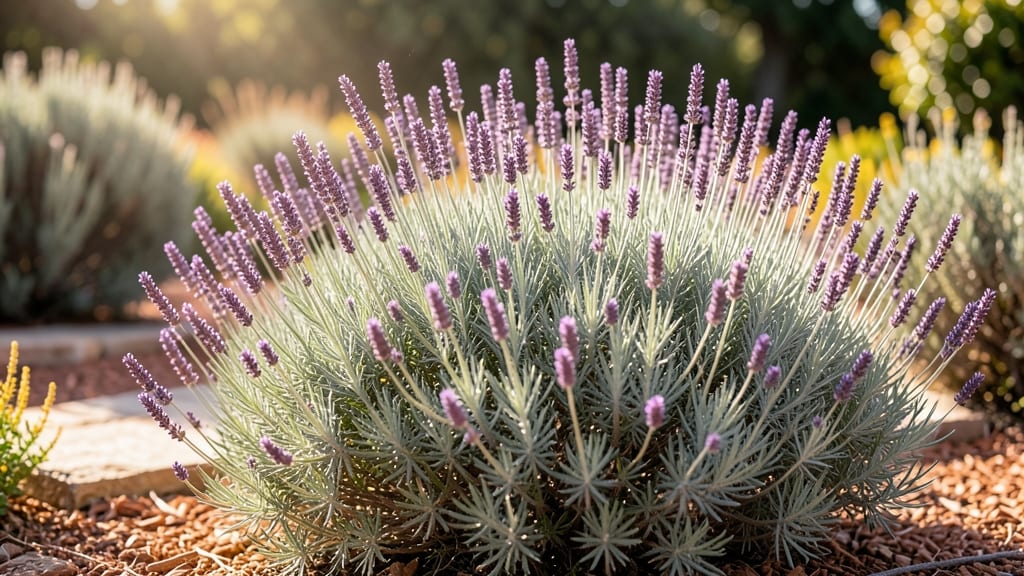
Tired of battling aphids in your Zone 10B garden? Lavender bushes are your secret weapon—naturally repelling these pests while filling your space with a soothing, bee-friendly fragrance. Their silvery foliage and purple blooms also add a Mediterranean charm to borders, pathways, or drought-tolerant landscapes.
Plant lavender in full sun with well-draining soil to keep it thriving year-round. Prune lightly after blooming to encourage bushier growth, and watch bees flock to its flowers while aphids stay far away. This hardy perennial thrives with minimal water once established, making it perfect for low-maintenance gardens.
Urban gardeners and pollinator enthusiasts will love lavender’s dual benefits—it’s both a pest deterrent and a wildlife magnet. Add it to your garden for beauty, function, and a calming scent that lasts all season. 🌿
Nasturtium Flowers for Cucumber Protection
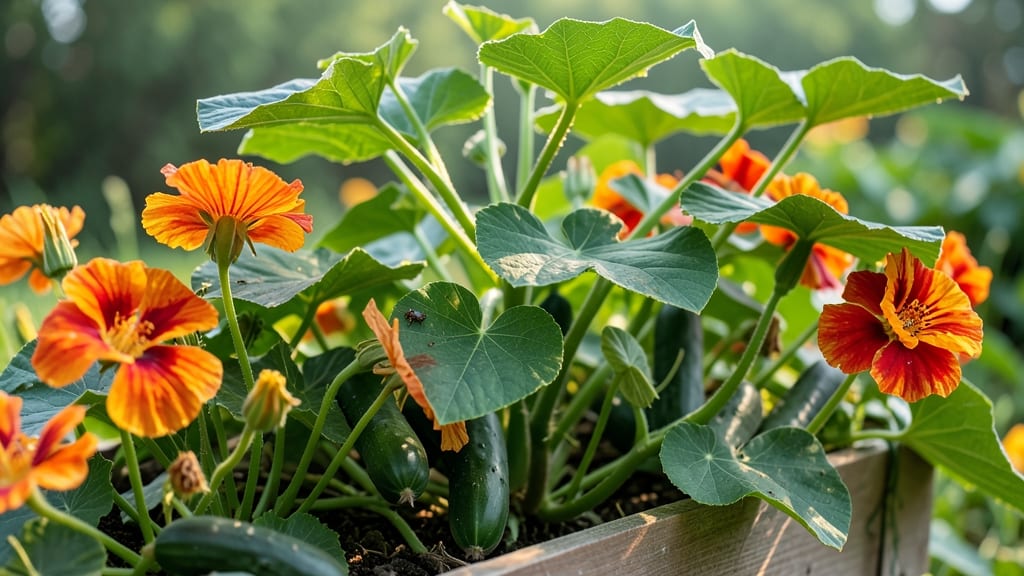
If your cucumbers are under siege by aphids or squash bugs, nasturtiums are the unsung heroes of your vegetable patch. These vibrant annuals act as a natural pest trap, luring pests away from your cucumber plants while their edible flowers add a peppery kick to salads.
Plant nasturtiums at the base of cucumber vines—their bright blooms attract aphids, which then feed on the flowers instead of your cucumbers. The flowers also improve soil health by adding organic matter when they drop. For best results, choose trailing varieties like 'Alaska' or 'Jewel Mix' and sow seeds directly after the last frost. They thrive in full sun to partial shade and tolerate poor soil, making them ideal for Zone 10B’s heat.
Urban gardeners and beginners will love how easy nasturtiums are to grow—they self-seed prolifically and require minimal care. Plus, harvesting the flowers for culinary use gives you a double reward. 🌻
Rosemary Shrubs for Mosquito Deterrence
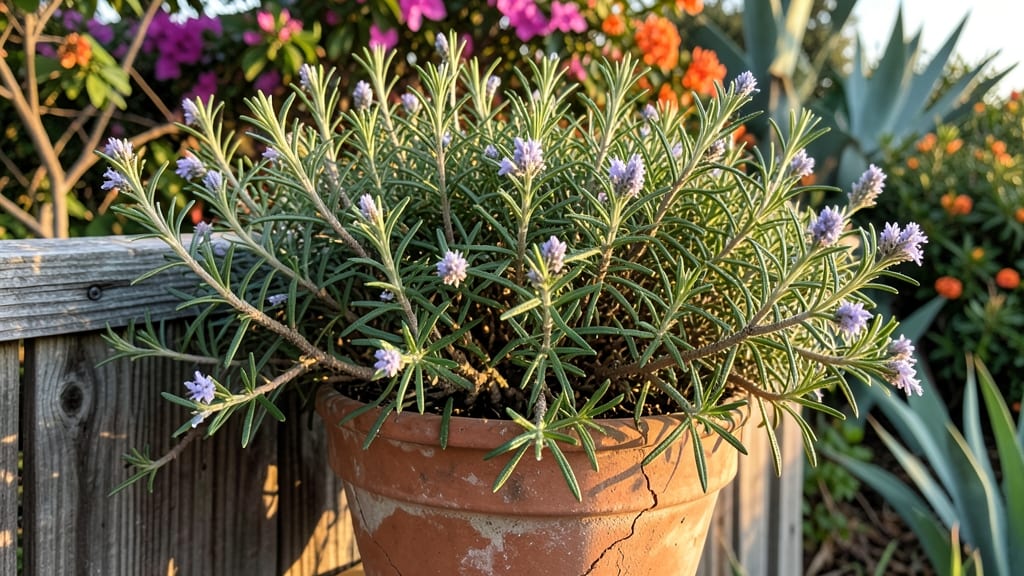
Tired of chemical repellents leaving your outdoor space smelling like a pharmacy? Rosemary shrubs are the unsung heroes of pest-free gardening, offering a fragrant, chemical-free solution that doubles as a culinary staple. This woody perennial thrives in Zone 10B’s heat, releasing a natural oil that mosquitoes and other flying pests find unbearable—making it ideal for patios, herb gardens, or container setups near seating areas.
Plant rosemary in full sun with well-draining soil, and it’ll reward you with silvery-green foliage and occasional purple blooms. Prune lightly after flowering to encourage bushier growth, and harvest sprigs regularly to boost its pest-repelling properties. The bonus? Its air-purifying qualities make it a healthier choice than synthetic alternatives, while its piney aroma elevates everything from roasted meats to homemade bread.
Urban gardeners and small-space growers will love rosemary’s adaptability—it thrives in pots, borders, or even as a low hedge. For maximum impact, pair it with lavender or citrus trees to create a multi-layered pest-deterrent zone. 🌱
Garlic Chives for Slug Prevention
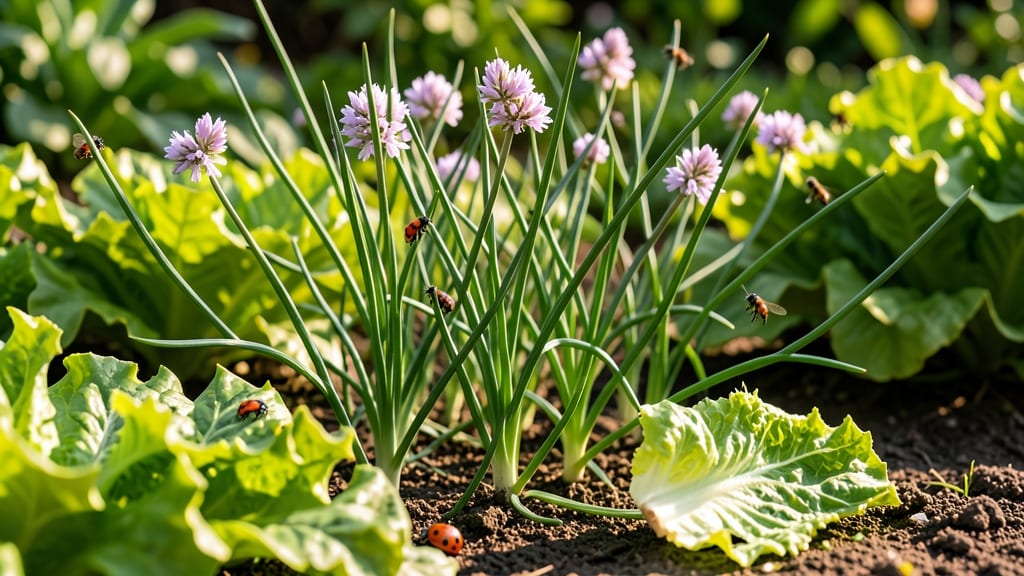
Tired of waking up to chewed lettuce or vanished seedlings? Garlic chives might be your new garden superhero—this mild-flavored herb repels slugs and snails with its subtle onion scent while luring beneficial insects like ladybugs and hoverflies to your plot.
Plant garlic chives in full sun to partial shade, where their clumping habit makes them perfect for borders or edible gardens. Snip leaves regularly for cooking (they’re great in salads or as a garnish), and they’ll reward you with year-round greenery in Zone 10B’s mild winters. The more you harvest, the bushier they grow!
Kitchen gardeners and urban growers will love this dual-purpose plant—it’s low-maintenance, pest-proofs your veggies, and adds flavor to meals. 🌱
Sunflower Companion for Bees
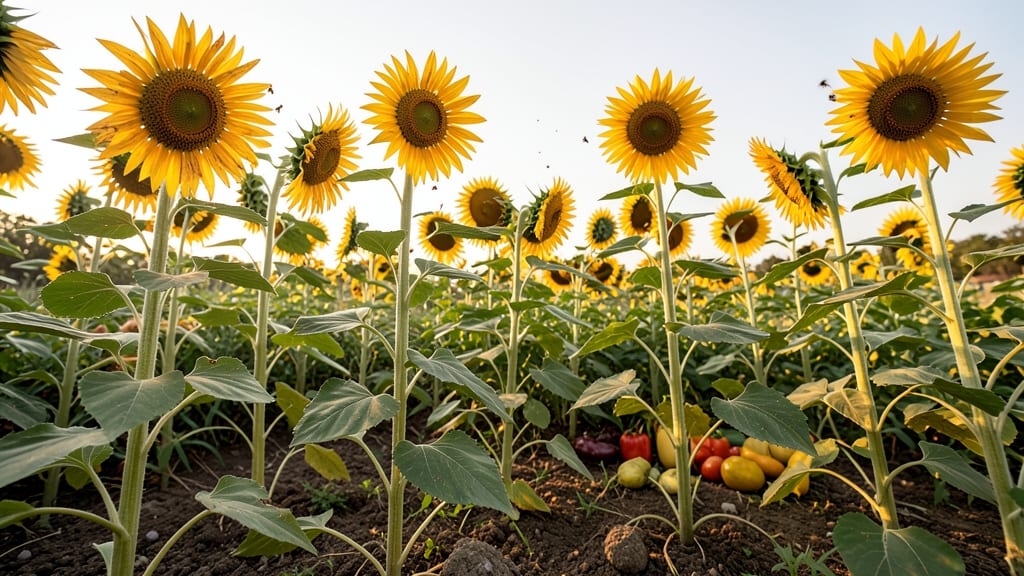
Want to boost your Zone 10B garden’s pollinator population while keeping squirrels away from your veggies? Sunflowers are the perfect multitasking companion—fast-growing, bee-magnets, and natural pest deterrents all in one.
These towering annuals thrive in full sun and improve soil structure with their deep roots, while their towering presence provides shade for heat-sensitive plants like lettuce or basil. Plant them at the edges of your vegetable beds to create a squirrel barrier—squirrels avoid climbing through dense sunflower stalks, leaving your carrots and beans undisturbed. Plus, their bright blooms attract bees, butterflies, and other beneficial insects, turning your garden into a pollinator paradise.
Perfect for beginner gardeners or those with limited space, sunflowers are easy to grow from seed and offer year-round interest in warmer climates. Try varieties like 'Moulin Rouge' for striking red blooms or 'Autumn Beauty' for multicolored petals. 🌻
Mint Varieties for Soil Enrichment
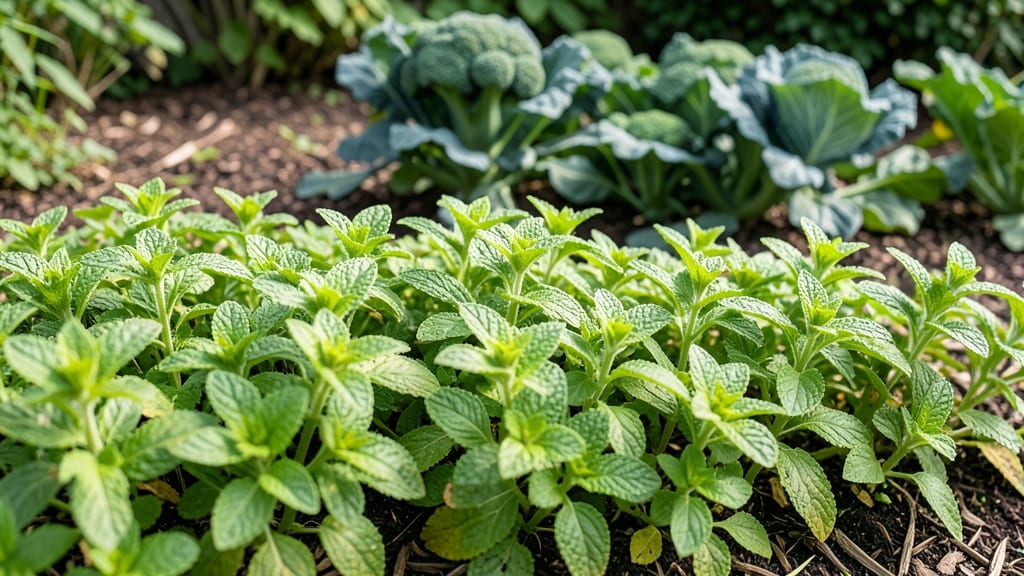
Need a low-maintenance way to crowd out weeds and protect your brassicas? Mint is the ultimate soil-enriching powerhouse—but only if you control its spread. This fast-spreading perennial suppresses weeds by outcompeting them for sunlight, while its strong scent naturally deters cabbage moths, a common pest for broccoli, kale, and cabbage.
For Zone 10B gardeners, plant spearmint or peppermint in 12-inch pots near your cabbage, carrots, or tomatoes instead of directly in the soil. The roots will still benefit neighboring plants by improving drainage and attracting pollinators, while the contained growth prevents it from taking over your garden. Water deeply once a week, and watch it thrive in partial shade to full sun.
Urban gardeners and small-space growers will love this hack—it’s perfect for balconies, patio containers, or even hanging baskets near your veggie patch. Just remember: one pot per variety to avoid cross-contamination! 💚
Comfrey Roots for Compost Boost

If your Zone 10B garden struggles with compacted soil or slow compost breakdown, comfrey is your secret weapon. This hardy perennial grows aggressively, sending roots 3-6 feet deep to aerate dense soil while pulling up nutrients from lower layers—nature’s way of tilling without the effort.
Comfrey’s deep roots also create a living mulch that retains moisture and suppresses weeds, while its purple flower spikes attract hoverflies—natural predators of aphids and other pests. Chop the leaves and bury them in compost piles to speed decomposition, or use them as a nutrient-rich green manure before planting. It thrives in full sun to partial shade and handles drought once established, making it ideal for low-maintenance gardens.
Perfect for permaculture enthusiasts and vegetable gardeners, comfrey turns problem areas into productive zones. Just be prepared for its vigorous growth—contain it with barriers if needed! 🌿