
Planting
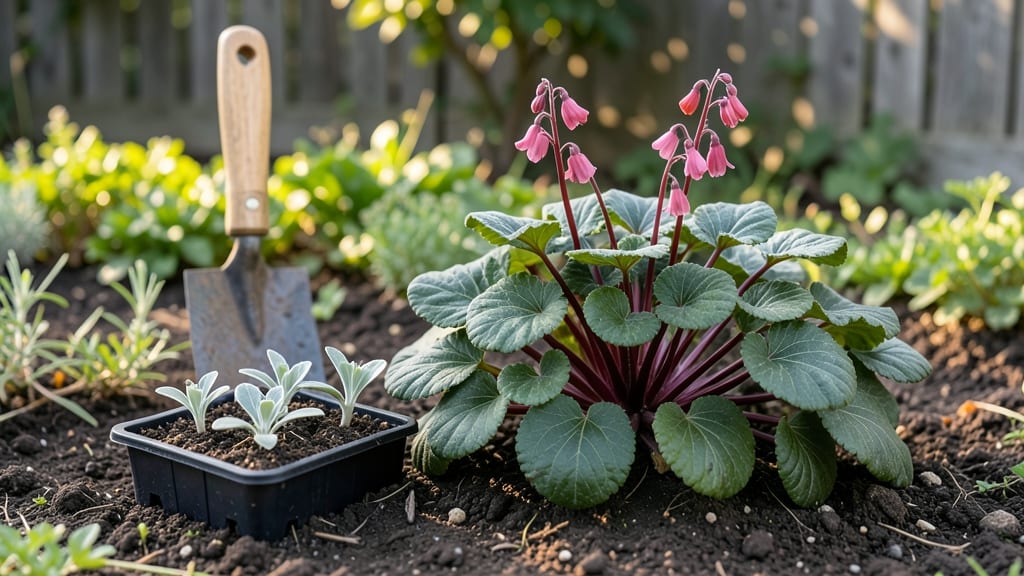
This zone 4B planting guide proves timing is everything—get it wrong, and your garden freezes before it grows. 🌱 I’ve learned the hard way that waiting for the last frost date isn’t enough; you need to know exactly when to sow. seeds, transplant tender starts, and protect young plants from late-season dips below 28°F. The difference between a thriving garden and a sad pile of frost-killed seedlings comes down to these precise windows and cold-hardy choices.
Spring planting starts in early May after soil warms to 50°F, but hardy crops like peas and spinach can go in as early as April 15 if you use row covers.
Fall is your secret weapon—many vegetables (like kale and carrots) actually prefer cooler weather and can be planted until September 15. The key is matching varieties to your short season: fast-maturing lettuce, cold-tolerant broccoli, and perennials like coneflowers that bounce back after winter.
You’ll end up with a garden that produces longer and more reliably than your neighbors’—because you’re working with the cold, not against it. Mulching with straw in late fall keeps roots from freezing, and lightweight row covers extend the season by 2-3 weeks on both ends.
Even in Zone 4B, you can grow tomatoes that ripen before frost if you start them indoors in March and harden them off properly.
This isn’t just about survival—it’s about abundance. With the right timing and protection, you’ll harvest fresh greens in May, tomatoes in August, and storage crops like carrots straight through winter.
The short season becomes your advantage when you plan like a pro. Let’s get those seeds in the ground the right way.
📚 In This Guide
- What you need
- Instructions
- Tips and common mistakes
- Wrapping up and next steps
What you need
- ● Cold-hardy seeds or seedlings: Choose varieties like kale, broccoli, spinach, peas, potatoes, and hardy perennials (check your seed packets for Zone 4B suitability). Aim for 2–3 plants per variety to ensure success.
- ● High-quality soil: 1–2 cubic yards of well-draining, organic-rich soil (amend with compost if your native soil is clay-heavy). Test soil pH (ideal: 6.0–7.0 for most veggies).
- ● Mulch: 2–4 inches of straw, wood chips, or leaves to insulate roots and retain moisture.
- ● Fertilizer: Balanced organic fertilizer (10-10-10) or compost tea for slow-release nutrients.
- ● Drip irrigation or soaker hoses: 50–100 feet (depending on garden size) to deliver consistent moisture without freezing.
- ● Garden trowel (for transplanting seedlings).
- ● Pruning shears (for trimming perennials and deadheading).
- ● Garden fork (for aerating soil and mixing amendments).
- ● Wheelbarrow (to haul soil, mulch, or compost).
- ● Thermometer (soil and air) (to monitor freezing risks—Zone 4B can dip below -30°F!).
- ● Row covers or frost cloth (to extend the growing season by 2–4 weeks).
- ● Cold frames or mini greenhouses (for tender seedlings in early spring).
- ● Plant markers (to track varieties and rotations).
- ● Garden journal (to log planting dates, weather notes, and harvests).
Instructions: planting in zone 4B like a pro
Here's how to time your plantings perfectly for Zone 4B's short growing season.
📅 Step 1: Calculate Your Last Frost Date
First, find your exact last frost date—this is your planting deadline. In Zone 4B, it typically falls between May 15-30, but check your local weather records for precision. I always use the National Oceanic and Atmospheric Administration (NOAA) frost maps for accuracy. Knowing this date ensures you plant after the threat of frost has passed.
Mark this date on your calendar and count backward. Most vegetables need 4-6 weeks of warm soil to establish roots before transplanting. If you're sowing seeds directly, count backward 2-4 weeks depending on the plant's germination time. This timing prevents seedlings from being killed by late frosts.
🌱 Step 2: Start Cold-Hardy Crops Early Indoors
Begin your cold-hardy crops like broccoli, cabbage, and peas indoors 8-10 weeks before your last frost date. These plants tolerate cooler temperatures and can even handle light frosts. Use a seed-starting mix in small pots and keep them under grow lights for 14-16 hours daily to prevent leggy growth.
Once seedlings have 3-4 true leaves, harden them off by placing them outside for 1-2 hours daily over 7-10 days. This gradual adjustment prevents shock. I always transplant these early starters 2-3 weeks before my last frost date—just as they're starting to flower, they'll be ready to go into the garden.
☀️ Step 3: Time Warm-Season Plants for Peak Heat
Warm-season crops like tomatoes, peppers, and beans need soil temperatures of at least 60°F to germinate. Use a soil thermometer to check—if it's still below 55°F, wait a few more days. In Zone 4B, I usually plant these 2-3 weeks after my last frost date to ensure the soil has warmed enough.
For extra protection, use black plastic mulch or row covers to raise soil temperatures 5-10°F faster. This also suppresses weeds and retains moisture. Watch for first true leaves to appear within 7-14 days—if they don’t, the soil might still be too cold, and you’ll need to replant.
🌿 Step 4: Succession Plant Cool-Season Crops
Zone 4B’s short season means you’ll need to make room for multiple plantings. After harvesting early crops like lettuce or spinach, replant with fast-maturing varieties like radishes or bush beans. These can be sown every 2-3 weeks until July 15—after that, the days get too short for most vegetables to mature before frost.
Keep a planting schedule handy. I like to write it on a chalkboard near my garden so I don’t forget. Succession planting ensures you have a steady harvest all season long, even in a short growing zone. Just remember: nothing sown after August 1 will have time to mature before Zone 4B’s first frost.
⏰ Step 5: Plan for Fall Plantings
Don’t let your garden go to waste after summer! Plant cold-hardy crops like kale, spinach, and carrots 6-8 weeks before your first expected frost. These plants thrive in cooler weather and can even survive light frosts. I always sow a final round of peas and radishes in early September—they’ll mature just in time for a late-season harvest.
Use row covers or cold frames to extend the season even further. These simple tools can add 2-4 extra weeks of growing time. Watch for first frost dates in October and plan accordingly—most plants will still have time to mature if sown by September 15.
Tips & tricks for perfect zone 4B planting timing
Timing is everything in Zone 4B—here's how to maximize your short season without the common mistakes that waste precious growing days.
Frost Date Precision: Don't rely on the typical May 15-30 window—verify your exact last frost date using NOAA's frost maps. A single late frost can wipe out weeks of work. I've lost entire broccoli starts because I assumed instead of checking. Mark that exact date on your calendar in bold, then count backward from there.
Cold-Hardy Seedling Strategy: When starting cold-hardy crops 8-10 weeks before your last frost, use a seedling heat mat if your home stays below 65°F. The 14-16 hours of grow light daily is non-negotiable—any less and you'll get leggy, weak seedlings that struggle to transplant. I test my grow lights weekly to ensure consistent output.
Soil Temperature Troubleshooting: That 60°F minimum for warm-season crops isn't just a number—it's your germination guarantee. If your soil stays below 55°F, use black plastic mulch for 3-5 days before planting to raise temperatures. I've seen soil warm 15°F in just 48 hours this way. Always check with a soil thermometer in the morning when temps are coolest.
Succession Planting Hack: For cool-season crops, plant your first round by May 1, then every 2-3 weeks until July 15. Use a chalkboard schedule where you can see it daily—trust me, you'll forget if it's tucked away. I color-code by crop type to avoid confusion, and it's saved me from planting the wrong thing in the wrong spot.
Pro Tips for Zone 4b Planting Guide
- Timing is everything in Zone 4B—here's how to maximize your short season without the common mistakes that waste precious growing days.
- Frost Date Precision: Don't rely on the typical May 15-30 window—verify your exact last frost date using NOAA's frost maps.
- Cold-Hardy Seedling Strategy: When starting cold-hardy crops 8-10 weeks before your last frost, use a seedling heat mat if your home stays below 65°F.
Frequently asked questions
Got questions about planting in Zone 4B? You’re not alone! Here are some of the most common concerns—and their answers—to help you grow confidently in your cold-hardy garden.
When is the exact best time to plant in Zone 4B?
The ideal window for planting hardy annuals and perennials is after the last frost (mid-to-late May), but cool-season crops like kale or spinach can go in early spring (April) or even late summer (August). Use a local frost date calculator to pinpoint your zone’s specifics!
Can I plant in Zone 4B if I have a late frost?
Use row covers or cold frames to protect tender seedlings. For extra safety, opt for frost-resistant varieties like Swiss chard, peas, or hardy lettuce. If frost strikes, cover plants with blankets or burlap—just remove them during the day to avoid overheating.
What are the hardiest vegetables for Zone 4B?
Zone 4B thrives with cold-tolerant crops like:
- Kale (survives down to 15°F!)
- Potatoes (plant in early spring)
- Carrots (direct-sow after frost)
- Broccoli (start indoors 6–8 weeks before last frost)
- Rhubarb (perennial, ultra-hardy)
How do I extend the growing season in Zone 4B?
Try these season-extending hacks:
- Cold frames or low tunnels add 4–6 weeks of growing time.
- Black plastic mulch warms soil faster in spring.
- Succession planting (e.g., sowing lettuce every 2 weeks) keeps harvests coming.
- Greenhouses or hoop houses let you grow year-round with supplemental heat.
My Zone 4B plants are struggling—what’s wrong?
Common issues and fixes:
Yellow leaves? Likely overwatering or nutrient deficiency. Test soil pH (aim for 6.0–7.0) and amend with compost.
Stunted growth? Could be cool soil. Use black plastic mulch or wait until soil reaches 50°F+.
Pests like cabbage worms? Try row covers or neem oil sprays.
Fungal spots? Improve airflow and avoid overhead watering.
When in doubt, check soil moisture and inspect undersides of leaves for clues!Wrapping up and next steps
Growing a stunning garden in Zone 4B is absolutely doable—you just need to pick the right plants and time your efforts wisely!
By selecting cold-hardy varieties and following the precise planting windows, you’ll enjoy a thriving garden that defies the chill. Now’s the time to roll up your sleeves and get planting!
Ready to take the next step? Start by sketching your garden layout—map out sun exposure, soil prep areas, and where your cold-resistant favorites will shine. Happy gardening! 🌱✨