
Planting
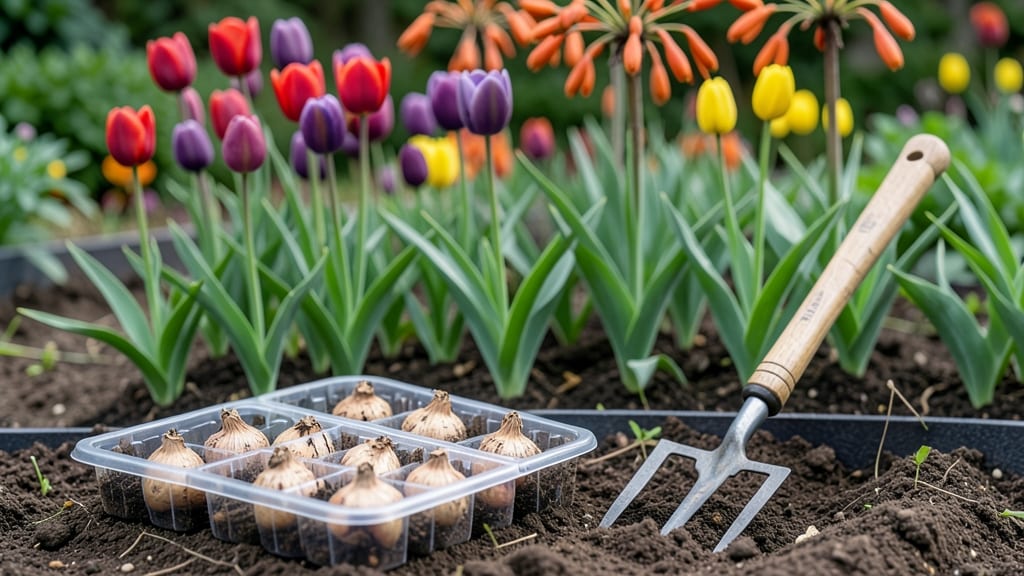
Your Zone 5 flower planting schedule is the secret to a garden that blooms reliably year after year, not just in fits and starts.
Picture this: you’ve spent weeks preparing soil, choosing seeds, and dreaming of a riot of color—only to watch your flowers arrive late, wilt in a heatwave, or never even sprout. The difference between a thriving garden and a disappointing one often comes down to timing.
Zone 5’s unpredictable springs and early frosts mean that planting too soon or too late can derail even the most careful gardener.
But with the right schedule—one that accounts for last frost dates, soil warmth, and seasonal shifts—you can ensure your 🌸 flowers appear exactly when you want them, from early spring bulbs to late-summer annuals.
Below, I break down the exact months to plant each type of flower, from cool-season hardies to heat-loving annuals, plus pro tips to extend your blooms well into fall. No more guesswork—just a garden that delivers.

Zone 5 flower planting schedule by month: exact timing for annuals, perennials, and bulbs
Timing your flower plantings in Zone 5 can feel like solving a puzzle—one wrong move, and your annuals bolt too early or perennials struggle to establish. The key? Understanding your last frost date (mid-May) and first frost date (mid-October), plus how soil temperatures shift.
In my garden, I’ve learned that cool-season flowers like pansies thrive with early spring plantings, while warm-season favorites like zinnias need to wait until the soil warms to 60°F+. Let’s break it down by month so you can plan for continuous blooms from spring through fall.
Zone 5’s 165 frost-free days create a tight window for planting. Early bloomers like tulips and daffodils (bulbs) should go in October or November, while annual seeds like marigolds wait until late May.
Perennials like coneflowers can handle early spring transplanting, but tender petunias need to wait until after Memorial Day. Below is your month-by-month roadmap, including adjustments for early/late springs and regional microclimates.
| Month | Plant Type | Action | Notes |
|---|---|---|---|
| February | Bulbs | Plant tulips, daffodils | 6-8 weeks before last frost; well-draining soil. |
| March | Perennials | Transplant peony, black-eyed Susan | Soil temp 40°F+; mulch after planting. |
| April | Cool-Season Annuals | Sow pansies, snapdragons | Direct seed after last frost risk passes. |
| May | Warm-Season Annuals | Plant marigolds, zinnias (after soil hits 60°F) | Use row covers for early starts. |
| June | Perennials | Divide daylilies, hostas | Best done when foliage is lush. |
| August | Fall Annuals | Sow cosmos, sweet alyssum | Bloom until first frost. |
| September | Bulbs | Plant fall crocus, hyacinth | For early spring blooms. |
| October | Perennials | Cut back dead foliage | Leave seed heads for winter interest. |
In February, focus on bulb planting—tulips and daffodils need time to root before spring thaw. I always test my soil first; Zone 5
Best flowers to plant in Zone 5 for season-long color: grouped by planting time
Zone 5 gardeners know timing is everything—plant too early, and frost will nip your blooms. Too late, and you’ll miss peak summer color. The key is matching each flower’s hardiness zone and bloom season with your local frost dates.
I’ve curated a list of top performers that thrive in Zone 5, organized by planting window to ensure your garden stays vibrant from spring to fall.
Start with early spring bulbs like tulips and daffodils, which force growth in cool soil. Then transition to late spring perennials like coneflowers and black-eyed Susans for summer-long color. Don’t forget fall-planted annuals like pansies and snapdragons to bridge the gap until spring.
- Early Spring (March): Plant hardy bulbs (tulips, daffodils) and cool-season annuals (pansies, sweet peas). Soil temps should be 40-50°F.
- Late Spring (April-May): Transplant perennials (coneflowers, daylilies) and sow warm-season seeds (marigolds, zinnias) after last frost.
- Summer (June-July): Add heat-tolerant annuals (cosmos, sunflowers) and succession plant quick-bloomers like bachelor’s buttons.
- Fall (August-September): Plant cool-season bulbs (crocuses, hyacinths) and hardy annuals (pansies, snapdragons) for winter color.
For early spring plantings, focus on cold-hardy varieties like bleeding hearts and lungwort. These thrive in Zone 5’s cool soils and reward you with early blooms. Pair them with spring bulbs like alliums for vertical interest and pollinator appeal.
In late spring, prioritize perennials that establish roots before summer heat. Russian sage and catmint are underrated workhorses—both tolerate drought and attract butterflies. For annuals, marigolds and zinnias are foolproof choices that bloom until frost.
Summer plantings should include heat-loving annuals like sunflowers and cosmos. These fill gaps left by early bloomers and thrive in Zone 5’s hotter months. Don’t overlook black-eyed Susans—they’re drought-tolerant and bloom from midsummer to fall.
Finally, fall-planted flowers like pansies and snapdragons bring color when other plants fade. They handle light frosts and even overwinter in Zone 5, giving you a head start next spring. Plant them in well-draining soil and protect with a light mulch.