
Planting
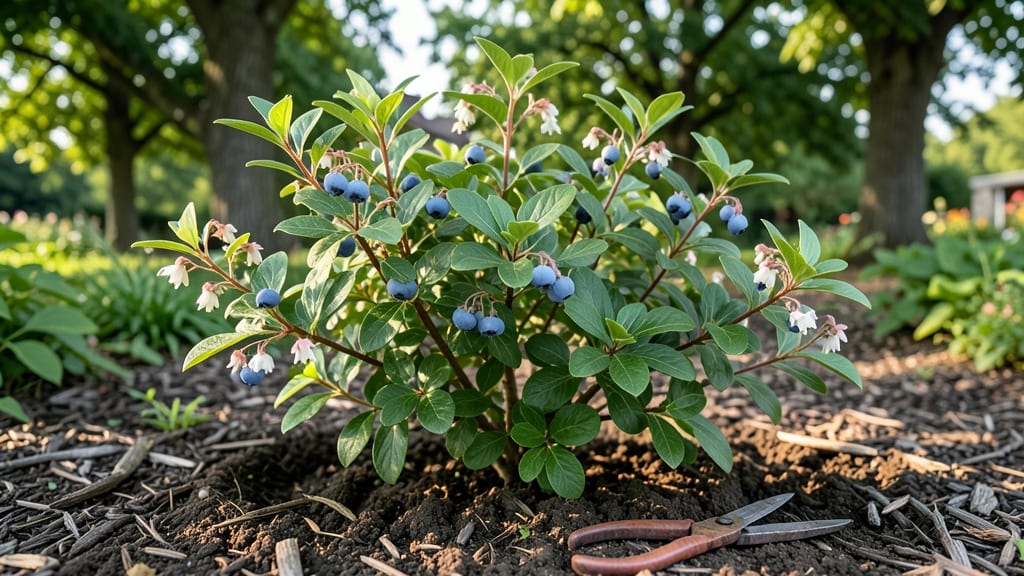
Growing blueberries in Zone 6 means you can enjoy homegrown berries that taste like summer vacation every July. 🌿 I used to think cold climates couldn't handle blueberries until I discovered the right varieties and soil prep—now my bushes produce buckets of fruit with almost no fuss.
The secret starts with acidic soil (think pH 4.5-5.5) and the right varieties like 'Bluecrop' or 'Patriot,' which handle Zone 6 winters like champs. You'll need full sun (6+ hours daily) and consistent moisture, but the payoff is worth it—imagine fresh berries for pancakes or snacking straight from the bush.
Once established, these bushes need minimal care: a light pruning in late winter and a thick layer of mulch to protect roots. Even in cold winters, they bounce back stronger than ever, producing fruit for decades with proper care.
Perfect for gardeners who want low-maintenance, high-reward plants that actually thrive in colder climates. Let's get those bushes planted right!
📚 In This Guide
- What you need
- Instructions
- Tips and common mistakes
- Wrapping up and next steps
What you need
- ● Blueberry plants: Choose northern highbush varieties (e.g., 'Bluecrop,' 'Patriot,' or 'Duke')—they thrive in Zone 6’s chill. Buy 3–5 plants (for cross-pollination and better yields).
- ● Well-draining, acidic soil: Aim for a pH of 4.5–5.5. Test your soil with a home pH kit ($10–$15). If needed, amend with peat moss, pine bark fines, or sulfur.
- ● Organic mulch: 3–4 inches of pine needles, wood chips, or shredded leaves to retain moisture and acidity.
- ● Slow-release fertilizer: A balanced 10-10-10 or acidic blueberry-specific fertilizer (e.g., Espoma Blueberry Tone).
- ● Garden trowel or shovel (for planting holes 12–18 inches wide/deep).
- ● Pruners (sterilized with rubbing alcohol to prevent disease).
- ● Watering can or hose with a gentle nozzle (blueberries hate soggy roots!).
- ● Garden gloves (to protect from thorns and soil acidity).
- ● Drip irrigation system (to keep soil consistently moist without overwatering).
- ● Row covers or frost cloth (for young plants in late spring/early fall).
- ● Bird netting (to protect ripe berries from hungry critters!).
- ● Soil moisture meter (to monitor watering needs—blueberries hate drought stress).
Step-by-step instructions for planting and caring for Zone 6 blueberries
Here's how I get reliable harvests in cold climates—no fuss, just consistent results.
🌱 Step 1: Choose and Prepare the Planting Site
Blueberries thrive in acidic soil with a pH between 4.5 and 5.5. Test your soil first—most Zone 6 gardens need sulfur or peat moss to lower the pH. I dig a hole twice as wide as the root ball but only as deep as the container's bottom. This prevents burying the graft union if using a nursery plant.
Site selection matters most. Choose a spot with full sun (at least 6-8 hours daily) and protection from harsh winds. Blueberries hate soggy roots, so avoid low spots where water pools. Amend the planting hole with 2 parts native soil to 1 part peat moss—this jumpstarts the acidity they crave.
🪴 Step 2: Plant with Proper Spacing and Soil Mix
Dig a hole wide enough to spread the roots without bending them. For 4 bushes, space them 6-10 feet apart—this gives mature plants room to develop their full canopy. I like to plant in a square pattern for even sunlight distribution. The top of the root ball should sit 1 inch above ground level—this prevents rot during heavy rains.
Backfill with your amended soil mix, pressing gently to remove air pockets. Water deeply right after planting to settle the soil around roots. Mulch with 3-4 inches of pine bark (not wood chips) to maintain acidity and suppress weeds. Keep mulch 2 inches away from the stem to prevent rot.
☀️ Step 3: Water and Fertilize for Establishment
Blueberries need consistent moisture but hate soggy soil. Water deeply 2-3 times per week during the first growing season, aiming for 1-1.5 inches of water per week. You'll know you're doing it right when the soil feels moist 3-4 inches down—stick your finger in to check. Drip irrigation works best to avoid wetting leaves and inviting disease.
Fertilize lightly in spring with an acid-loving plant formula (look for high nitrogen but low phosphorus). I use ½ cup per bush of a 16-4-8 or 10-10-10 blend with sulfur pellets. Avoid compost or manure—it raises the pH too much. Test soil pH again in 6 months and adjust if needed.
✂️ Step 4: Prune for Airflow and Fruit Production
Prune in late winter or early spring before buds swell. Remove dead, diseased, or crossing branches first—these compete with healthy growth. Then cut back last year's fruit-bearing wood by ⅓ to encourage new growth. You'll see strong, upright canes emerging from the center of the bush.
Thin out crowded branches to improve airflow—blueberries need good circulation to prevent fungal issues. Never prune more than 25% of the bush in one year, or you'll shock the plant. I mark my pruning cuts with a white paint pen to track growth patterns seasonally.
🌿 Step 5: Protect and Harvest for Long-Term Success
Zone 6 winters can damage young bushes. After the first hard frost, mulch heavily with 6-8 inches of straw and wrap the base with burlap to insulate roots. Remove mulch in early spring before new growth starts. Birds love blueberries, so I cover plants with fine netting once flowers appear.
Harvest when berries easily slip off the stem and look fully blue. Pick in morning hours when sugars are highest. Store in the fridge for up to 2 weeks or freeze for longer storage. With proper care, your bushes will bear fruit in 2-3 years and thrive for decades.
Tips & tricks for thriving Zone 6 blueberries
Took me years to figure out these little details—now I get consistent harvests even in cold winters.
Soil pH Precision: Use a digital soil pH meter instead of test kits for accuracy. I've seen cheap kits off by 0.5 points—critical when your target is 4.5-5.5. If your soil tests higher, add elemental sulfur (not aluminum sulfate) at ½ pound per 100 square feet and retest in 2 months. The difference between pH 5.0 and 5.5 can mean the difference between a good crop and a great one.
Planting Depth Secret: That 1-inch above ground level rule is non-negotiable—especially in Zone 6 where freeze-thaw cycles can bury stems. I use a wooden stake as a reference marker when planting, then double-check with my thumb before backfilling. Too deep equals rot; too shallow means winter kill.
Watering Hack: The 1-1.5 inches per week guideline assumes average rainfall. In Zone 6's unpredictable weather, I set a rain gauge near my bushes and supplement when we get less than 0.75 inches. Water in the morning so foliage dries quickly—this prevents fungal issues that thrive in damp leaves.
Pruning Visual Cue: When cutting back last year's wood by ⅓, look for the white paint pen marks I made last year. These show where new growth emerged, helping me identify which canes to keep. I also prune only on dry days—wet branches tear and create entry points for disease.
Pro Tips for Zone 6 Blueberries
- Took me years to figure out these little details—now I get consistent harvests even in cold winters.
- Soil pH Precision: Use a digital soil pH meter instead of test kits for accuracy.
- Planting Depth Secret: That 1-inch above ground level rule is non-negotiable—especially in Zone 6 where freeze-thaw cycles can bury stems.
Frequently asked questions
Got questions about growing Zone 6 blueberries? You’re not alone! Here are answers to the most common concerns—from planting to harvest—so you can enjoy sweet, homegrown berries with confidence.
What’s the best time to plant blueberries in Zone 6?
Plant your bushes in early spring (before buds swell) or early fall (6–8 weeks before frost). This gives roots time to establish before extreme cold. Avoid late spring/early summer—heat stress can stunt growth. Pro tip: Bare-root plants thrive best in spring!
Do Zone 6 blueberries need winter protection?
Most varieties (like ‘Bluecrop’ or ‘Patriot’) handle Zone 6 winters well, but young bushes or late-season growth may need help. Mound soil or mulch around the base (10–12 inches high) to insulate roots. For extra safety, wrap the crown with burlap or use frost blankets on unpredictable nights.
How long does it take for blueberries to fruit in Zone 6?
Patience is key! Dwarf varieties may bear fruit in 2–3 years, while standard bushes take 3–5 years. Focus on soil acidity (pH 4.5–5.5) and proper care—healthy bushes fruit faster. Bonus: Prune in late winter to encourage earlier harvests!
Can I grow blueberries in containers in Zone 6?
Use a 10–15 gallon pot with acidic soil (peat moss + pine fines). Choose dwarf or semi-dwarf varieties like ‘Top Hat’ or ‘Peach Sorbet.’ Place containers in full sun and move them to a garage in winter if temps drop below 10°F. Warning: Containers dry out faster—water consistently!
Why aren’t my Zone 6 blueberries ripening?
Check these fixes:
- Pollination: Blueberries are self-pollinating, but bees help! Plant near flowers or hand-pollinate with a brush.
- Sunlight: Ensure 6+ hours of sun daily—shady spots delay ripening.
- Nutrients: Test soil pH (should be acidic) and amend with sulfur if needed.
- Water: Drought stress halts growth. Keep soil evenly moist (not soggy).
What can I plant with blueberries in Zone 6?
Blueberries love companion plants that improve soil or deter pests:
- Ground covers: Clover or creeping thyme (suppresses weeds, retains moisture).
- Flowers: Marigolds (repel pests) or lavender (attracts pollinators).
- Avoid: Vegetables like tomatoes (compete for nutrients) or raspberries (shared diseases).
Wrapping up and next steps
Growing Zone 6 blueberries is absolutely doable—even in colder climates! With the right variety, soil prep, and a little patience, you’ll soon be harvesting sweet, juicy berries that rival store-bought (but taste 100x better). 🌱✨
Ready to take the next step? Start by selecting your perfect bush—whether it’s a hardy northern highbush or a low-maintenance rabbiteye—and plant it this season. Before you know it, your backyard will be bursting with blueberry goodness!