
Planting
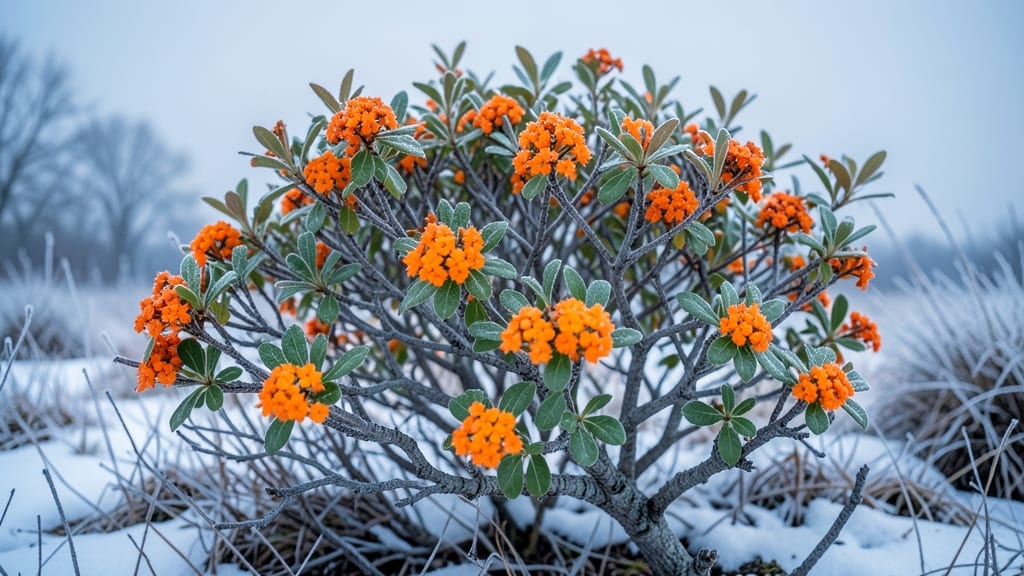
Zone 6A winters can be brutal for plants, but these 10 perennials thrive in freezing temperatures while delivering stunning blooms, lush foliage, and minimal maintenance. Discover cold-resistant varieties that return year after year without fuss.
Russian Sage: Drought-Tolerant Purple Spikes
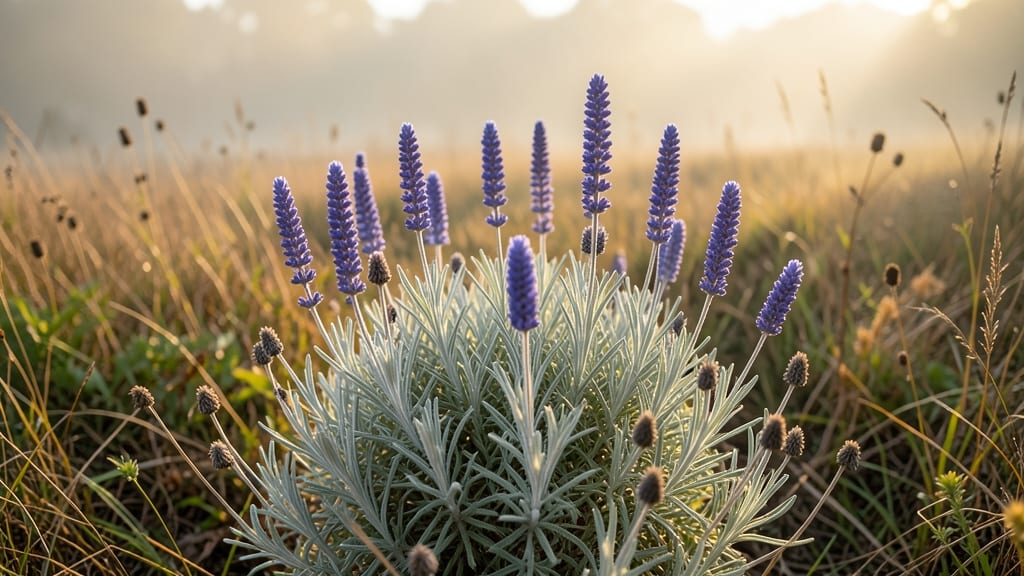
If you're dreaming of a low-maintenance garden that thrives in Zone 6A's harsh winters and poor soil, Russian sage is your secret weapon. This hardy perennial delivers lavender-blue flower spikes that bloom from mid-summer straight through to frost, turning your landscape into a pollinator paradise.
Russian sage thrives in full sun to partial shade and tolerates drought once established, making it perfect for dry gardens or cottage-style landscapes. Its silvery-green foliage adds texture year-round, while the fragrant flowers attract bees, butterflies, and hummingbirds. Plant it in well-drained soil—even rocky or sandy—and watch it flourish with minimal care.
This is the ideal choice for first-time gardeners or busy homeowners who want beauty without the fuss. 💚
Peony Bush: Luxurious Fragrant Blooms
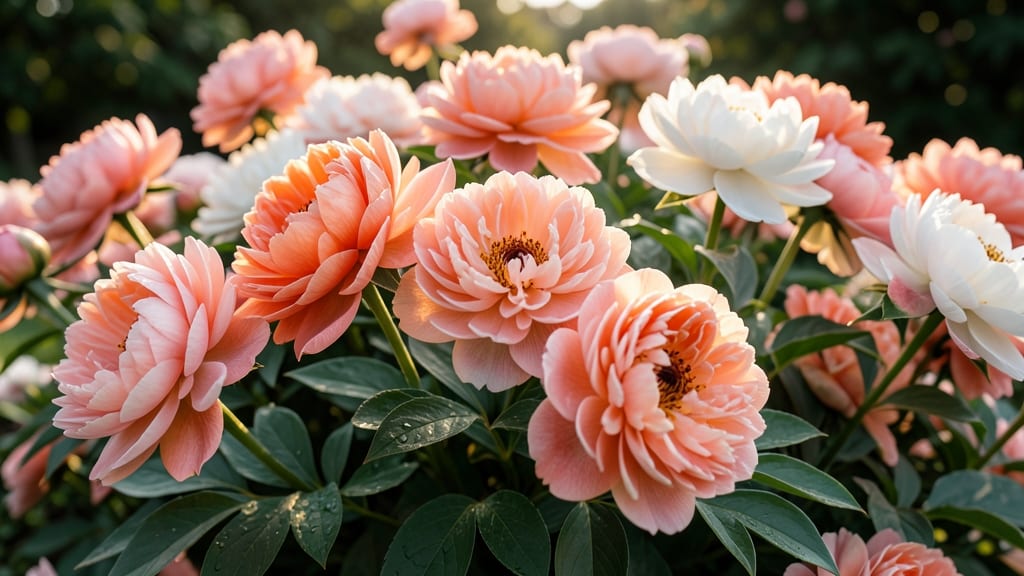
If you crave a garden that smells like a secret garden and looks like a painter’s masterpiece, peony bushes are your heirloom treasure. These classic perennials deliver large, velvety blooms in shades of pink, coral, or white—each flower packed with fragrance that fills the air in early summer.
What makes them stand out? Peonies thrive in shade to partial sun and survive -30°F winters without flinching, making them a reliable Zone 6A workhorse. Once established, they multiply over decades, creating lush clumps that reward patience with long-lasting blooms (3-5 days per flower). Just avoid soggy soil—their roots prefer well-draining conditions.
Perfect for cottage gardens, borders, or cutting arrangements, peonies are a low-maintenance splurge that pays dividends for generations. 🌷
Catmint: Butterfly Magnet With Silver Foliage
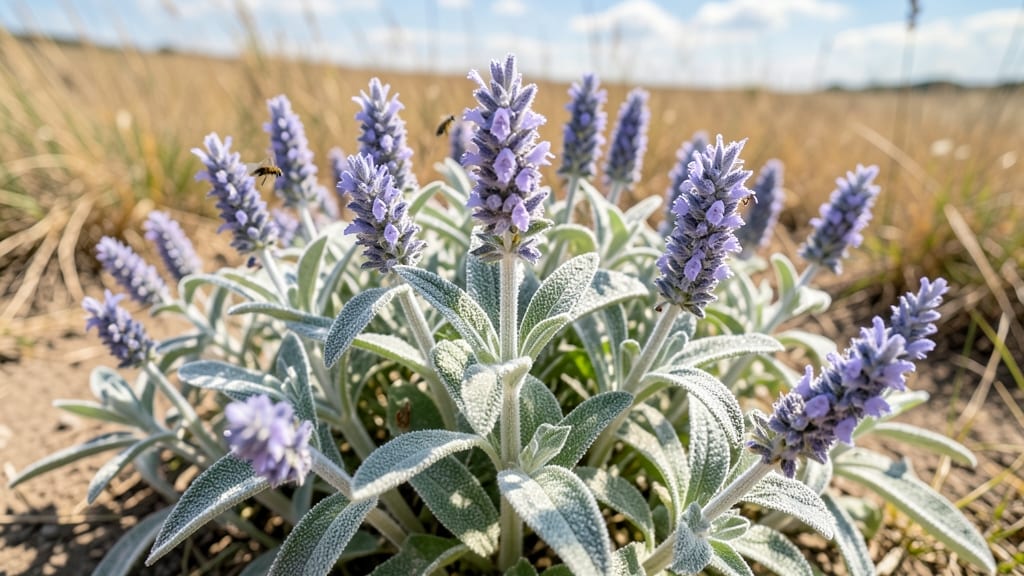
If you want a low-maintenance perennial that thrives in Zone 6A’s dry spells while doubling as a butterfly buffet, catmint is your answer. This silver-leaved superstar repels pests with its aromatic foliage while luring pollinators with lavender-blue blooms that last from spring to frost.
Plant catmint in full sun with well-drained soil—it tolerates poor conditions and even survives light foot traffic. Deadhead spent blooms to encourage repeat flowering, and divide clumps every 3-4 years to keep it vigorous. The gray-green foliage adds texture year-round, making it a standout in borders or cottage gardens.
Perfect for busy gardeners or pollinator-friendly landscapes, catmint delivers beauty with almost no effort. 🌿
Hosta Varieties: Shade-Loving Foliage Stars
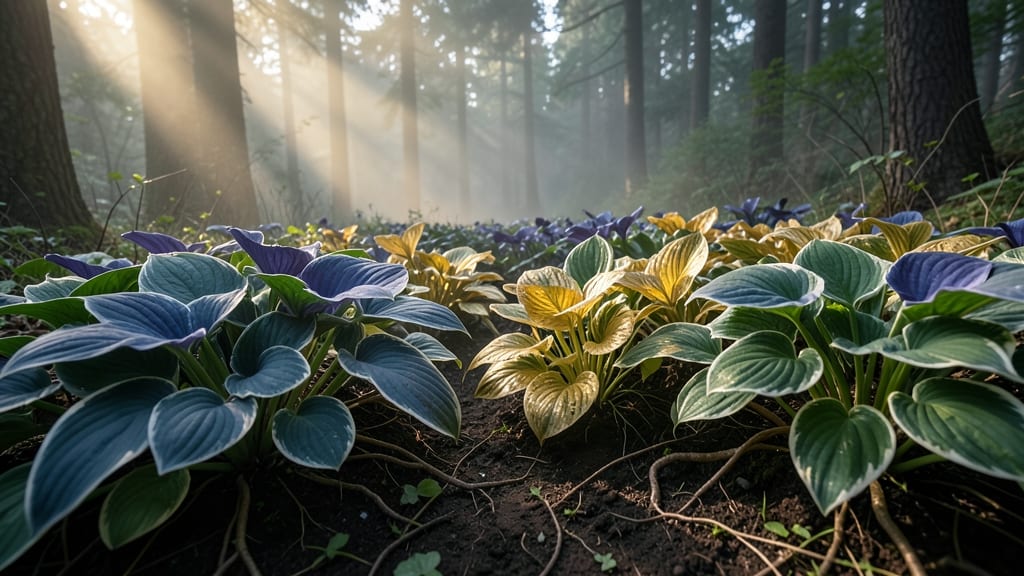
Tired of struggling with barren shade spots? Hostas transform those forgotten corners into lush, textured gardens with their 3,000+ varieties, including rare blue, golden, and variegated leaf types that thrive where most plants fail.
These shade-loving perennials prefer moist, well-draining soil and partial to full shade, making them ideal for foundation plantings or woodland gardens. For best results, plant in spring or early fall and mulch with organic matter to protect roots during Zone 6A winters. Varieties like 'Blue Angel' or 'Francee' add dramatic color without sunlight demands.
Perfect for beginners and urban gardeners with limited sun, hostas also deter slugs when planted near deer-resistant companions like ferns. Their slow-growing nature means fewer maintenance headaches. 💚
Black-Eyed Susan: Golden Blooms For Late Summer
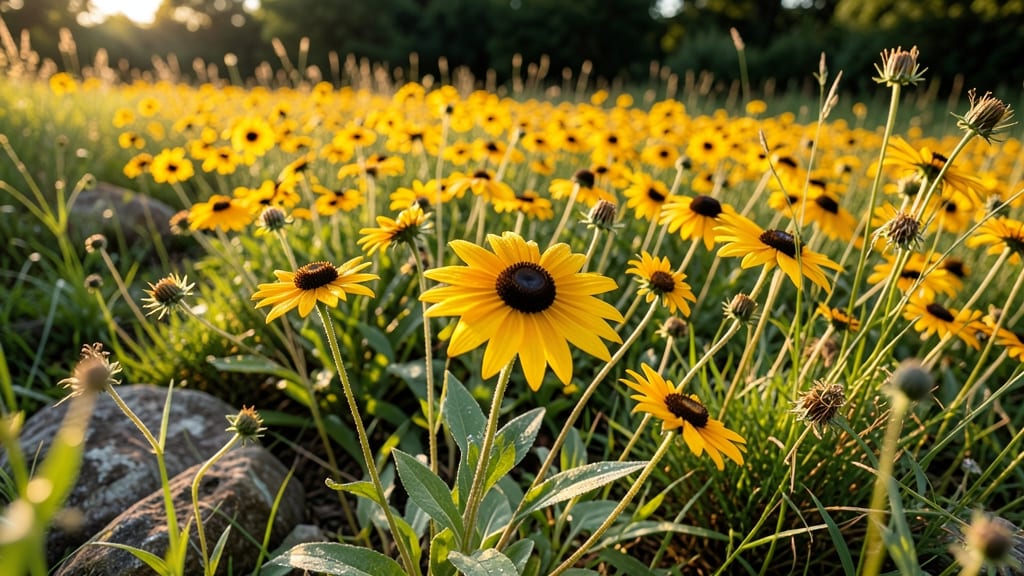
Looking for a low-maintenance perennial that turns your late summer garden into a golden sea of blooms? Black-eyed Susan (Rudbeckia hirta) is your answer—a native wildflower that thrives in full sun and spreads effortlessly, filling gaps with cheerful yellow daisies from July until frost.
This hardy perennial handles drought like a champ and even deters deer, making it perfect for problem areas or wildflower meadows. Plant seeds in early spring or divide clumps in fall for instant color—no fuss, just bold blooms. Its daisy-like flowers also attract pollinators, giving your garden a double benefit.
Ideal for beginners or busy gardeners, Black-eyed Susan delivers year-round interest with its seed heads that persist through winter. 🌻
Lavender: Fragrant Purple Ground Cover
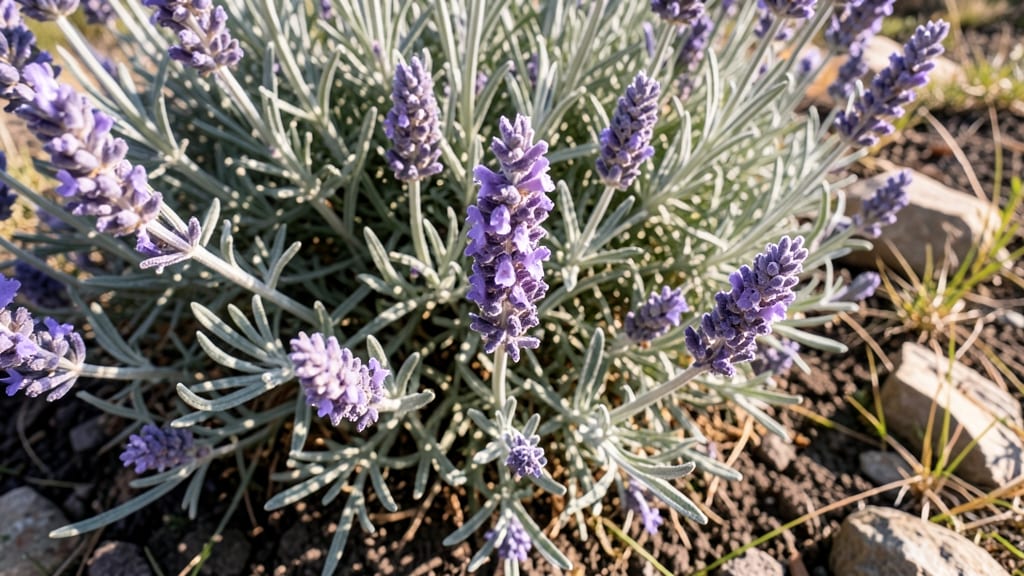
If you love the scent of summer but hate battling mosquitoes, lavender is your secret weapon. This hardy perennial thrives in Zone 6A's harsh winters, offering fragrant purple blooms that repel pests naturally while adding texture to your garden with its silvery foliage.
Plant it in poor, well-drained soil with full sun for best results—it even tolerates rocky or sandy conditions where other plants struggle. The dried flowers make stunning potpourri or sachets, and you can harvest them throughout the summer. Just avoid overwatering, as soggy soil will kill it quickly.
Perfect for beginners, cottage gardens, or pollinator-friendly spaces, lavender brings beauty and function to any landscape. 🌻
Coneflower: Pollinator Superfood
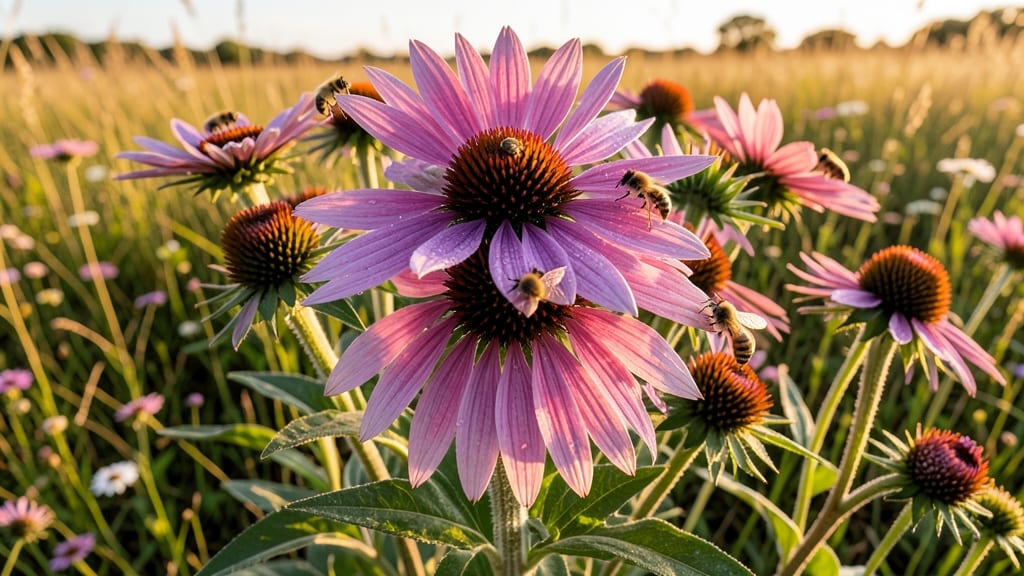
Want to turn your garden into a thriving pollinator paradise without the fuss? Coneflower (Echinacea) is your secret weapon—its daisy-like pink and purple blooms feed bees and butterflies from early summer through frost, making it a year-round buffet for wildlife.
This native perennial thrives in poor, rocky soil and survives -20°F winters with no extra care, plus it’s deer-resistant. Plant it in full sun for the most vibrant blooms, and watch as hummingbirds and monarchs flock to your garden. Deadhead spent blooms to encourage more flowers.
Perfect for beginners, cottage gardens, or prairie-style landscapes, coneflower adds both beauty and function. Once established, it’s nearly maintenance-free and multiplies naturally. 🌻
Salvia Nemorosa: Purple Rainbow Perennial
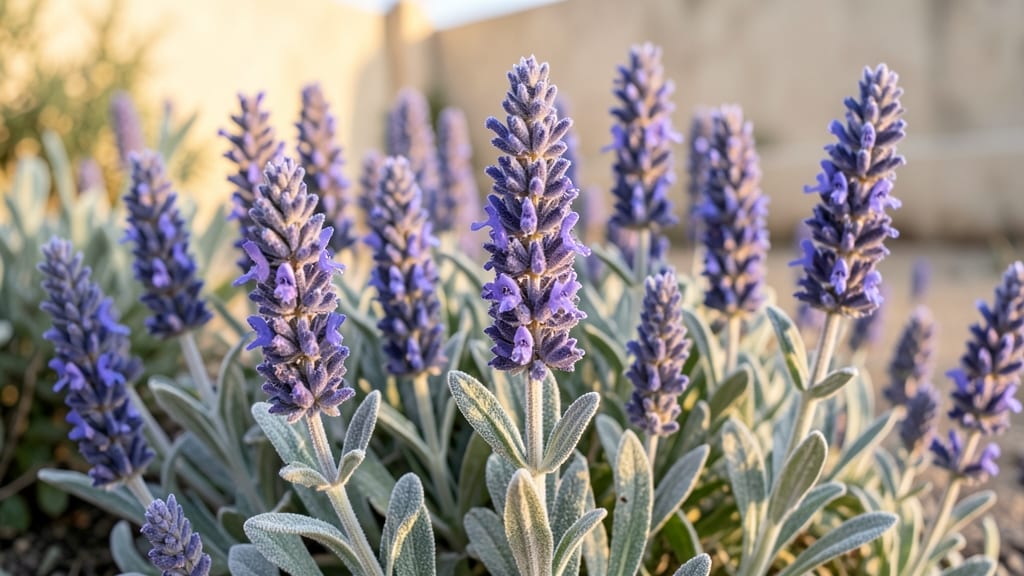
Looking for a drought-tolerant perennial that turns your garden into a violet-blue dream without the fuss? Salvia nemorosa delivers dramatic, clumping spikes of flowers that bloom profusely in early summer—often lasting for weeks. Unlike its thirsty cousins, this hardy plant thrives on neglect once established, making it perfect for busy gardeners or water-restricted areas.
Plant it in full sun with well-drained soil, and you’ll get a deer-resistant powerhouse that spreads slowly but steadily. The upright habit makes it ideal for borders or cottage-style gardens, while its late-summer rebloom ensures extra color. Prune back spent blooms to encourage a second flush and watch bees flock to its nectar-rich flowers.
This is the ultimate low-maintenance solution for gardeners who want bold color without the high water bill or deer damage. Perfect for problem areas where other plants fail! 🌻
Daylily: Tough Bloomer With Endless Varieties
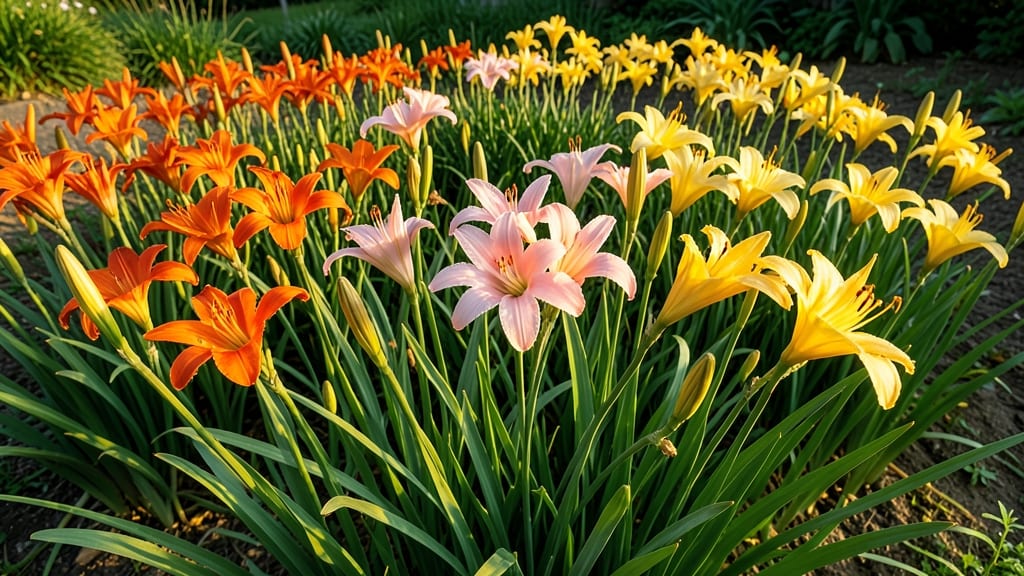
If you want a perennial that never quits, meet the daylily—your garden's ultimate survivor. With over 20,000 cultivars to choose from, you'll find shades of orange, pink, or yellow that bloom from early summer until frost, offering nonstop color with almost zero effort.
This adaptable plant thrives in full sun to partial shade and handles everything from drought to heavy clay soil. Its reliable spread means you'll get more blooms each year, while its resistance to deer and rabbits makes it a low-maintenance workhorse. Just divide clumps every few years to keep them vigorous.
Perfect for beginner gardeners or busy homeowners, daylilies deliver instant summer cheer with minimal care. 🌻
Russian Orange: Winter-Blooming Surprise

If your garden feels like a sleepy winter wonderland, Russian orange (Physocarpus opulifolius 'Little Devil') will jolt you awake with its vibrant orange blooms appearing in late winter—often before snow has melted. This underrated perennial thrives in full sun to partial shade and handles Zone 6A winters with ease, even surviving down to -40°F when properly mulched.
Native to eastern North America, Russian orange produces clusters of bright orange flowers that contrast beautifully against its dark purple foliage. It’s a low-maintenance workhorse that tolerates drought once established and attracts pollinators early in the season. Prune back stems after flowering to encourage bushier growth and prevent legginess.
Perfect for gardeners who crave early-season color and want a plant that defies winter dormancy, Russian orange is ideal for borders, shrub beds, or as a focal point in containers. 🌟