
Planting
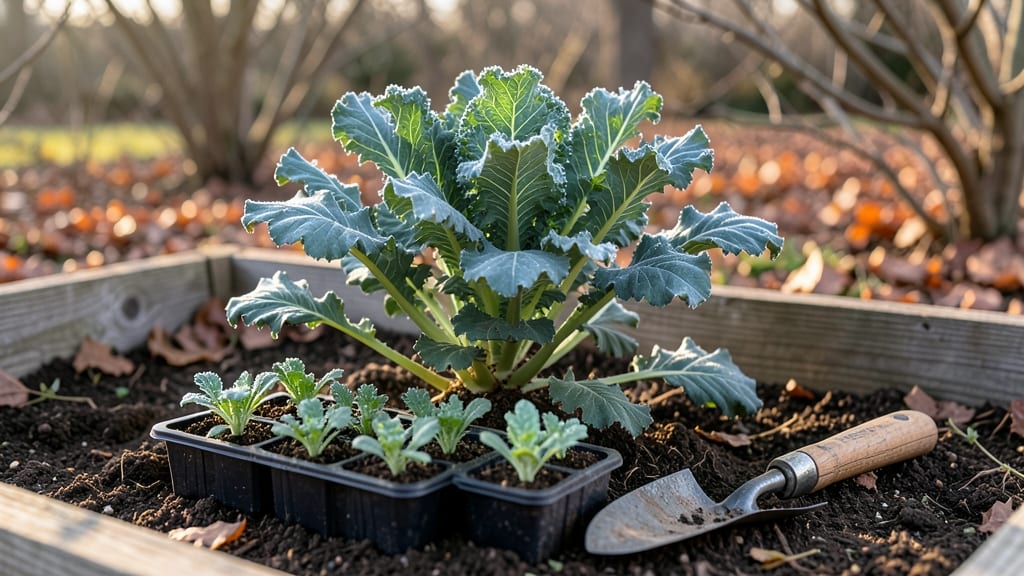
Your Zone 6b fall planting schedule is the secret to a harvest that lasts well into winter—if you nail the timing.
Picture this: You’ve spent all summer nurturing your garden, but if you miss the late-August to early-October window, frost will shut down your fall crops before they even mature.
That’s why knowing exactly when to plant each variety—from hardy kale to tender spinach—can mean the difference between a bountiful table and a sad, half-empty pantry.
In Zone 6b, where the first frost typically arrives around mid-October, the key is planting fast-maturing varieties 4-6 weeks before the ground freezes.
But not all crops play by the same rules: leafy greens like lettuce and spinach can handle cooler temps, while root vegetables like carrots and beets need a little more time in the ground.
We’ll break down the ideal weeks to plant each type, so you can avoid the common mistakes that leave gardeners scrambling in September.
By the end of this guide, you’ll have a clear, week-by-week schedule tailored to Zone 6b’s climate—plus tips on soil prep, frost protection, and even how to extend your harvest into December. No more guesswork, just a foolproof plan for fall gardening success.

Zone 6B fall planting timeline: exact weeks to Plant by crop type
Timing your Zone 6B fall planting correctly means the difference between a bountiful harvest and wasted effort. The first frost typically arrives around October 15th in most of Zone 6B, but cooler microclimates (like valleys) can see frost 2 weeks earlier.
Warmer areas near Zone 7A may delay frost until late October. Planning ahead ensures your cold-hardy crops mature before winter sets in.
Fall planting in Zone 6B isn’t just about avoiding frost—it’s about leveraging cooler temperatures for slower-growing, flavor-rich vegetables. Many leafy greens and root vegetables actually taste sweeter after a light frost.
The key is starting 6-8 weeks before your expected frost date, adjusting for soil temperatures that drop below 50°F by late September.
📅 Here’s your actionable timeline, broken down by crop type and weekly planting windows. Use this as your guide to maximize your fall garden’s potential, whether you’re sowing seeds, transplanting seedlings, or planting bulbs for spring.
| Week of Planting | Crop Type | Examples | Notes |
|---|---|---|---|
| Late July - Early August | Early Maturing Vegetables | Bush beans, zucchini, cucumbers | Sow seeds directly; harvest before frost. |
| Mid-August | Leafy Greens (Start Indoors) | Lettuce, spinach, kale seedlings | Transplant outdoors in September. |
| Early September | Root Vegetables | Carrots, beets, radishes | Direct sow; avoid bolting with shade cloth. |
| Mid-September | Brassicas | Broccoli, cabbage, Brussels sprouts | Transplant seedlings; mulch for frost protection. |
| Late September | Cold-Hardy Herbs | Cilantro, parsley, chives | Sow seeds; harvest before hard freeze. |
| Early October | Fall Bulbs | Garlic, onions, tulip bulbs | Plant before ground freezes. |
| Mid-October | Cover Crops | Clover, winter rye | Improve soil for next spring. |
If you’re in Zone 6A (earlier frost) or Zone 7A (later frost), adjust your timeline by 1-2 weeks.
For example, Zone 6A gardeners should start leafy greens indoors in July and transplant by mid-August, while Zone 7A gardeners can extend fall planting until early November for frost-sensitive crops like kale or spinach.
Pro tip: Use row covers or cold frames to push your fall harvest window 2-3 weeks later. These tools create a microclimate that traps heat, protecting tender crops like bush beans or peppers from early frosts.
I’ve extended my green bean harvest by 3 weeks using simple hoop tunnels covered with frost cloth.
Don’t overlook soil preparation—fall planting thrives in well-draining, nutrient-rich soil. Amend your beds with compost or aged manure in late summer to give roots a head start. Test your soil pH; most fall vegetables prefer a 6.0-7.0 range.
I always add a balanced fertilizer (like 5-10-10) when transplanting brassicas to ensure robust growth before winter.
For container gardening, choose fast-maturing varieties like bush beans or radishes, which thrive in 5-gallon pots. Place containers near south-facing walls to maximize sun exposure during shorter fall days. I’ve grown lettuce in hanging baskets all winter long by moving them to a sunroom during sub-freezing temps.
Remember: Frost dates vary yearly. Check your local Cooperative Extension Service for updated frost predictions. Even a 2-week delay in planting can mean the difference between a thriving crop and a frost-damaged garden. Mark your calendar now—your
Best cold-hardy crops for Zone 6B fall planting: what to grow and when
Fall gardening in Zone 6B is all about timing—plant too early, and your crops bolt; too late, and frost steals your harvest. The key is selecting cold-hardy varieties that thrive in cooler temperatures while still maturing before winter sets in.
My favorite fall crops balance speed, flavor, and frost tolerance, ensuring a bountiful harvest even as temperatures dip.
For leafy greens, I always start with spinach and kale, which sweeten up after light frosts. Root vegetables like carrots and radishes also perform exceptionally well, while brassicas such as broccoli and Brussels sprouts reward patience with robust yields.
The secret? Planting at the right time—typically 4-6 weeks before your first frost date—to ensure they mature before winter arrives.
- 🥬 Leafy Greens (Spinach, Kale, Lettuce) – Plant: August 15–September 15, Harvest: 30–50 days, Frost Tolerance: High (survives 20°F)
- 🥕 Root Vegetables (Carrots, Radishes, Beets) – Plant: August 1–September 10, Harvest: 40–60 days, Frost Tolerance: Medium-High (radishes tolerate 15°F)
- 🥦 Brassicas (Broccoli, Brussels Sprouts, Cabbage) – Plant: July 15–August 30, Harvest: 60–90 days, Frost Tolerance: Medium (sprouts sweeten at 25–30°F)
- 🌿 Herbs (Cilantro, Parsley, Chives) – Plant: August 1–September 15, Harvest: 30–45 days, Frost Tolerance: High (cilantro thrives at 50–60°F)
- 🍅 Cold-Tolerant Tomatoes & Peppers – Plant: August 1–15, Harvest: 50–70 days, Frost Tolerance: Low (harvest before 30°F)
Don’t overlook underrated varieties like ‘Winter Density’ kale or ‘Rainbow Carrots’, which add color and nutrition to your fall table. These crops not only survive frost but often improve in flavor after a light freeze.
For example, ‘Winterbor’ kale remains crisp and sweet even when temperatures drop to 15°F, making it a staple in my garden.
When planning your Zone 6B fall garden, prioritize fast-maturing varieties to avoid bolting. For instance, ‘Cherry Belle’ radishes mature in just 25 days, while ‘Winterbor’ kale takes 60 days but keeps producing until spring.
Always check seed packets for days to maturity and adjust planting dates accordingly—this is how I’ve avoided wasted effort over the years.
Soil prep is just as critical as timing. Before planting, amend your garden beds with compost or aged manure to boost nutrient levels. Fall crops thrive in well-draining, fertile soil, so I recommend a balanced fertilizer (5-10-10) at planting.
For root vegetables, loose soil is a must—work in sand or perlite if your native soil is clay-heavy, as I’ve had to do in past gardens.
Finally, keep an eye on your local frost dates. In Zone 6B, the average first frost arrives around October 15, but this can vary by 1–2 weeks depending on your exact location.
To hedge your bets, I always plant a successive crop every 2 weeks for a staggered harvest. This way, even if an early frost hits, you’ll still have fresh greens on the table.