
Planting
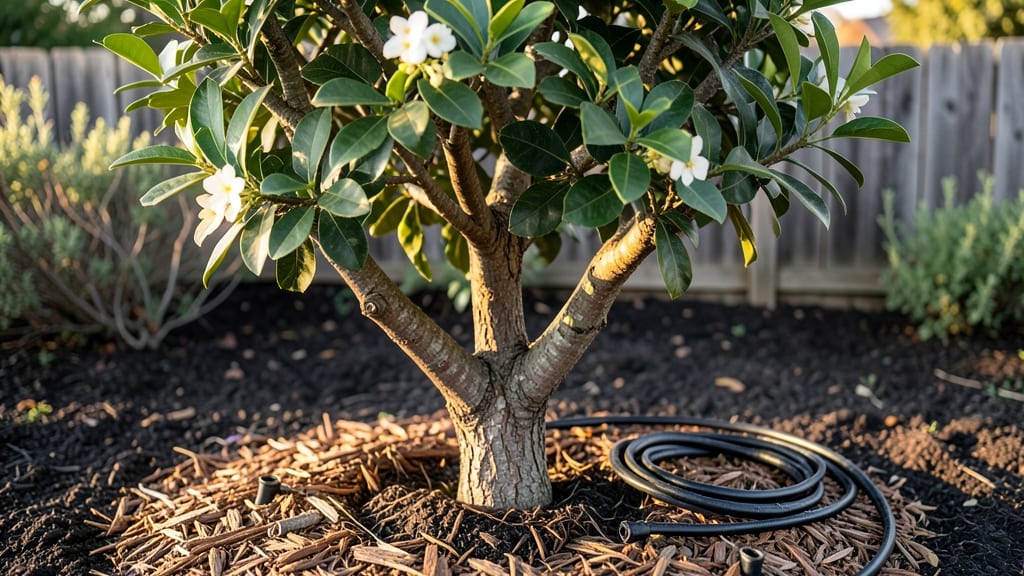
Zone 9 gardening thrives year-round with frost-free conditions, but precise planting timing—like starting warm-season crops in late February and cool-season crops in September—maximizes yields and avoids heat stress. Frost-free dates typically range from December 15 to January 15.
Zone 9's unique climate lets you grow almost any plant, but timing is everything to avoid heat shock or stunted growth. 🌱 The frost-free window means you can plant cool-season crops like lettuce in early fall and still harvest before winter chill sets in.
For warm-season plants, starting seeds indoors in late winter gives them a head start before soil temperatures rise. Microclimates—like urban heat islands or shaded areas—can shift ideal planting by weeks, so I always check local weather patterns before committing to a schedule.
What sets Zone 9 apart is its ability to grow tropical plants year-round, but even here, heat waves can stress plants. Succession planting every 2-3 weeks keeps your garden productive, while mulching helps maintain soil moisture during the dry season.
The key is balancing the extended growing season with proper crop rotation to prevent soil depletion.
💡 In This Article
- Understanding Zone 9’s Frost-Free Windows for Plant Growth
- Monthly Zone 9 Planting Calendar by Crop Type
Understanding Zone 9’s frost-free windows for plant growth
Zone 9's frost-free climate creates a unique growing environment where plants experience minimal temperature extremes. The absence of hard freezes means soil temperatures stay above 50°F for most of the year, allowing tropical and subtropical plants to thrive.
This extended warmth period—typically 300-365 days frost-free—lets gardeners grow crops year-round that would perish in colder zones. The key difference lies in how plants respond to temperature fluctuations: while Zone 5 plants need cold stratification to break dormancy, Zone 9 plants often rely on consistent warmth for germination.
Frost-free dates in Zone 9 shift based on elevation and proximity to coasts. For example, coastal areas like San Diego experience December 15 to January 15 frost-free windows, while inland desert regions may see November 1 to March 1 ranges.
These variations create microclimates where certain plants excel—like heat-tolerant okra thriving in inland heat but struggling near cooler coastal breezes. The science behind this involves soil thermodynamics: darker soils absorb more solar radiation, raising temperatures 5-10°F higher than lighter soils during peak sun.
Temperature fluctuations impact plant physiology at every growth stage. Seed germination requires 60-85°F soil temperatures, which Zone 9 achieves naturally for most of the year. However, sudden heat spikes above 95°F can cause bolting in leafy greens or flower drop in tomatoes.
This is why succession planting—sowing seeds every 2-3 weeks—maintains continuous harvests. The extended growing season also means some plants, like sweet potatoes, can mature twice per year if planted in spring and fall.
What most gardeners overlook is how humidity interacts with temperature. Zone 9's high humidity (often 70%+) creates ideal conditions for fungal diseases, which is why proper airflow and spacing are critical. For instance, basil thrives in these conditions but requires 12+ inches between plants to prevent mildew.
The frost-free window also affects flowering cycles—some plants like zinnias bloom continuously when nights stay above 55°F, while others need cooler evenings to set buds.
Consider these key factors when planning your Zone 9 garden:
- Soil temperature: Use a soil thermometer to verify 60°F+ before planting warm-season crops
- Heat tolerance: Choose varieties like 'Black Beauty' eggplants or 'Solar Fire' peppers bred for 100°F+ conditions
- Shade strategies: Use 30-50% shade cloth during summer peaks to protect heat-sensitive plants
- Watering schedules: Deep water 2-3 times weekly during dry seasons to maintain soil moisture
The extended growing season means you can experiment with tropical plants like papayas or yuccas that would never survive Zone 5 winters. However, even in Zone 9, late summer heat waves can stress plants—this is why mulching with 3-4 inches of organic matter helps regulate soil temperature and retain moisture.
The frost-free window isn't just about avoiding cold; it's about managing the perfect balance of warmth, humidity, and light for each plant's specific needs. 🌿