
Flowers
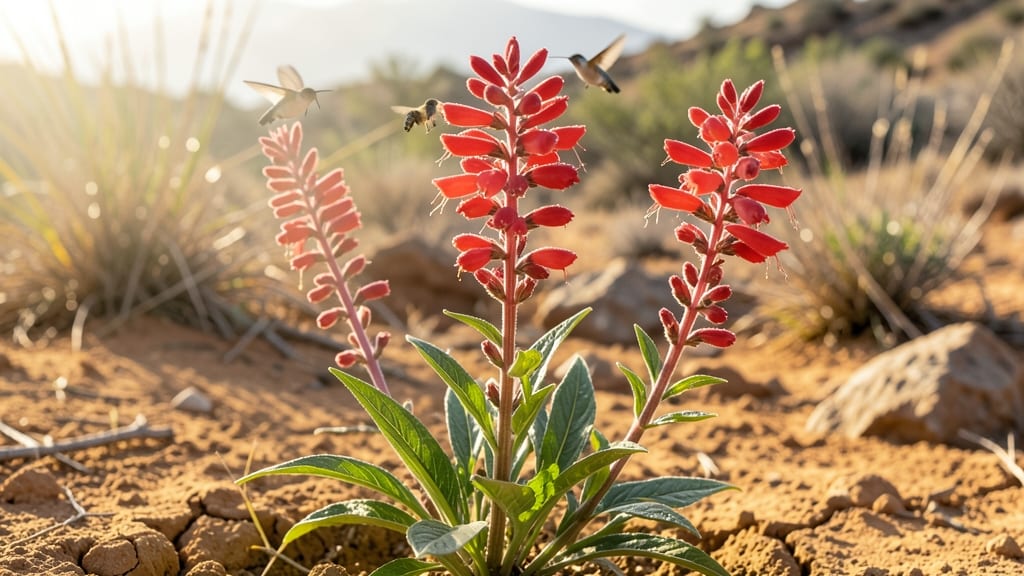
Southern California’s Zone 9B climate demands flowers that bloom effortlessly while conserving water. These 10 drought-tolerant beauties not only survive the heat but transform dry landscapes into vibrant, low-maintenance gardens.
California Poppy: Golden Sunshine for Dry Gardens
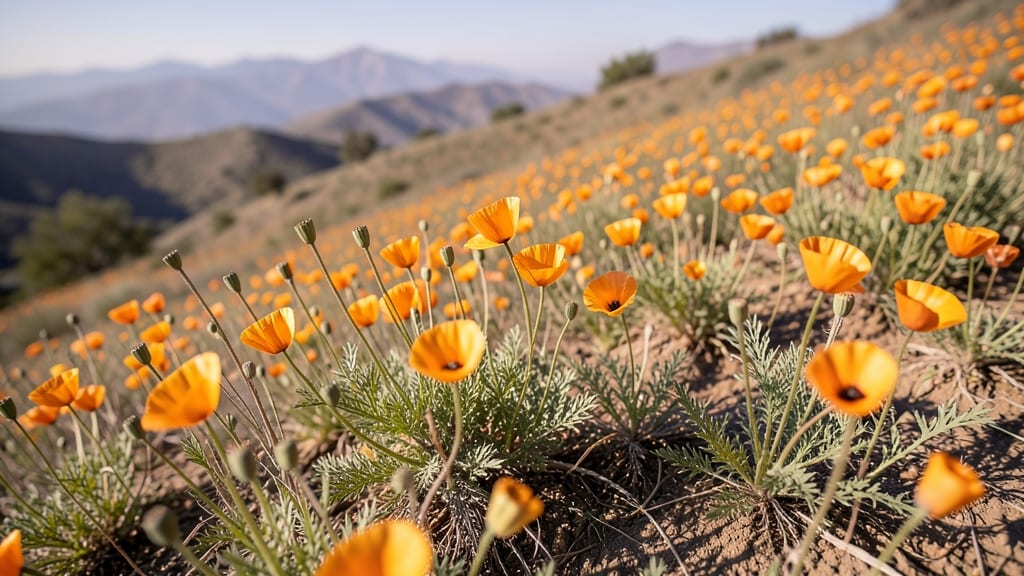
If you dream of a garden that thrives on sunlight and next-to-no water, the California poppy is your golden ticket. This native wildflower blankets dry hillsides with cheerful orange blooms—all while requiring zero irrigation once established.
Plant seeds in late fall or winter for spring blooms, and watch them self-seed prolifically year after year. They adore full sun (6+ hours daily) and well-draining soil, making them perfect for rock gardens or pollinator meadows. Deadhead spent blooms to encourage more flowers, but otherwise, they’re completely carefree.
Perfect for beginners, urban gardeners with poor soil, and anyone craving a drought-proof pop of color. 🌻
Lavender: Fragrant Purple Perennial for Heat Resistance
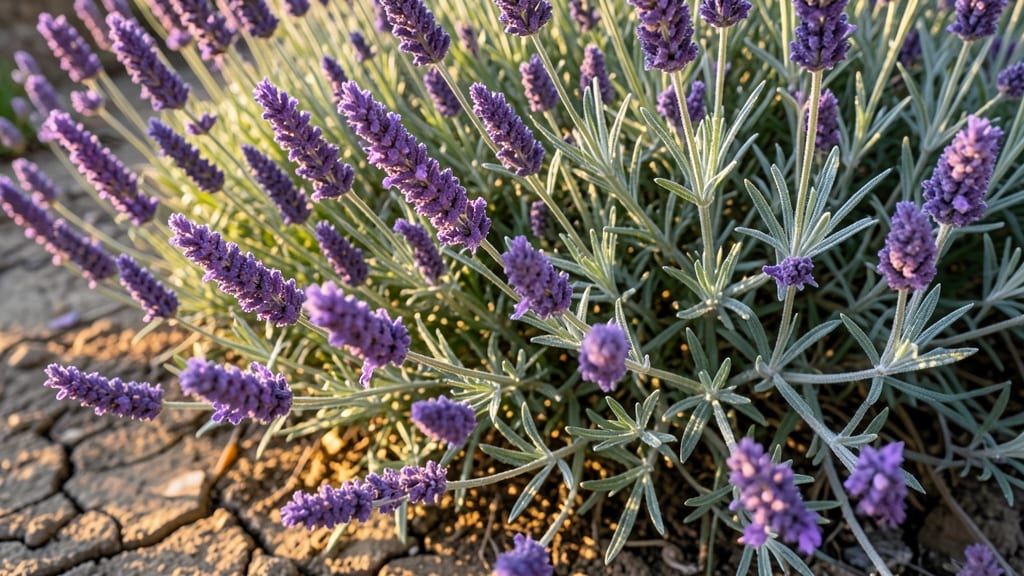
Tired of flowers that wilt under Zone 9B’s relentless sun? Lavender isn’t just a pretty purple perennial—it’s a drought-proof powerhouse that thrives in heat while repelling pests naturally. Its silvery-green foliage and fragrant blooms create a sensory experience that’s as functional as it is beautiful.
This medicinal and culinary herb grows effortlessly in poor, well-draining soil with minimal water once established. Plant it in full sun (6+ hours daily) for the best fragrance and blooms. Prune lightly after flowering to encourage bushier growth, and harvest stems for sachets, teas, or culinary seasoning. Bonus: Its strong scent deters mosquitoes and deer!
Perfect for urban gardeners with containers or those creating fragrant borders, lavender’s versatility makes it a must-have for low-maintenance, multi-purpose gardens. 🌻
Desert Marigold: Bold Orange Blooms with Zero Care
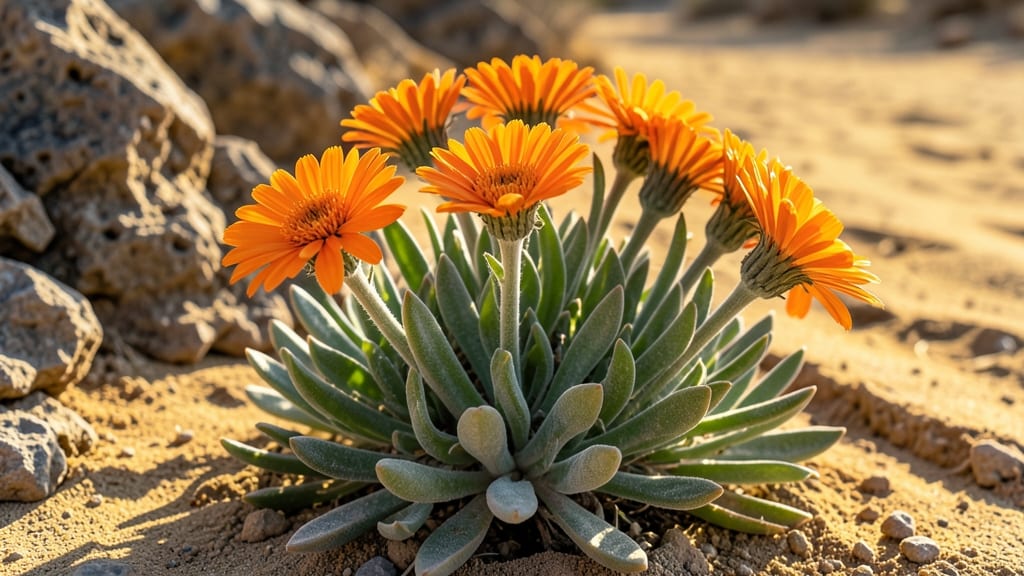
Tired of flowers that demand constant attention? The desert marigold (Baileya multiradiata) delivers vibrant orange blooms without the fuss, thanks to its thick, succulent-like leaves that store water like a cactus.
This drought-tolerant beauty thrives in full sun and sandy or rocky soil, making it perfect for xeriscapes. Water it just once a week after establishment, and it’ll reward you with year-round color in Zone 9B. Its low, spreading habit also makes it ideal for ground cover or mass planting in sunny borders.
Urban gardeners and busy homeowners will love how this plant thrives on neglect while still attracting butterflies. It’s the ultimate "plant it and forget it" flower for heat-loving gardens. 🌻
Texas Sage: Silver-Foliaged Shrub with Purple Flowers
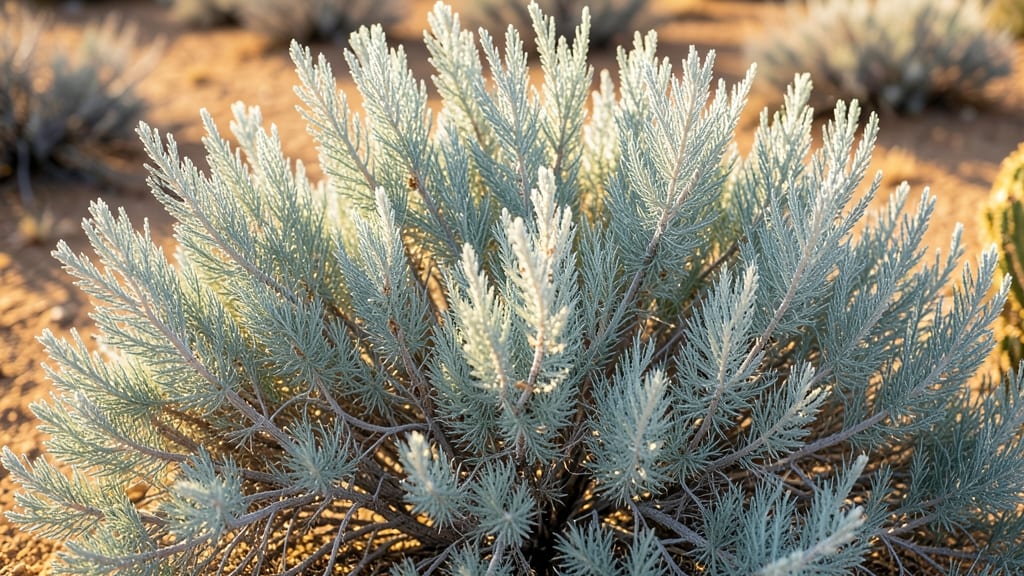
If you're craving a drought-resistant shrub that thrives in Zone 9B's scorching summers, Texas sage (Leucophyllum frutescens) is your answer. Its silvery foliage isn't just stunning—it reflects sunlight, reducing evaporation and keeping roots cool in the heat.
This heat-loving perennial blooms spectacularly in purple after rain or drought, earning its nickname "purple rain shrub." Plant it in full sun to partial shade and water deeply but infrequently—once established, it survives on rainfall alone. Prune lightly after flowering to maintain shape, and watch it attract bees and butterflies.
Perfect for modern landscapes, Texas sage adds texture and color with minimal effort. Urban gardeners and eco-conscious landscapers will love its ability to thrive in poor, rocky soil while requiring almost no water once rooted. 💚
Blanket Flower: Long-Blooming Gaudy Gaillardia
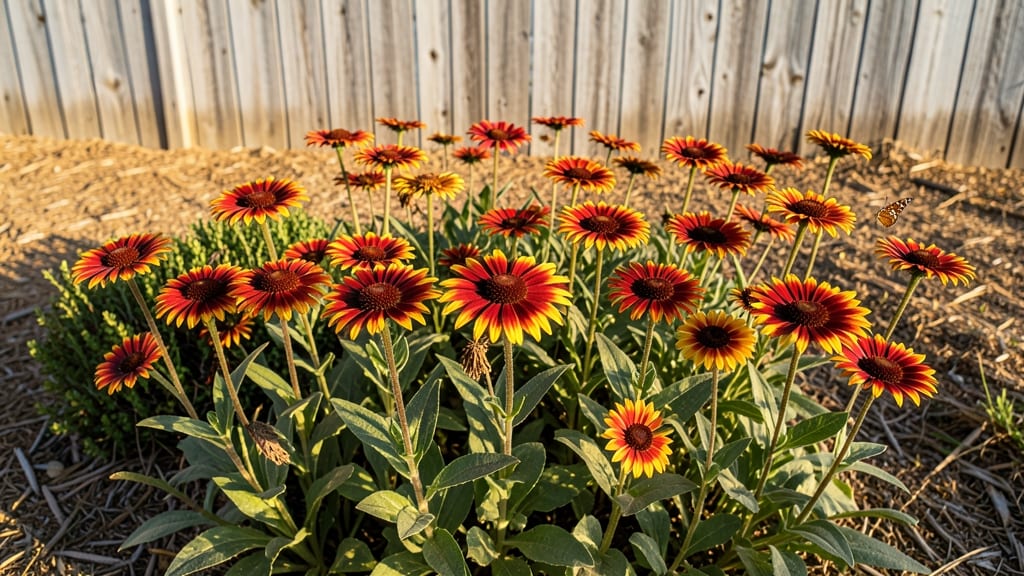
Tired of flowers that fade fast in the Zone 9B heat? Blanket flower (Gaillardia) delivers bold, long-lasting blooms from spring until frost—no matter how hot it gets. This heat-loving annual thrives where others wilt, making it the perfect workhorse for sunny borders and pollinator gardens.
Plant Gaillardia in full sun and sandy or well-draining soil (it even tolerates poor soil). Deadhead spent blooms to encourage continuous flowering, and watch as butterflies flock to its red-and-yellow daisy-like flowers. Unlike many plants, it’s also deer-resistant, so your garden stays vibrant without constant pest battles.
Ideal for beginner gardeners and low-maintenance landscapes, blanket flower adds year-round color with almost no effort. Just add water occasionally, and let it shine. 🌻
Ice Plant: Succulent with Stunning Pink Blooms
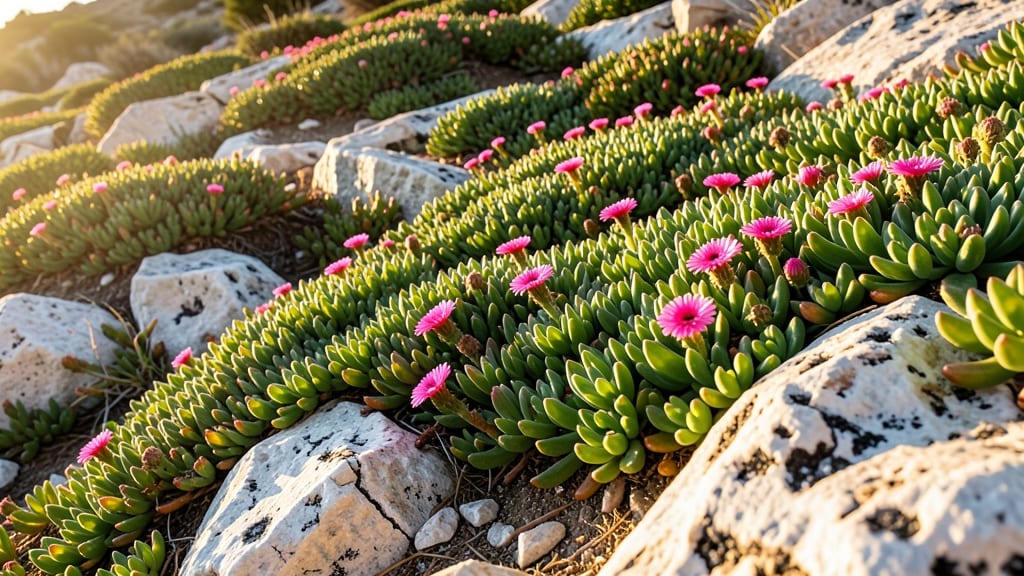
If you're dreaming of a rock garden or slope that stays lush without constant watering, the ice plant (Delosperma) is your answer. This drought-resistant succulent spreads quickly, creating a vibrant carpet of pink blooms that only open when the sun shines—adding a magical touch to dry landscapes.
Ice plant thrives in full sun and well-draining soil, making it perfect for rocky or sandy areas where other plants struggle. Water it sparingly—once established, it survives on rainfall alone. Its thick, fleshy leaves store moisture, while its cheerful flowers attract pollinators like bees and butterflies. Prune back spent blooms to encourage more flowers and control its spreading habit.
This low-maintenance beauty is ideal for urban gardeners or beginner succulent lovers who want color without the fuss. Plant it in containers for patios or let it cascade over walls for a wild, natural look. 🌟
Salvia ‘Bee’s Bliss’: Hummingbird Magnet with Purple Spikes
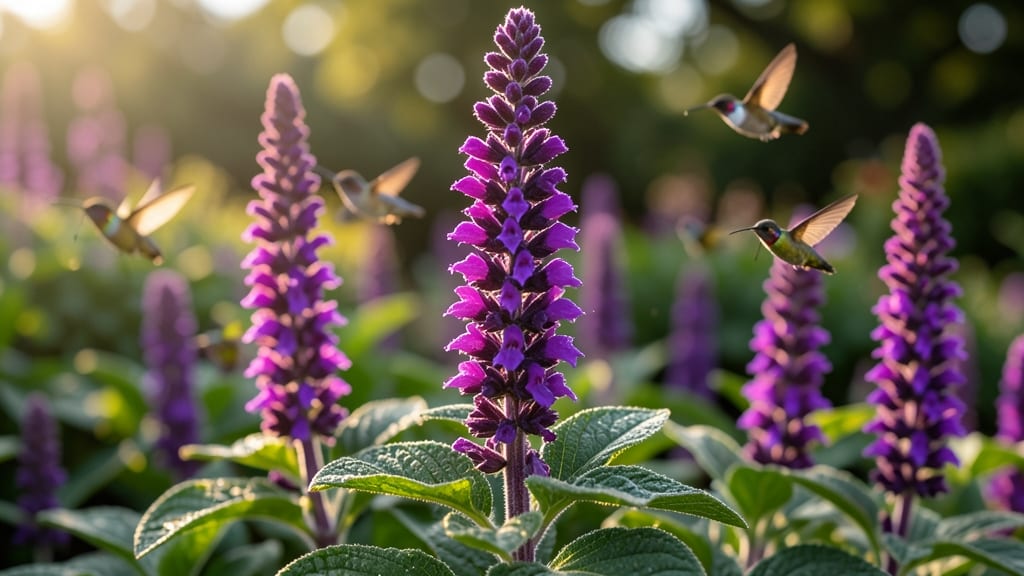
If you’ve ever watched hummingbirds dart between flowers with lightning speed, you’ll want Salvia ‘Bee’s Bliss’ in your garden. This drought-tolerant perennial produces striking purple spikes that bloom continuously from spring through fall, offering a never-ending feast for pollinators.
Thriving in full sun to partial shade, ‘Bee’s Bliss’ is remarkably low-maintenance once established, requiring only occasional watering after its root system develops. Its nectar-rich blooms attract hummingbirds, bees, and butterflies, making it a powerhouse for pollinator gardens. Deadhead spent flowers to encourage more blooms and watch your garden become a buzzing hotspot.
Perfect for gardeners in Zone 9B who want year-round color without the fuss, this salvia also works beautifully in containers or mixed borders. Plant it near seating areas to enjoy the show up close! 🌟
Yarrow: Fern-Like Foliage with Flat-Topped Clusters
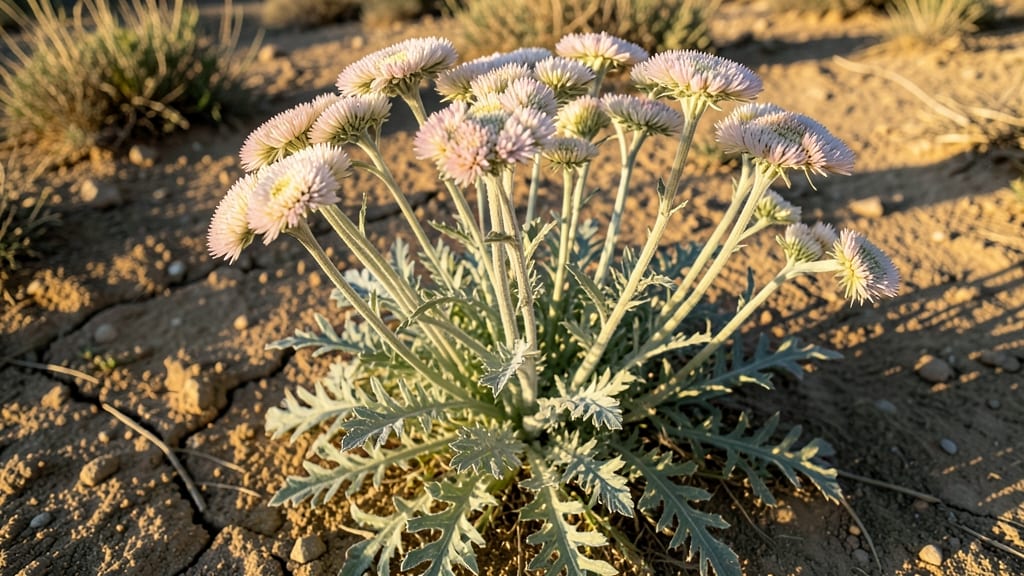
Looking for a Zone 9B flower that’s as tough as it is beautiful? Meet yarrow, a medicinal herb with delicate fern-like foliage and flat-topped clusters that bloom from spring to fall. Unlike other flowers, yarrow thrives in full sun and dry conditions, making it a standout for water-wise gardens.
This versatile plant produces pink, white, or yellow flower heads that attract pollinators while its feathery leaves add texture to cottage-style gardens. Yarrow’s deep roots make it drought-resistant once established, and it even self-seeds for naturalized meadows. Plus, its herbal properties (like wound healing) add a functional bonus to your landscape.
Perfect for gardeners who want low-maintenance beauty with a touch of history—yarrow’s hardiness and charm make it a must-have for any Zone 9B garden. 🌻
Red Yucca: Architectural Spikes with Star-Shaped Flowers
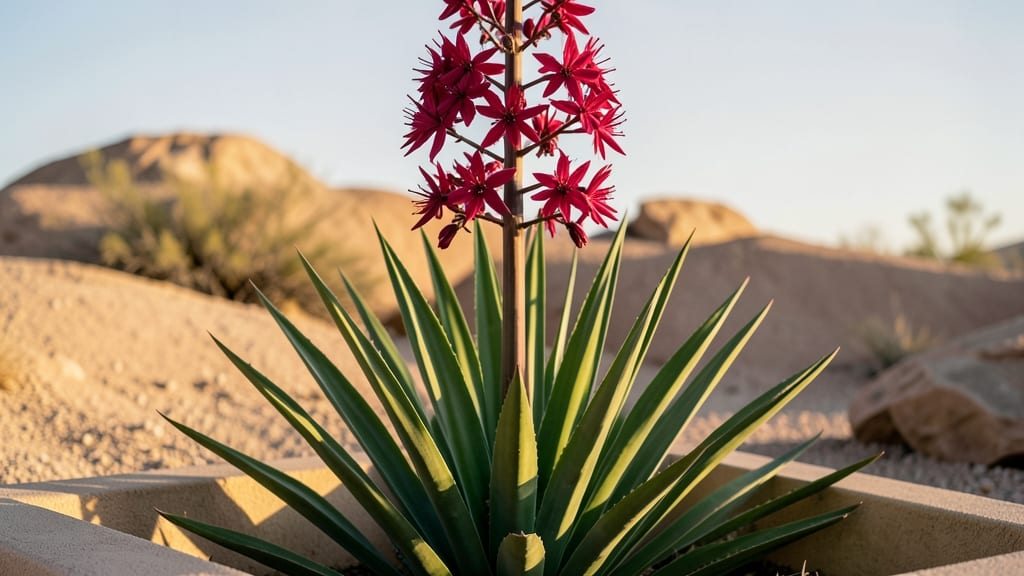
Looking for a dramatic vertical statement plant that thrives in Zone 9B’s dry heat? Red yucca delivers bold architecture with its striking star-shaped red flowers and spiky, sword-like foliage—perfect for modern or desert-inspired gardens.
This semi-succulent stores water in its leaves, making it incredibly drought-resistant once established. Plant it in full sun with well-draining soil (it tolerates rocky or sandy conditions) and water deeply but infrequently—just once every 2-3 weeks after the first year. The 3-6 foot tall spikes create natural vertical lines, while its late summer to fall blooms provide seasonal drama.
Urban gardeners and minimalist designers love red yucca for its low-maintenance elegance—it pairs beautifully with agave, cacti, or other desert plants. Plus, its deer-resistant nature makes it a hassle-free choice for rural landscapes too. 🌻
California Fuchsia: Ephemeral Red Blooms for Pollinators

If you crave bold, seasonal color without the fuss of high-maintenance perennials, California fuchsia (Epilobium canum) delivers a dramatic punch in just weeks. This native annual bursts into vibrant red tubular blooms that hummingbirds and bees can’t resist, making it a pollinator powerhouse for dry gardens.
Plant seeds in late winter for spring blooms, and watch them thrive in full sun to partial shade with minimal water once established. The succulent-like stems store moisture, while the ephemeral blooms last only a few weeks but create a stunning focal point. Deadhead spent flowers to encourage more blooms, and enjoy the show before the plant self-seeds for next year.
Perfect for urban gardeners or beginner-friendly beds, California fuchsia turns dry spots into a pollinator magnet with almost no effort. 🌟