
Planting
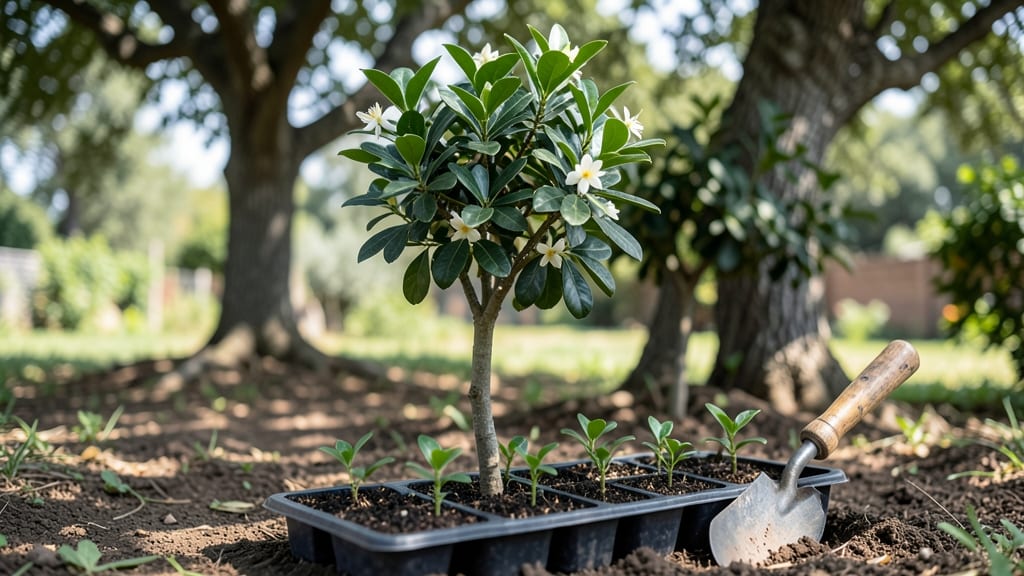
A Zone 9b planting calendar 🌱 is your secret weapon for turning a chaotic garden into a well-timed, high-yielding success—no more guessing when to plant or watching crops bolt in the heat.
If you live in Zone 9B, timing your plantings perfectly can mean the difference between a bountiful harvest and a wasted season—but knowing exactly when to plant each crop is tricky.
This month-by-month guide reveals the optimal planting windows for vegetables, flowers, and herbs in your region, so you never miss a planting deadline again.
Most gardeners in Phoenix, Southern California, or Southern Florida struggle with the same problem: the heat arrives early, and the wrong planting window leaves you with sad, stunted plants.
But the key is working with the climate, not against it—planting cool-season crops in fall and winter, while saving heat-lovers for spring and early summer.
Below, I break down the exact months to plant everything from tomatoes to basil, plus how to adjust for microclimates, so you can enjoy fresh harvests year-round without the stress.
Zone 9B planting calendar: best month-by-month planting schedule for vegetables
Living in Zone 9B means you can grow vegetables year-round—but timing is everything. Unlike northern climates, we don’t have to worry about frost, but summer heat can be just as challenging.
The key is planting cool-season crops in late summer/fall and warm-season staples in early spring to avoid the hottest months. This schedule keeps your garden productive without wilting under the midday sun.
I’ve broken this down by month, including succession planting tips for continuous harvests. Whether you’re growing tomatoes, peppers, or leafy greens, this calendar ensures you never miss a planting window. Pro tip: Mulch heavily in summer to retain moisture and protect roots from heat stress.
📅 Key Rules for Zone 9B: - Avoid planting warm-season crops (tomatoes, peppers, cucumbers) in June-August—they’ll struggle with temps above 90°F. - Cool-season crops (lettuce, spinach, broccoli) thrive in fall/winter but bolt in summer heat. - Succession plant fast growers like bush beans and radishes every 2-3 weeks for nonstop harvests.
| Month | Cool-Season Crops | Warm-Season Crops | Succession Planting Tips |
|---|---|---|---|
| January | Lettuce, Spinach, Kale, Broccoli, Peas | Tomatoes (start seeds), Peppers, Eggplant | Sow carrots every 2 weeks for continuous harvests. |
| February | Cabbage, Cauliflower, Radishes, Arugula | Transplant tomatoes, peppers, basil | Direct-sow bush beans every 3 weeks. |
| March | Green Onions, Swiss Chard, Mustard Greens | Cucumbers, Okra, Sweet Potatoes | Thin seedlings; add trellises for vining crops. |
| April | None (heat-sensitive) | Peas (late varieties), Corn, Melons | Mulch heavily to conserve moisture. |
| May | Shade-tolerant: Lettuce (under cover) | Pumpkins, Zucchini, Green Beans | Harvest early morning to avoid wilting. |
| June | None (too hot) | Okra, Sweet Corn, Peppers (late varieties) | Water deeply at soil level to prevent leaf burn. |
| July | None | Eggplant, Basil, Malabar Spinach | Prune leggy plants; provide afternoon shade. |
| August | Start cool-season seeds indoors | Tomatoes (heat-tolerant varieties) | Prepare beds for fall planting; add compost. |
| September | Lettuce, Spinach, Broccoli, Carrots | Peppers, Eggplant, Okra | Direct-sow radishes and turnips for quick harvests. |
| October | Cabbage, Kale, Peas, Beets |
How to adjust your Zone 9B planting timeline for extreme weather or microclimatesZone 9B’s frost-free climate makes it ideal for year-round gardening, but unpredictable heatwaves or localized microclimates—like urban heat islands or coastal breezes—can throw off your planting schedule. When a sudden cold snap or record-breaking heatwave hits, knowing how to shift your planting dates keeps your garden thriving without wasted effort or lost crops. For example, if you’re growing heat-sensitive lettuce in a coastal microclimate, you might plant it 2-3 weeks earlier than inland areas to avoid summer wilting. Conversely, okra or sweet potatoes can handle 100°F+ temps, so you could push their planting 2 weeks later without stress. The key is flexibility—adjusting based on real-time weather and your garden’s unique conditions. 🚨 callout-warning ⚠️
⚠️ Extreme Weather Warning: Zone 9B’s Microclimates Demand Action
Urban Heat Islands: Concrete and pavement can raise temps by 10-15°F—plant heat-tolerant varieties like Malabar spinach or Swiss chard and use shade cloth for delicate greens. Coastal Areas: Salty winds and cooler temps may delay planting by 1-2 weeks; opt for wind-resistant crops like kale or collards and mulch heavily. Heatwaves: Pause planting until temps drop below 95°F—seedlings won’t survive without shade or row covers. Water deeply at dawn to prevent shock. Cold Snaps: Protect tender plants with frost blankets or move potted crops indoors temporarily. Avoid fertilizing during stress—focus on hydration instead. To harden off seedlings when adjusting your timeline, start 5-7 days before transplanting by exposing them to outdoor conditions gradually. Place them in dappled shade for 2-3 hours/day, increasing exposure by 1 hour daily. This toughens stems and roots so they can handle temperature swings without shock. For heat-sensitive crops like cucumbers, use lightweight row covers to reduce soil temps by 10-15°F while still allowing sunlight. Another smart strategy is choosing heat-tolerant varieties—like ‘Black Krim’ tomatoes or ‘Jalapeño M’ peppers—that thrive in 90°F+ temps. These can be planted 2-4 weeks later than traditional varieties without sacrificing yield. Pair this with drip irrigation to keep roots cool and mulch (straw or wood chips) to retain moisture. For coastal gardens, select salt-tolerant plants like rosemary or quinoa, which handle salty air better than standard varieties. If a late-spring cold snap threatens, delay planting until nighttime lows stay above 50°F. Use black plastic mulch to warm soil faster or plant in containers near a sunlit wall for extra protection. For extended heatwaves, shift leafy greens to shadier spots or succession plant every 2 weeks to ensure a continuous harvest. Monitor your garden’s microclimate by checking soil temps (ideal: 60-70°F for most seeds) with a soil thermometer—this tells you exactly when conditions are safe to plant. Finally, keep a garden journal to track how microclimates affect your plants year after year. Note which varieties thrive in your specific conditions and when unexpected weather disrupted your schedule. Over time, you’ll refine your Zone 9B planting calendar to account for your unique challenges, ensuring bountiful harvests no matter what Mother Nature throws your way. 🌡️ |