
Companion Plants
Discover 10 hardy 9b growing zone plants that not only thrive in your climate but also act as natural pest deterrents. These companion plants boost garden health while reducing chemical reliance—ideal for organic gardeners.
Marigold Flowers for Pest Prevention

Want a garden that practically repels pests without the chemicals? Marigolds are your secret weapon—these cheerful annuals deter nematodes, aphids, and even rabbits while luring in pollinators like bees and butterflies. Their bright blooms also add a pop of color to borders or containers with minimal effort.
Plant French marigolds (like 'Bonanza' or 'Tangerine') in full sun for best results, and they’ll thrive in Zone 9b’s warm climate with just average soil. For extra pest protection, interplant them with tomatoes, cucumbers, or squash. Deadhead spent blooms to encourage more flowers and deter pests year-round.
Perfect for beginners or busy gardeners, marigolds are drought-tolerant once established and self-seed easily—meaning you’ll have even more pest-fighting power next season. 🌻
Basil Herbs for Mosquito Control

Tired of mosquitoes ruining your outdoor dinners? Sweet basil isn’t just for pesto—it’s a powerhouse pest repellent that thrives in Zone 9b’s heat while keeping your garden buzz-free. The strong scent deters mosquitoes, flies, and even some beetles, making it a natural alternative to chemical sprays.
Plant basil near tomatoes, peppers, or your patio seating for maximum benefit. It grows quickly in full sun to partial shade, tolerates occasional drought, and can be grown in pots or garden beds. Pinch off flowers to encourage leaf production, and harvest regularly to keep plants lush and productive.
Urban gardeners and organic growers will love how versatile basil is—it’s a low-maintenance way to improve both your garden’s health and your meals. 💚
Lavender Plants for Moth Deterrence

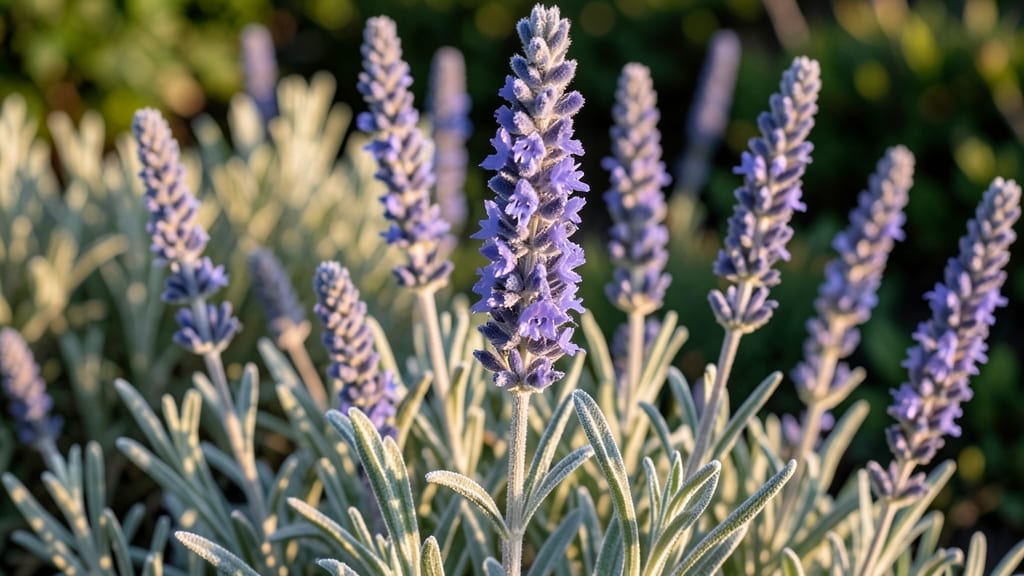
Tired of moths munching your clothes or fleas bothering your pets? Lavender isn’t just a fragrant staple—it’s a powerhouse pest repellent that thrives in Zone 9b’s dry heat. This drought-tolerant perennial naturally deters moths, fleas, and even deer with its strong scent, making it a dual-purpose workhorse for borders or pollinator gardens.
Plant lavender in well-draining soil with full sun (6+ hours daily) and space plants 18–24 inches apart to prevent overcrowding. Prune lightly after flowering to maintain shape, but avoid heavy cuts that can stress the plant. Its silvery foliage and purple blooms also attract bees, turning your garden into a pest-free paradise.
Perfect for low-water landscapes, lavender’s long lifespan (5–10 years) means fewer replacements and more protection. Urban gardeners and organic growers will love its zero-maintenance charm and natural pest control. 💚
Nasturtium Flowers for Aphid Control

Tired of battling aphids on your 9b zone plants? Nasturtiums are your secret weapon—these vibrant annuals act as natural pest traps while adding a peppery kick to your kitchen. Their bright blooms and lush foliage make them a dual-purpose garden hero you’ll love twice.
Plant nasturtiums near susceptible crops like squash, cucumbers, or roses to lure aphids away from your prized plants. The aphids feed on the nasturtium’s tender leaves instead, and the plant’s strong scent deters squash bugs too. For best results, sow seeds directly after the last frost in full sun to partial shade, and watch them bloom in just 6-8 weeks. You can even harvest their leaves for salads or garnishes!
This edible companion plant is perfect for beginners, container gardens, or urban balconies—just ensure they get consistent moisture. With their pest-fighting prowess and culinary versatility, nasturtiums turn your garden into a thriving, self-sustaining ecosystem. 🌻
Rosemary Shrubs for Rodent Repulsion

Tired of gnawed vegetables and nibbled herbs? Rosemary shrubs are your new garden bodyguards, repelling mice, rabbits, and even cabbage moths with their strong scent. Unlike delicate annuals, this woody perennial thrives in poor soil and drought conditions, making it a resilient choice for Zone 9b climates.
Plant rosemary near vulnerable crops like brassicas or along property edges to create a natural barrier. It grows 3-5 feet tall, so prune lightly after flowering to maintain shape. Bonus: Harvest leaves anytime for cooking or sachets—its aroma alone deters pests. This shrub’s year-round greenery also doubles as a low-maintenance hedge.
Urban gardeners and organic growers will love rosemary’s dual role as both pest control and kitchen staple. Just ensure it gets full sun and well-draining soil to keep it thriving. 🌱
Chives for Carrot Fly Defense

Tired of losing carrots to relentless carrot flies? Chives are your secret weapon—this hardy perennial not only repels those pesky pests but also deters aphids while adding a mild onion flavor to your dishes. Unlike annuals, chives come back year after year with almost no effort.
Plant them near your carrot patch in well-draining soil with full sun to partial shade, and watch them spread gently over time. Snip leaves as needed for cooking, and let the flowers bloom to attract pollinators. Their drought-tolerant nature makes them perfect for Zone 9b’s warm climate, thriving in containers or garden beds alike.
Urban gardeners and beginners will love how chives fit into small spaces while delivering double duty—pest control and culinary rewards. 🌱
Catnip Plants for Flea Control

Tired of fleas and ticks ruining your outdoor space? Catnip (Nepeta cataria) isn’t just for cats—it’s a powerhouse pest repellent that thrives in USDA Zone 9b’s warm climate. This hardy perennial spreads effortlessly in full sun, creating a natural barrier against unwanted insects while offering a fun treat for feline visitors.
Plant catnip near patios, garden edges, or even in containers to deter fleas, ticks, and even some garden pests like squash bugs. It’s drought-tolerant once established and blooms with purple flowers that attract pollinators. For best results, shear back stems after flowering to encourage bushier growth and prevent self-seeding where you don’t want it.
Perfect for pet owners, organic gardeners, or anyone who wants a low-maintenance solution, catnip’s dual benefits make it a must-have for sunny Zone 9b gardens. 🌱
Dill Herbs for Spider Mite Prevention

If spider mites are wreaking havoc in your Zone 9b garden, dill is your secret weapon—this fast-growing annual doesn’t just deter pests, it actively attracts their natural predators. Its feathery foliage releases compounds that repel spider mites while luring ladybugs and lacewings, creating a self-sustaining pest-control ecosystem.
Plant dill in full sun to partial shade, where it thrives in well-draining soil. The 30-60 day growth cycle means you’ll get lush, aromatic leaves perfect for pickling or garnishes, all while keeping your garden pest-free. For maximum benefit, interplant dill with tomatoes, cucumbers, or cabbage—it’s especially effective when placed near these spider mite magnets.
This dual-purpose herb is ideal for beginners or organic gardeners looking to reduce chemical use. With minimal care, you’ll enjoy both a pest-resistant garden and fresh herbs for your kitchen. 🌿
Garlic Chives for Japanese Beetle Deterrence

Tired of battling Japanese beetles that devour your roses and veggies? Garlic chives are your secret weapon—a fragrant, edible perennial that repels these pests while thriving in partial shade, making it perfect for shady garden corners or container growing.
This hardy plant releases natural compounds that deter Japanese beetles and aphids while adding a mild garlic-onion flavor to salads, soups, or garnishes. It’s low-maintenance, drought-tolerant once established, and spreads gently to fill gaps in garden beds. Simply snip leaves as needed—no special care required!
Whether you’re an organic gardener or a culinary enthusiast, garlic chives deliver year-round benefits with minimal effort. 🌱
Russian Sage for Deer Resistance

If you’re tired of deer and rabbits munching your prized plants, Russian sage (Perovskia atriplicifolia) is your new garden superhero. This drought-tolerant perennial thrives in Zone 9b with minimal fuss, sporting striking silvery foliage and lavender-blue flower spikes that bloom from mid-summer to fall.
Beyond its deer-repelling prowess, Russian sage attracts bees, butterflies, and hummingbirds, making it a pollinator magnet. Plant it in full sun with well-draining soil—it handles heat and neglect like a champ. Prune back in early spring to encourage bushier growth, and watch it create a low-maintenance border that’s both functional and beautiful.
Perfect for xeriscaping or wildflower gardens, this plant is a must-have for gardeners who want year-round structure without the upkeep. 🌟