
Container Gardens
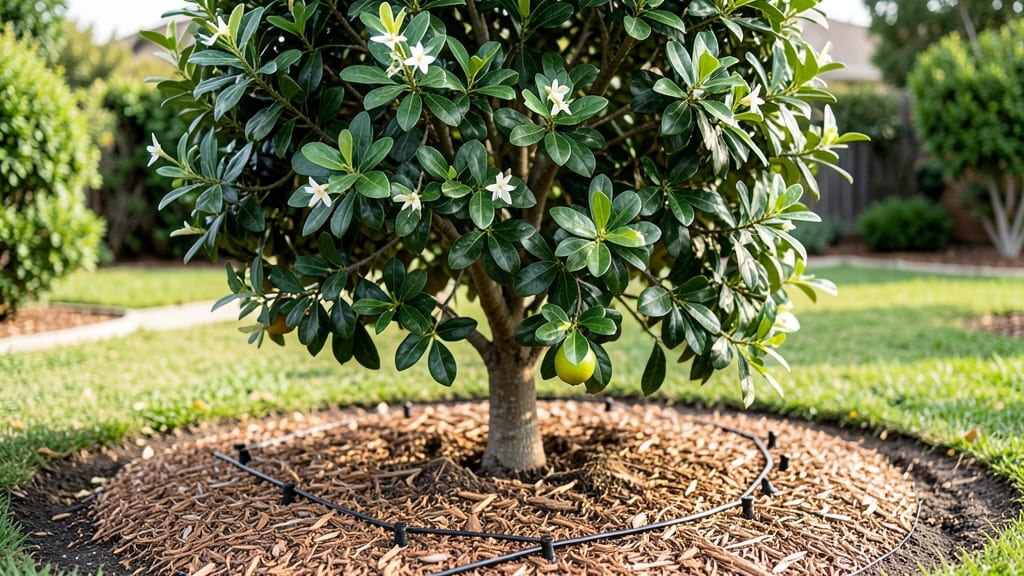
Zone 9A's frost-free growing season is your secret weapon for fast harvests—think tomatoes in 60 days, not 90. 🌱 I’ve grown everything from citrus to peppers here, and the key is planting at the right moment: after the last frost (usually mid-February) and before summer’s brutal heat peaks.
The trick? Start heat-lovers like okra and sweet potatoes early, then shift to shade-tolerant greens as temps climb.
Your toolkit is simple: a moisture meter to avoid drought stress, lightweight mulch to keep roots cool, and a drip irrigation system to beat the afternoon sun.
Zone 9A’s mild winters mean you can grow year-round with the right picks—citrus, bougainvillea, and even winter squash thrive when you time it right. The biggest mistake? Waiting until spring to plant heat-sensitive crops like basil or lettuce.
By mid-summer, you’ll be harvesting juicy heirloom tomatoes and crisp okra while neighbors in colder zones are still waiting. The frost-free window lets you squeeze in two full harvests of fast-growing crops like radishes or bush beans.
Just watch for fungal diseases when humidity spikes—prune for airflow and water in the morning.
Pro tip: Use shade cloth for seedlings during June’s heat waves, and save seeds from your best performers. Zone 9A’s long growing season isn’t just about speed—it’s about stacking harvests like a pro. Start with these timing rules, and you’ll outpace the heat every season.
📚 In This Guide
- What you need
- Instructions
- Tips and common mistakes
- Wrapping up and next steps
What you need
- ● Containers: 5–10-gallon pots (or larger for vining plants) with drainage holes. Tip: Opt for lightweight materials like fabric grow bags or plastic for easy mobility.
- ● High-quality potting mix: 1–2 bags (sterilized, well-draining blend with perlite or vermiculite). Avoid garden soil—it compacts and suffocates roots!
- ● Slow-release fertilizer: 10–20 lbs (organic options like compost or synthetic blends like 10-10-10). Pro tip: Mix 1–2 cups into the soil at planting for a nutrient boost.
- ● Watering can or drip irrigation: With a 1–3 gallon capacity. Zone 9A’s heat demands consistent moisture—aim for 1–2 inches per week.
- ● Mulch: 2–3 inches of organic mulch (straw, wood chips, or coconut coir) to retain moisture and regulate soil temp.
- ● Pruning shears: Sharp, sterilized shears for harvesting and trimming.
- ● Gloves & sun hat: Protect your hands and skin from the Zone 9A sun!
- ● Self-watering planters: Reduce maintenance for busy gardeners.
- ● Shade cloth: 30–50% coverage for heat-sensitive plants (e.g., lettuce, basil).
- ● Garden thermometer: Monitor soil temps—ideal range for most veggies is 60–85°F.
- ● Trellises or cages: For vining plants like cucumbers or beans (save space + improve airflow!).
- ● Compost tea or liquid fertilizer: Weekly foliar feeds for a nutrient kick during peak growth.
How to align your planting schedule with zone 9A’s frost-free growing window
Zone 9A’s mild winters mean you can grow year-round with the right timing—here’s how to maximize your harvests.
📅 Step 1: Calculate Your Frost-Free Dates and Planting Windows
Zone 9A’s last frost typically occurs around March 15, but your exact date depends on elevation and microclimate. Check local records or use a frost-free calculator to pinpoint your first and last frost dates. I always add a 10-day buffer to account for late cold snaps—better safe than sorry with tropical plants like tomatoes or peppers.
Use these general windows for fast harvests: Cool-season crops (like lettuce or peas) go in October–February, while warm-season crops (tomatoes, basil) start February–March for spring harvests. Summer planting for fall crops begins June–July, with fast-maturing varieties like bush beans or zucchini ensuring harvests before winter sets in.
☀️ Step 2: Plan for Seasonal Light and Temperature Shifts
Zone 9A’s long, sunny days mean you can grow heat-loving plants like okra or eggplant year-round, but day length and intensity change dramatically. Spring and fall plants need 12+ hours of light for strong growth, while summer’s 14+ hours can stress heat-sensitive crops like leafy greens. I always prioritize shade cloth (30–50% coverage) for summer plantings to prevent bolting or scorching.
Monitor soil temperatures with a thermometer—most warm-season crops thrive at 70–85°F, while cool-season crops prefer 60–70°F. If soil stays below 55°F, delay planting until temperatures rise. This is especially critical for seedlings; cold soil stunts root growth and delays establishment.
🌱 Step 3: Time Plantings for Fast Harvests Using Succession Planting
Succession planting is your secret weapon in Zone 9A. For fast harvests, sow bush beans, radishes, or lettuce every 2 weeks from February through September. This ensures a continuous supply without overcrowding. I mark my calendar with harvest dates (e.g., radishes in 30 days, lettuce in 45 days) and stagger plantings to avoid gluts or shortages.
For larger crops like tomatoes or squash, use direct sowing in late spring (April) and early summer (June). This two-pronged approach guarantees a spring and fall harvest before winter slows growth. Avoid planting heat-sensitive crops like cucumbers in July–August—they’ll bolt faster in Zone 9A’s intense summer heat.
⏰ Step 4: Adjust for Fall and Winter Growing Opportunities
Zone 9A’s mild winters let you grow cool-season crops year-round with minimal protection. Start broccoli, cabbage, or kale in September for harvests through December–January, then replant in February for a spring crop. I use row covers (lightweight fabric) to shield from rare cold snaps without stunting growth.
For fastest harvests, prioritize short-day crops like spinach or arugula—they mature quickly in Zone 9A’s shorter winter days. Avoid long-day crops like celery in winter; they’ll stretch thin and bolt. Instead, focus on leafy greens, root vegetables, and brassicas for reliable, rapid yields.
🌿 Step 5: Monitor and Extend the Season with Protective Strategies
Use low tunnels or cold frames to extend harvests into late fall and early spring. These simple structures trap heat and protect tender plants from 32–40°F drops. I’ve kept lettuce and carrots producing until mid-December this way—just remove covers during the day to prevent overheating.
For heat-sensitive crops in summer, mulch heavily with straw or wood chips to keep soil cool and retain moisture. This buys time for peppers or eggplants to mature before the September heat wave peaks. Always check soil moisture daily in summer; Zone 9A’s dry air evaporates water faster than you’d expect.
Tips & tricks for maximizing your zone 9A harvests
These practical strategies will help you turn Zone 9A's unique growing conditions into a year-round bounty—without the guesswork.
Microclimate Mapping: Zone 9A's frost-free window varies dramatically even within small areas. I recommend scouting your property in late winter to identify microclimates: south-facing slopes warm up faster, while low-lying areas stay cooler. Mark these zones on a garden map and adjust planting dates accordingly—this is how I've extended my frost-free window by up to 2 weeks in certain spots.
Soil Temperature Monitoring: The 70–85°F range for warm-season crops isn't just a suggestion—it's critical. I use a soil thermometer to verify temperatures before planting, especially in spring and fall transitions. Pro tip: Soil warms up more quickly after a sunny day, so check temperatures in the afternoon for most accurate readings. Cold soil below 55°F can stall seedling growth completely.
Succession Planting Calendar: That 2-week interval for bush beans and radishes is your secret weapon for continuous harvests. I create a simple spreadsheet tracking planting dates, harvest windows, and crop rotations. For example, planting lettuce every 2 weeks from February through September ensures I never have a glut or shortage—just adjust the schedule based on your specific varieties' maturity dates (like those 30-day radishes vs. 45-day lettuce).
Seasonal Crop Rotation: Zone 9A's long growing season means intensive crop rotation is essential. I divide my garden into four sections and rotate between heavy feeders (tomatoes, squash), nitrogen-fixers (beans, peas), leafy greens, and root vegetables. This prevents soil depletion and reduces pest cycles—especially important when growing the same crops year-round. The key is planning your rotation around your frost-free windows.
Pro Tips for Growing Zone 9a
- These practical strategies will help you turn Zone 9A's unique growing conditions into a year-round bounty—without th...
- Microclimate Mapping: Zone 9A's frost-free window varies dramatically even within small areas. I recommend scouting y...
- Soil Temperature Monitoring: The 70–85°F range for warm-season crops isn't just a suggestion—it's critical. I use a s...
Frequently asked questions
Got questions about thriving in Growing Zone 9Ag? Here are answers to the most common ones—so you can plan like a pro and avoid common pitfalls!
What’s the last frost date in Zone 9A, and when can I safely plant outdoors?
Zone 9A’s average last frost date is around February 15–March 1 (varies by microclimate!). However, since frosts can still sneak in, wait until mid-March for heat-loving crops (tomatoes, peppers) or use row covers. For cool-season veggies (leafy greens, carrots), you can start as early as January for a winter harvest!
Will my plants survive occasional cold snaps below 28°F?
Most Zone 9A natives (like citrus, bougainvillea, or olive trees) handle brief dips to 28–30°F, but tender plants (tomatoes, basil) will die. For protection, use frost cloths, mulch heavily, or move potted plants to a garage/sunroom. Pro tip: Monitor forecasts via local ag extensions for early warnings!
Can I extend my growing season into fall/winter in Zone 9A?
Zone 9A’s first frost typically hits December 15–January 15, but you can cheat the system with:
- Cold-hardy crops: Kale, spinach, and broccoli thrive in cooler temps.
- Row covers: Extend harvests by 4–6 weeks.
- Greenhouses/high tunnels: Let you grow year-round (even citrus in winter!).
What are the best low-maintenance plants for Zone 9A container gardens?
Zone 9A’s drought-tolerant, heat-loving stars shine in containers:
- Herbs: Rosemary, thyme, oregano (need full sun + well-draining soil).
- Veggies: Cherry tomatoes, peppers, or bush beans (use 5-gallon pots minimum).
- Ornamentals: Succulents, lantana, or Portulaca (survive neglect + heat).
My Zone 9A plants look stressed—what’s causing it?
Common culprits in Zone 9A:
Symptom
Likely Cause
Fix
Yellow leaves
Overwatering or nutrient deficiency (common in clay soils).
Let soil dry between waterings; amend with compost.
Wilting despite water
Root rot (from poor drainage) or heat stress.
Check pots for drainage holes; move to partial shade.
Brown leaf edges
Underwatering or salt buildup (from tap water).
Water deeply 2x/week; use rainwater if possible.
Wrapping up and next steps
Growing in Zone 9A means you’re blessed with a long, warm season—perfect for fast, bountiful harvests! By leveraging your frost-free timeline, you can enjoy fresh produce year-round with the right planning and container gardening strategies.
Whether you’re a beginner or a seasoned green thumb, the key is acting early and adapting to your climate’s rhythm.
Ready to dive in? Start by sketching your garden layout this week—then grab those containers and seeds! With the right tools and timing, you’ll be feasting on homegrown goodness in no time. 🌱 Happy planting!