
Planting
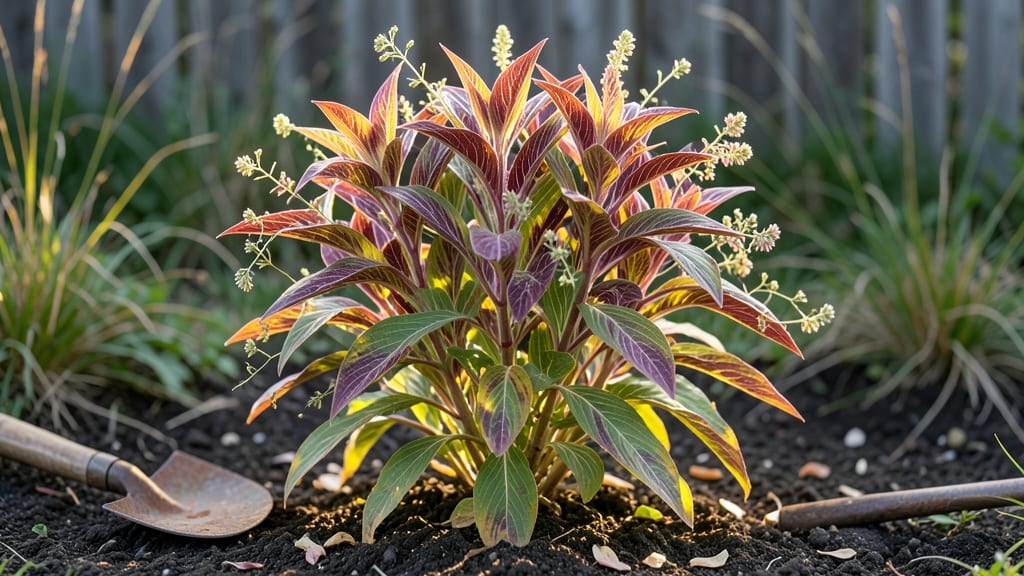
Amaranth grows best in USDA hardiness zones 4 through 11, with optimal yields in zones 7 to 10 where warm temperatures and extended growing seasons support both leaf and seed production. Northern varieties handle cooler climates, while tropical types thrive in warmer regions.
Amaranth's adaptability makes it a favorite for gardeners across diverse climates. In cooler zones like 4-6, varieties such as 'Joseph’s Coat' focus on leaf production, maturing quickly before frost sets in. Meanwhile, zones 9-11 favor heat-tolerant types like 'Red Garnet', which prioritize seed development during long, hot summers.
The key difference lies in temperature sensitivity: cooler varieties need 50-60°F for germination, while tropical types prefer 75-85°F for optimal growth. 🌱
For those in marginal zones, extending the season with cold frames or row covers can push yields further. In zone 4-6, I’ve seen growers use black plastic mulch to warm soil and plant seeds in late spring, while zone 11+ gardeners combat heat stress by providing afternoon shade.
Succession planting every 2-3 weeks ensures continuous harvests, whether you're growing for greens or seeds.
💡 In This Article
- USDA Zones and Amaranth Variety Suitability
- Extending Amaranth Growing Seasons in Marginal Zones
USDA zones and amaranth variety suitability
Amaranth's growth stages are deeply influenced by temperature thresholds that vary by variety. Germination requires soil temperatures between 50-60°F for cool-season types like 'Joseph’s Coat', while tropical varieties such as 'Red Garnet' need 75-85°F to break dormancy.
This explains why zone 4-6 gardeners must wait until late spring when soil warms sufficiently, often planting after the last frost date when daytime highs consistently reach 65°F. 🌱
The leaf production phase thrives in zones 7-10 where daytime temperatures average 70-85°F and nights stay above 55°F. In these zones, varieties like 'Green Garnet' produce tender leaves in just 45-55 days, making them ideal for cut-and-come-again harvesting.
Meanwhile, seed production requires even warmer conditions—zones 9-11 provide the 90+°F days needed for 'Black Mexican' to develop its characteristic 1-inch edible seeds.
Frost sensitivity varies dramatically: cool-season types can tolerate light frosts (28°F) once established, while tropical varieties wilt at 32°F.
This explains why zone 4-6 growers focus on leaf production, harvesting before first frost, while zone 11+ gardeners may need to provide afternoon shade to prevent heat stress during 100°F+ days.
The plant's ability to photosynthesize efficiently at high light intensities (full sun) makes it particularly well-suited to zones with 6+ hours of direct sunlight daily.
Here's how temperature affects each growth stage:
- Germination: 50-85°F soil temp (varies by variety)
- Vegetative growth: 65-85°F daytime, 55-70°F nights
- Seed development: Requires 90°F+ for 60+ days
- Frost tolerance: 28°F (cool types) vs 32°F (tropical types)
The plant's C4 photosynthetic pathway gives it an advantage in hot climates, allowing it to fix carbon efficiently even when stomata are partially closed to conserve water. This explains why tropical varieties outperform in zones 9-11 where other crops might struggle with heat stress.
In cooler zones, the plant's rapid growth cycle (often 60 days to maturity) becomes its greatest asset, allowing it to complete its life cycle before frost.
For those in transition zones (7-8), I recommend trying both cool and warm-season varieties to see which performs better in your microclimate. The 'Love Lies Bleeding' variety, for example, produces striking red leaves that thrive in 75-85°F conditions but can also tolerate brief cool snaps.
This adaptability makes amaranth an excellent choice for gardeners who want to experiment with different growing conditions. 🌿