
Plants
USDA Hardiness Zones 4 to 8 cover regions where winter lows range from -30°F to 20°F (-34°C to -6°C), shaping when you can safely plant outdoors from late spring through early fall. Fine-tune your schedule by checking local frost dates and adapting for microclimates like south-facing walls or shaded garden corners.
These zones act as your gardening GPS, but real-world conditions often differ from the map.
For example, a city center might be 2-5°F warmer than surrounding areas due to pavement heat retention, while a north-facing slope could experience frost weeks after your neighbors. 🌱 I always recommend testing your soil temperature with a thermometer—many plants need roots to warm to 60°F (15°C) before they'll thrive, regardless of the zone.
The key is balancing the official guidelines with your specific yard's conditions.
For vegetables, this means starting cool-season crops like spinach in Zone 4 as soon as the ground thaws, while Zone 8 gardeners can plant tomatoes in early April.
Perennials like lavender or Russian sage, however, need different timing—planting them too early in Zone 4 risks frost damage, while Zone 8's milder winters allow fall planting for next spring's blooms.
💡 In This Article
- How USDA Zones 4-8 Define Plant Survival and Growth Windows
- Zone-Specific Planting Calendars for Zones 4 Through 8
How USDA Zones 4-8 define plant survival and growth windows
The USDA's zone system categorizes regions based on their average annual minimum temperature, which directly impacts what plants can survive. Zone 4's -30°F (-34°C) lows create a stark contrast with Zone 8's 20°F (-6°C) threshold, meaning plants must either be cold-hardy or protected.
This temperature range isn't just about winter survival—it determines when soil warms enough for roots to activate, typically around 50-60°F (10-15°C), and when nighttime temperatures stay above 55°F (13°C) for warm-season crops to thrive.
Frost dates are the real game-changers here. In Zone 4, the last spring frost often arrives between May 15-20, while Zone 8 might see its final frost by March 15.
The first fall frost in Zone 4 can strike as early as September 15, whereas Zone 8 may extend growing seasons until November 15. These dates aren't fixed—they shift based on elevation (higher = colder) and latitude (northern areas freeze sooner).
For example, Denver (Zone 5) might have 100 more frost-free days than Minneapolis (also Zone 5) due to its lower elevation and continental climate.
Microclimates add another layer of complexity. A south-facing wall can create a 5-10°F warmer microclimate than the surrounding yard, allowing you to plant heat-loving tomatoes 2-3 weeks earlier in Zone 5. Conversely, low-lying areas trap cold air, potentially delaying spring planting by 1-2 weeks.
Soil type matters too—sandy soil warms faster than clay, which can delay planting by 7-10 days in spring. These variations explain why your neighbor's garden thrives with the same plants yours struggles with, even in the same official zone.
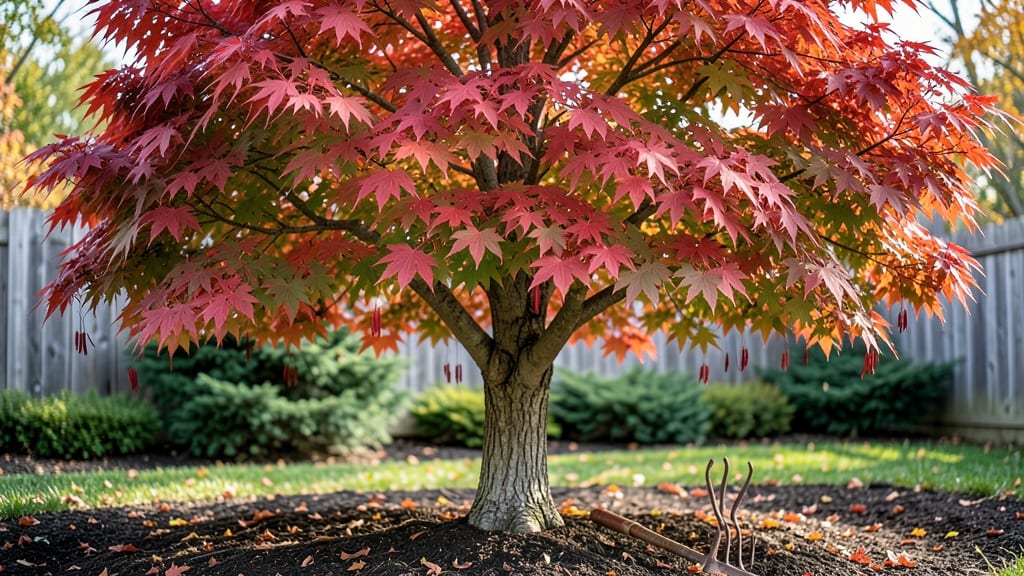
Plant physiology plays a crucial role too. Deciduous trees like maples drop leaves when temperatures fall below 50°F (10°C) for extended periods, while evergreens like spruces can handle Zone 4's winters because their needle structure minimizes water loss.
Vegetables have specific thresholds too—broccoli bolts when nighttime temps exceed 70°F (21°C), which happens earlier in Zone 8 than Zone 4. Understanding these biological responses helps you choose varieties that match your zone's growing season length, typically 140-200 days across Zones 4-8.
For gardeners, this means Zone 4's shorter growing season favors fast-maturing crops like bush beans (50-60 days) over slow-growing varieties, while Zone 8 can handle heirloom tomatoes (80-90 days) planted in early spring.
The zone system also explains why some plants (like peonies) thrive in Zone 4 but struggle in Zone 8's warmer winters—they need cold stratification to bloom properly. This biological interplay between temperature, plant genetics, and growing degree days (GDD) is what makes zone-based gardening both a science and an art.
Don't forget about wind exposure—open areas can feel 10-15°F colder than sheltered spots due to wind chill. This is why frost cloths work so well: they create a microclimate that raises temperatures by 5-8°F around your plants.
Even elevation changes within a yard can create 1-3°F differences per 100 feet, meaning your hilltop might be a different zone than your valley garden. These microclimatic nuances are why experienced gardeners always say "know your yard better than the zone map."