
Flowers
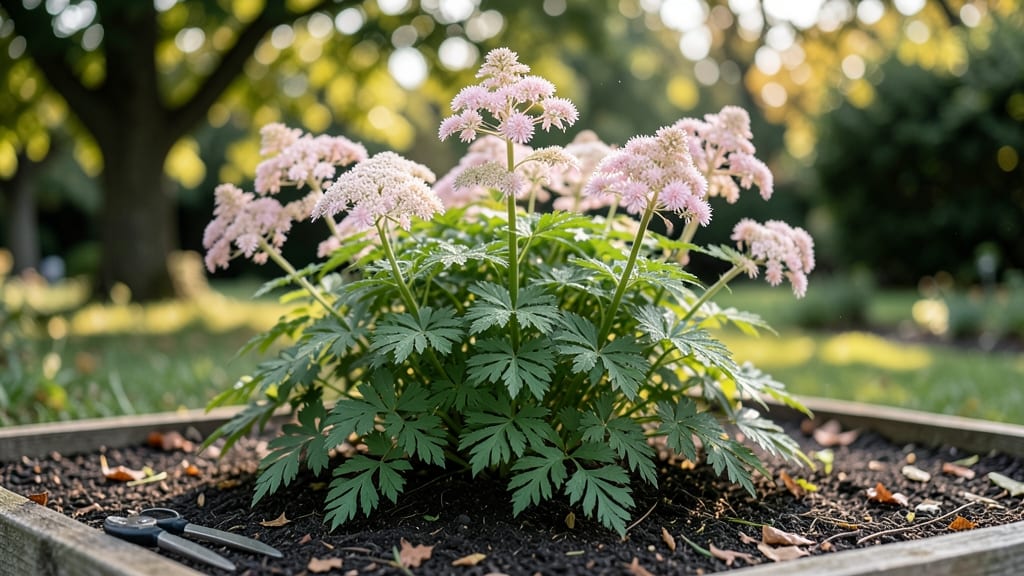
Astilbe thrives in Zone 4 when you choose frost-resistant varieties like 'Fanal' or 'Deutschland' and use smart planting techniques to protect them through harsh winters.
Zone 4's frigid winters can challenge delicate perennials, but astilbe stands out as a resilient choice when you pick the right cultivars. 🌸 These hardy varieties not only survive but often reward gardeners with stunning late-spring blooms that brighten up the garden after winter's dormancy.
The key lies in selecting types bred for cold tolerance—like 'Deutschland' with its deep purple plumes or 'Regina' with its soft pink flowers—both of which handle temperatures down to -30°F without flinching.
What sets these varieties apart is their ability to establish strong root systems before winter sets in, giving them the energy reserves needed to bounce back in spring.
Beyond variety selection, your planting strategy makes all the difference. Astilbe thrives in moist, well-draining soil with partial shade protection, which helps prevent winter burn.
I always recommend adding a thick layer of mulch after the first frost to insulate the roots, and positioning plants where they'll get afternoon shade during summer's heat.
This dual protection strategy—cold-hardy varieties plus proper site preparation—is what transforms astilbe from a marginal Zone 4 plant into a reliable garden star.
💡 In This Article
- Cold-Hardy Astilbe Varieties for Zone 4 Gardens
- Zone 4 Astilbe Planting and Care Strategies
Cold-hardy astilbe varieties for Zone 4 gardens
Zone 4's brutal winters demand astilbe varieties with exceptional cold tolerance, and the top performers are those bred specifically for northern climates. The 'Deutschland' variety stands out with its deep burgundy plumes that emerge in late May, often surviving -30°F temperatures without damage.
Its compact growth (18-24 inches tall) makes it ideal for garden borders, while its dense foliage provides natural winter protection. What sets it apart is its ability to rebloom in late summer under ideal conditions—a trait rare in Zone 4 astilbes.
Another standout is 'Fanal', which boasts fiery red plumes that catch sunlight beautifully in early summer. This variety handles Zone 4 winters exceptionally well due to its thick, woody stems that prevent winter dieback. The stems' rigidity also helps them hold up under heavy snow loads.
For pink lovers, 'Regina' offers soft pink plumes that thrive in partial shade and tolerate -25°F temperatures. All three varieties share a key trait: their root systems develop 2-3 weeks earlier than southern-bred astilbes, allowing them to establish energy reserves before winter.
The color spectrum of these cold-hardy varieties adds visual interest to spring gardens. 'Deutschland' provides dramatic burgundy contrast, while 'Fanal' brings bold red accents that pair well with white spring bloomers. 'Regina' offers a softer pink hue that complements pastel garden schemes.
What's remarkable is how these colors intensify in cooler temperatures—a phenomenon called anthocyanin enhancement, where cold weather actually deepens the flower pigments.
When selecting varieties, consider your garden's microclimate. 'Deutschland' performs best in protected locations with afternoon shade, while 'Fanal' handles more exposed sites due to its sturdy stems. For container gardening in Zone 4, 'Bridal Veil' (white plumes) is an excellent choice as it tolerates -20°F when properly mulched.
The key difference between these varieties lies in their stem strength and root development speed, which directly impacts their winter survival rates.
Most gardeners overlook the importance of fall planting for Zone 4 astilbes. Planting in late August to early September gives roots 6-8 weeks to establish before winter, significantly improving survival rates. This timing allows the plants to enter dormancy with well-developed root systems that can withstand freeze-thaw cycles.
The root-to-shoot ratio in properly established plants is typically 3:1, meaning three parts root to one part foliage—a critical balance for winter hardiness.
What most people don't realize is that astilbe varieties with darker foliage (like 'Deutschland') often have better winter survival rates because the pigments provide natural UV protection to the stems. This is why burgundy-leaved varieties outperform green-leaved ones in northern climates.
The darker pigments act like a built-in sunscreen, preventing winter sunburn that can occur when snow melts and exposes stems to intense UV radiation.