
Tools
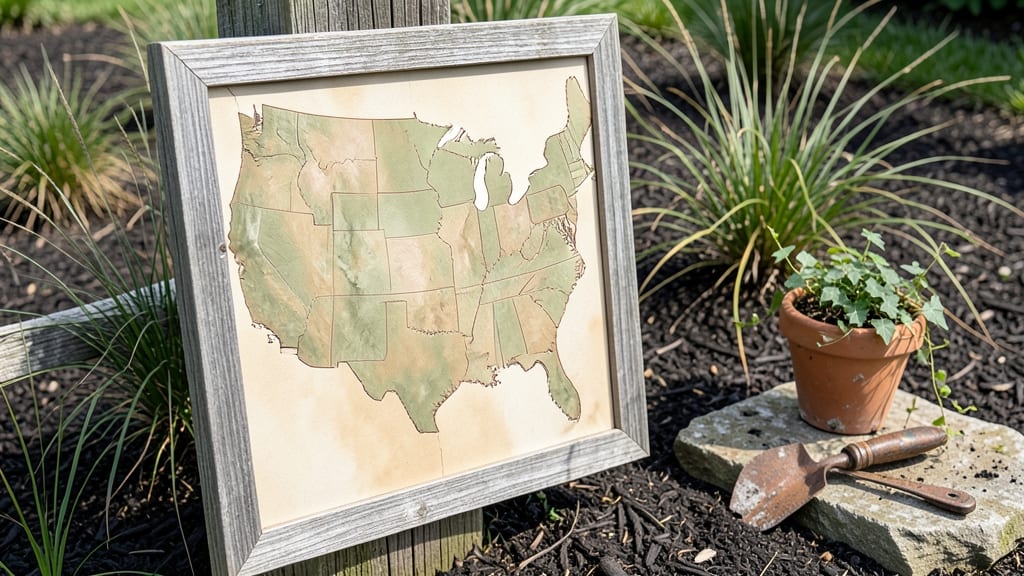
Your gardening success starts with knowing your USDA Plant Hardiness Zone—it’s the secret code that unlocks exactly what will thrive in your yard. 🌱 I’ve used this map for years to avoid frost-killed seedlings and pick the right perennials, and once you know your zone, you’ll never guess at planting times again.
Finding your zone is easier than you think: just plug your ZIP code into the USDA’s interactive map, and you’ll get your exact number (like Zone 7b or 9a).
This number tells you your average annual minimum temperature, which determines when to plant cool-season crops, when to protect tender plants, and even which trees and shrubs will survive winter in your area.
With your zone in hand, you’ll pick plants that match your climate—like cold-hardy kale in Zone 3 or heat-loving okra in Zone 10—and time your planting to avoid frost.
My Zone 6 garden now produces tomatoes reliably because I plant them after the last frost date, not just when the soil feels warm.
Regional quirks matter too: coastal areas may be warmer than inland zones at the same latitude, while high elevations can feel like a different zone entirely. Once you master this, you’ll garden with confidence, no matter where you live.
📚 In This Guide
- What you need
- Instructions
- Tips and common mistakes
- Wrapping up and next steps
What you need
- ● USDA Plant Hardiness Zone Map (Digital or Printed) – Free download from USDA’s official site
- ● Garden Tape Measure (25+ ft) – For accurate spacing and layout
- ● Graph Paper or Gardening Planner – Grid size: 1/4" or 1/2" squares for precision
- ● Permanent Markers (Waterproof) – 2-3 colors for zone differentiation
- ● Stakes or Flags (Wooden or Metal) – 6-12" long, labeled for plant types
- ● Soil pH Test Kit – Adjusts based on zone-specific needs
- ● Garden Gloves & Knee Pads – For comfort during planning
- ● GPS-Enabled Gardening App – Syncs with USDA zones for digital mapping
- ● Sunlight Tracker or Light Meter – Ensures accurate light exposure notes
- ● Seedling Heat Mats (for Zones 1-4) – Extends growing seasons
- ● Compost & Mulch Calculator – Customizes soil prep by zone
- ● Watering Timer with Zone Settings – Automates care based on climate
How to use the USDA plant hardiness zone map for perfect plant selection
This isn't just about knowing your zone—it's about using it to choose plants that thrive effortlessly.
📏 Step 1: Find Your Exact Zone Using the Interactive Map
Head to the USDA Plant Hardiness Zone Map and enter your ZIP code. The map will pinpoint your precise zone—like Zone 6a or Zone 9b—down to a 5°F increment. Here's the thing: even neighboring towns can differ by a full zone, so don't guess based on your neighbor's garden.
Zoom in until you see your street or address. The map shows microclimates—areas where temperatures vary slightly due to elevation, water bodies, or urban heat. If you're in a valley or near a large lake, your zone might be 1-2 degrees warmer than the surrounding area. Note this difference—it'll matter when selecting heat-sensitive plants like tomatoes or peppers.
✏️ Step 2: Match Plants to Your Zone's Temperature Range
Every plant has a minimum winter temperature tolerance and a maximum heat threshold. For example, azaleas thrive in Zones 4-9 but won't survive a -20°F winter in Zone 3. Check the plant tag or catalog for its zone range—it's usually listed as Zones 5-8 or similar.
I like to highlight my zone on a printed map and circle plants that match. For instance, if you're in Zone 7b, you can grow cold-hardy kale (Zone 2) but must protect tender basil (Zone 10) until late spring. Pro tip: Use a highlighter to mark your zone on seed packets or plant tags so you don't accidentally buy something unsuitable.
☀️ Step 3: Adjust for Microclimates and Last Frost Dates
Your zone gives you a baseline, but microclimates add layers. A south-facing wall can be 5°F warmer than the rest of your yard, while a shady spot near a tree might be 3°F cooler. Use this to your advantage: plant heat-loving veggies like okra in sunny spots, even if your zone suggests they're borderline.
Next, check your average last frost date (find it on the USDA map or local extension service). This tells you when to plant cool-season crops like lettuce or when to hold off on tomatoes. I always add 2 weeks to the last frost date for safety—better to wait a little too long than risk a surprise freeze.
🌱 Step 4: Plan for Seasonal Shifts and Zone Overlaps
Some plants, like perennials, need a 2-zone range to thrive. For example, lavender does well in Zones 5-9, but if you're in Zone 5a, choose cold-hardy varieties like 'Munstead' or 'Hidcote.' Zone overlaps also help with succession planting—if you're in Zone 8, you can grow two crops of bush beans in one season.
For annuals, focus on plants that match your zone's growing season length. In Zone 3, you'll need fast-maturing varieties like Early Girl tomatoes (55 days), while Zone 10 gardeners can grow heirloom Brandywine tomatoes (80+ days) year-round. I keep a notebook of my zone's first and last frost dates to plan my planting calendar.
⏰ Step 5: Use Zone Info for Year-Round Gardening Hacks
Zone data helps with more than just planting. In Zones 5-8, I use black plastic mulch to warm soil for early spring planting. In Zones 9-11, I prioritize shade cloth to protect plants from summer heat. Even container gardeners benefit: if you're in Zone 4, bring tender potted plants indoors before 32°F hits.
Here's a real talk: I once planted Zone 9 bougainvillea in my Zone 7b yard and lost it to frost. Now I keep a frost calendar and move containers to a garage or greenhouse before the first freeze. Your zone isn't just a number—it's a tool for extending your growing season and protecting investments.
Tips & tricks for mastering your US gardening Zones
Precision planting starts with understanding your zone—and these insights will help you avoid common mistakes while maximizing your garden's potential.
Microclimate Mapping: Beyond the general zone, your yard has its own temperature variations. Use a thermometer to record temperatures in different spots for a week. I discovered my south-facing garden bed runs 5°F warmer than the north side—perfect for heat-loving plants like okra that might struggle in my official Zone 7b. Mark these variations on your map with colored pencils for quick reference.
Zone Overlap Strategy: When selecting perennials, aim for a 2-zone range to account for temperature fluctuations. For example, lavender thrives in Zones 5-9, but if you're in Zone 5a, opt for cold-hardy varieties like 'Munstead' that can handle -20°F winters. This buffer zone approach prevents costly mistakes with tender plants.
Frost Date Flexibility: The 2-week buffer after your last frost date is your safety net. I've learned to plant heat-sensitive crops like tomatoes 10 days after this date to account for late spring frosts. For container gardeners in Zone 4, move tender plants indoors when nighttime temps approach 32°F—even if the official last frost date has passed.
Visual Plant Tagging: Create a simple color-coding system for your garden tags: green for Zone 2-5 plants, yellow for Zones 6-8, and red for Zones 9-11. When you're at the nursery, match your zone colors to plant tags before purchasing. This visual system prevents zone mismatches and saves money on unsuitable plants.
Pro Tips for Map Of Us Gardening Zones
- Precision planting starts with understanding your zone—and these insights will help you avoid common mistakes while maximizing your garden's potential.
- Microclimate Mapping: Beyond the general zone, your yard has its own temperature variations.
- Zone Overlap Strategy: When selecting perennials, aim for a 2-zone range to account for temperature fluctuations.
Frequently asked questions
Got questions about using the Map of Us Gardening Zones to plan your garden? You’re not alone! Here are answers to the most common queries to help you grow with confidence.
How do I find my exact hardiness zone if I’m not sure?
Use the USDA Plant Hardiness Zone Map on the official USDA website. Enter your ZIP code or address—it’ll pinpoint your zone (e.g., Zone 7a or 8b) based on average winter lows. Pro tip: Check local microclimates (like urban heat islands or valleys) for nuanced adjustments!
When’s the best time to plant based on my zone?
Timing varies! Cool-season crops (spinach, kale) thrive in early spring/fall (Zones 3–10), while warm-season plants (tomatoes, peppers) need after last frost (usually late April–June). Use the Map of Us app for zone-specific planting calendars—it syncs with your location for real-time alerts!
Can I grow plants outside my zone with extra care?
Container gardening lets you move tender plants (like citrus) indoors in winter. For perennials, mulch heavily or use row covers to protect roots. Just know: Zone 1–4 gardeners may need cold-hardy alternatives (e.g., rhubarb instead of bananas). Always research a plant’s chill hours too!
Why does my zone seem different from my neighbor’s?
Zones shift due to elevation, latitude, and microclimates. A hilltop in Zone 6 might feel like Zone 5, while a sheltered valley could be Zone 7. Use satellite views on the Map of Us tool to spot terrain-based variations. For accuracy, track your local frost dates for 3–5 years!
What if my garden fails despite following the zone map?
Troubleshoot with these steps:
- Soil test: pH or nutrient issues can mimic zone mismatches.
- Sunlight audit: Shade-loving plants in full sun? Adjust placement!
- Pest/disease check: Zone maps don’t account for local critters.
Still stumped? Join zone-specific forums (like Gardeners.com) for crowd-sourced fixes!
Wrapping up and next steps
Understanding your USDA Plant Hardiness Zone is the first step toward creating a thriving garden tailored to your climate! 🌱 Whether you're a seasoned gardener or just starting out, knowing your zone helps you pick the right plants, optimize planting times, and maximize your garden’s potential.
Now that you’re equipped with this knowledge, it’s time to roll up your sleeves and get growing—start by sketching your garden layout or researching zone-specific plant recommendations!
🌟 Ready to Grow?
- Check out our planting zone guide for personalized plant suggestions.
- Join gardening communities (online or local) to swap tips and inspiration!