
Planting
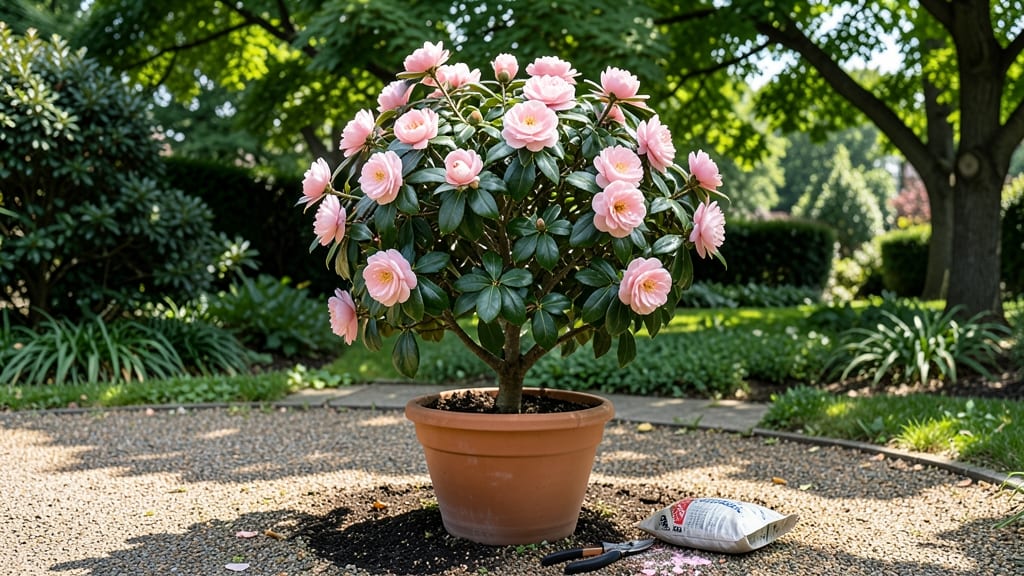
Atlanta, Georgia's gardening zone includes USDA Plant Hardiness Zones 7b and 8a, offering a climate perfect for diverse plants like camellias, azaleas, and citrus. With 180–220 frost-free days yearly, ideal planting windows are March–April and September–October.
Atlanta’s climate is a gardener’s dream, blending mild winters and warm summers to create a year-round growing season that’s ideal for both natives and tropical plants. 🌿 The 180–220 frost-free days mean you can push the limits with heat-loving varieties like bougainvillea or even try growing citrus trees in sheltered microclimates.
What sets Atlanta apart is its ability to support both cold-hardy perennials and tender annuals—just time your plantings right to avoid late spring frosts or early fall chills.
For example, azaleas and camellias thrive here because they’re adapted to the region’s acidic soils and moderate winters, while citrus trees need winter protection but can flourish with proper care.
The key is understanding how these zones translate to real-world growing conditions—like knowing that Zone 8a’s slightly warmer average lows (10–15°F) allow for more tropical plants than Zone 7b’s 5–10°F range.
💡 In This Article
- Understanding Atlanta’s Plant Hardiness Zones 7b and 8a
- Best Planting Calendar for Atlanta Gardens
Understanding Atlanta’s plant hardiness zones 7b and 8a
Atlanta’s classification as USDA Zones 7b and 8a isn’t just about numbers—it reflects a delicate balance of temperature extremes that shape what grows best in the city.
Zone 7b experiences average minimum winter temperatures of 5° to 10°F, while Zone 8a’s range is slightly warmer at 10° to 15°F. This 5°F difference might seem small, but it’s the threshold that determines whether tender plants like citrus survive or struggle.
For example, a Meyer lemon tree might thrive in Zone 8a with winter protection, but in Zone 7b, it’ll need heavy mulching or container growing to avoid root damage from prolonged cold snaps.
The real magic happens in Atlanta’s frost-free season, which spans 180–220 days—long enough to grow warm-season crops like okra and sweet potatoes but short enough to require careful timing for frost-sensitive plants.
The last average frost date hovers around March 15, while the first frost typically arrives November 1, though urban areas can delay this by 1–2 weeks due to the "heat island" effect.
This is why gardeners here often plant annuals like impatiens or coleus after Memorial Day, giving them a full summer to flourish before fall chills set in.
What makes these zones work so well for Atlanta’s iconic plants? The answer lies in their dormancy strategies.
Camellias, for instance, bloom in late winter/early spring because they’ve adapted to Zone 7b’s cold snaps—buds form in summer when temperatures are warm, then wait out winter’s chill before bursting into color.
Similarly, azaleas rely on a period of cold (but not freezing) weather to trigger their spectacular spring displays. 🌸 The key is matching plants to these natural cues: too little cold, and azaleas won’t bloom; too much, and tender varieties like gardenias suffer.
Soil temperature plays an equally critical role. In Zone 7b, the ground often stays cold longer into spring, which is why gardeners here wait until soil reaches at least 60°F before planting warm-season crops like tomatoes or peppers.
Zone 8a’s slightly warmer soils allow for earlier planting, but the risk of late frosts remains. This is why many Atlanta gardeners use row covers or cold frames for early spring plantings—extending the season by 2–4 weeks without taking unnecessary risks.
Microclimates add another layer of complexity. A north-facing yard in suburban Decatur might see temperatures drop 3–5°F colder than a south-facing urban lot in Midtown, where brick and pavement retain heat.
This is why a single plant—like a crepe myrtle—might thrive in one spot but struggle in another just a few blocks away. Paying attention to these local variations can mean the difference between a plant’s success and failure.
For tropical plants pushing their limits in Zone 7b, the solution often lies in seasonal adjustments. Gardeners might grow citrus in containers and move them indoors during winter, or plant them against south-facing walls where reflected sunlight adds 5–10°F of warmth.
The same strategy works for palms and hibiscus, which can survive Atlanta’s winters if given the right shelter. It’s all about working with the climate’s natural rhythms rather than fighting them.