
Planting
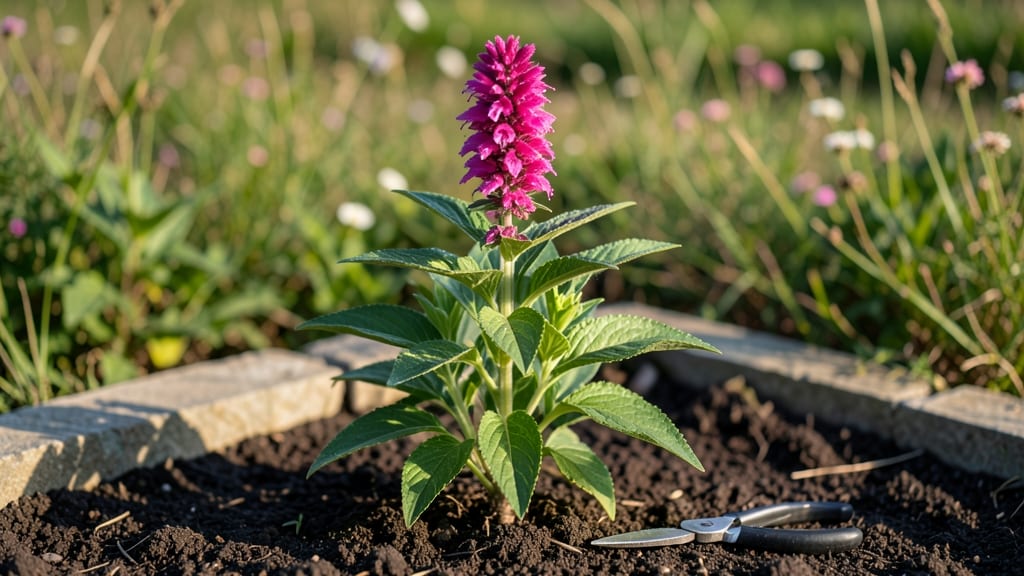
Bee balm grows best in USDA zones 4 through 9, where it adapts to everything from cold winters to hot summers with proper care. These hardy perennials thrive in partial shade to full sun and need well-draining soil rich in organic matter, though they may require extra winter protection in zones 4-5.
Bee balm's adaptability makes it a favorite for gardeners across these zones, but the key lies in understanding your specific climate. 🌿 In cooler zones (4-5), mulching with straw or leaves protects roots from freezing, while hotter zones (8-9) benefit from afternoon shade to prevent wilting.
I've seen bee balm flourish in zones 6-7 with minimal fuss—just ensure soil drains well to avoid root rot, which can be a silent killer in heavy clay soils.
What sets bee balm apart is its ability to naturalize over time, creating vibrant pollinator magnets. The trickiest part? Spacing—plant them 18-24 inches apart to allow airflow and prevent fungal diseases. For container growing outside zones 4-9, choose large pots with drainage holes and move them indoors during extreme weather.
💡 In This Article
- USDA Zones 4-9: Bee Balm’s Climate Adaptations
- Soil, Sunlight, and Spacing for Zone-Specific Success
USDA zones 4-9: bee balm’s climate adaptations
Bee balm (Monarda spp.) is a master of climate adaptation, thanks to its deep root system that stores nutrients and its ability to regulate moisture loss.
In zones 4-5, where winters dip below -20°F, bee balm survives by entering dormancy—its foliage dies back, but the roots remain protected underground, ready to rebound in spring.
The key here is the plant’s cold hardiness rating of 3-8°F, which allows it to withstand brief freezes without damage. 🌱
Moving to zones 6-7, bee balm thrives with minimal stress, handling 30-40°F nights and 85-90°F days with ease. These zones offer the sweet spot for growth, where bee balm’s vibrant blooms—ranging from red to pink to purple—flourish for 6-8 weeks during peak summer.
In contrast, zones 8-9 demand more attention: the intense heat can cause bolting (premature flowering) or leaf scorch, so afternoon shade becomes critical to maintain moisture levels.
What’s fascinating is how bee balm adjusts its growth patterns based on temperature cues. In cooler zones, it focuses energy on root development early in the season, while in warmer zones, it prioritizes rapid above-ground growth to take advantage of longer daylight hours.
This flexibility is why bee balm naturalizes so well—it “reads” its environment and adapts, making it a low-maintenance perennial once established. 🌿
For gardeners in zones 4-5, the real challenge isn’t survival but spring emergence. Cold, wet soils can delay growth, so amending the soil with compost before winter helps jumpstart root activity.
Meanwhile, in zones 8-9, the risk of heat stress means mulching with 2-3 inches of organic matter (like shredded leaves) keeps roots cool and retains moisture. Even a slight difference in microclimate—like planting near a north-facing wall—can mean the difference between thriving and struggling.
Here’s a quick comparison of bee balm’s needs by zone:
- Zones 4-5: Full sun (6+ hours/day), winter mulch (4-6 inches), and spring soil warming (e.g., black plastic mulch for 2-3 weeks)
- Zones 6-7: Partial shade (4-6 hours/day), minimal mulch (1-2 inches), and regular deadheading to prolong blooms
- Zones 8-9: Afternoon shade (3-4 hours/day), frequent watering (1-2 inches/week), and container gardening for flexibility
The science behind this adaptability lies in bee balm’s C4 photosynthetic pathway, which helps it efficiently process sunlight and reduce water loss—critical for surviving both cold snaps and heatwaves. This is why it outperforms many other perennials in marginal climates. 💫