
Plants
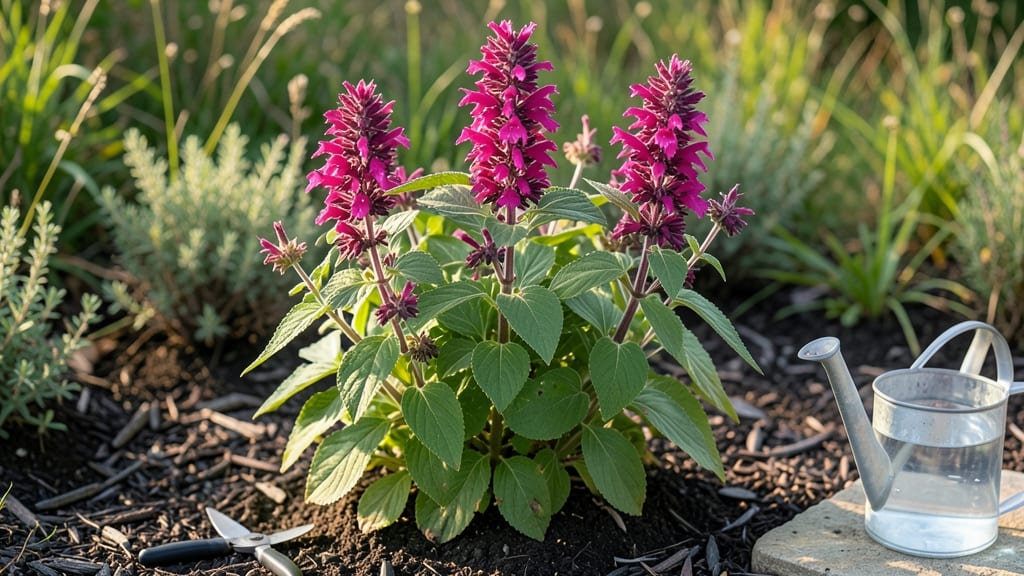
Bee balm grows best in USDA hardiness zones 4 through 9, but some cold-resistant varieties extend its range to zone 3, while heat-loving hybrids thrive in zone 10 with extra care. Native species like Monarda didyma endure temperatures down to -30°F, while tropical types require zone 8 or warmer.
Understanding bee balm hardiness zones means knowing your region's climate patterns—especially frost risk and summer heat. 🌿 For instance, Monarda fistulosa (wild bergamot) handles zone 3 winters easily, while Monarda 'Jacob Cline' (a hybrid) struggles below zone 7.
I've seen gardeners in zone 10 protect tropical varieties by moving pots indoors during cold snaps, extending their growing season dramatically. The key is matching the plant to your microclimate: a sheltered spot can push a zone 5 plant to survive zone 4 winters.
💡 In This Article
- USDA Hardiness Zones for Bee Balm Varieties
- Winter Survival Strategies for Bee Balm in Marginal Zones
USDA hardiness zones for bee balm varieties
Bee balm's hardiness varies dramatically between species, with native North American varieties showing remarkable cold resilience. For example, Monarda fistulosa (wild bergamot) thrives in zones 3-9, enduring winter temperatures down to -40°F thanks to its deep root system that insulates the crown.
In contrast, Monarda didyma (bee balm) handles zones 4-9 but struggles below -25°F without protection, as its roots are less extensive. 🌱 The difference comes from their evolutionary adaptations: wild bergamot evolved in prairie ecosystems with harsh winters, while didyma prefers more temperate woodlands.
Tropical hybrids like Monarda 'Marshall's Delight' push the limits to zone 10, but they're sensitive to below 28°F temperatures. These varieties often have larger, showier blooms but lack the cold-hardy genetics of their native cousins.
The key distinction lies in their growth habits: native species develop woody stems that act as natural insulation, while tropical types remain herbaceous and more vulnerable.
Even within didyma, colors matter—purple varieties tend to be slightly more cold-tolerant than pink or white ones due to higher anthocyanin levels that may provide slight frost protection.
Your local microclimate plays a crucial role in pushing these limits. I've seen didyma survive zone 3 winters in sheltered garden spots with 3-4 feet of mulch> and evergreen windbreaks, while exposed sites required additional frost blankets.
Coastal areas often have milder winters, allowing zone 8 varieties to thrive where inland zones might only reach 7.
The USDA zone map provides a baseline, but real-world growing success depends on these local factors—sometimes a 5°F temperature difference between your garden and the nearest weather station can mean the difference between survival and loss.
Heat sensitivity is another critical factor, particularly in southern zones. While bee balm handles summer heat well, prolonged temperatures above 95°F can stress plants, leading to leaf scorch or reduced flowering.
Varieties like Monarda 'Croftway Pink' perform better in zone 9 heat than Monarda 'Jacob Cline', which may require afternoon shade in intense climates.
The trade-off between cold and heat tolerance means gardeners in transition zones (like zone 7) often need to choose between winter hardiness or summer resilience, depending on their region's dominant seasonal challenge.
For container growing, these zone differences become even more pronounced. Potted bee balm in zone 10 can be overwintered indoors with 50-60% humidity> and supplemental lighting, while zone 3 plants may need to be buried in the ground or heavily mulched.
The root zone temperature is the critical factor—keeping it above 20°F during winter prevents crown damage. This flexibility makes container gardening an excellent option for pushing bee balm's range beyond its typical zones, though it requires more maintenance.
Understanding these variations helps you select the right variety for your climate. Native species are the safest bet for cold zones, while hybrids offer more floral options in warmer areas.
The key is matching the plant's natural growing conditions to your garden's microclimate—whether that means choosing a sheltered spot for marginal zones or providing afternoon shade in hotter climates. 🌿