
Vegetables
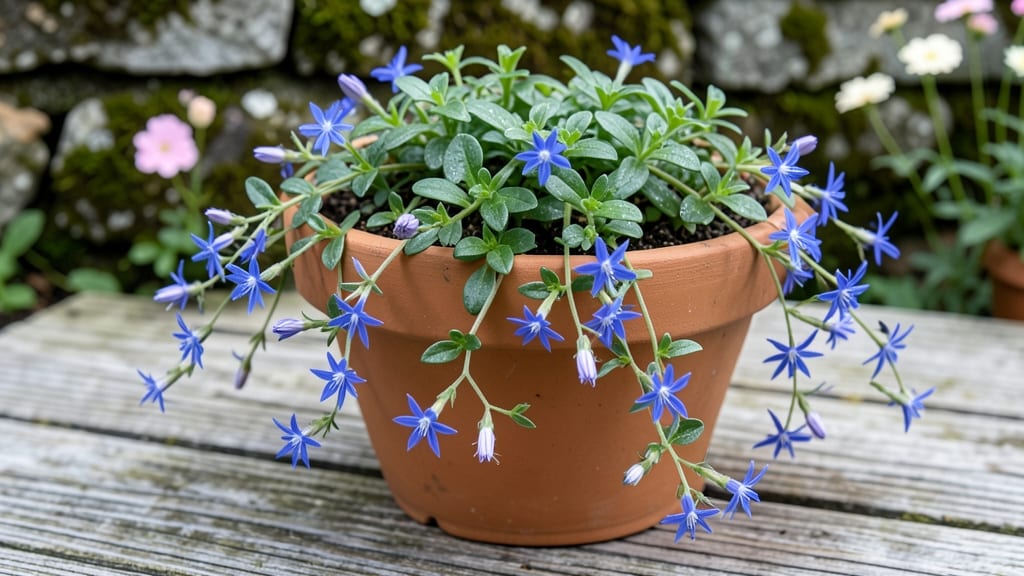
Blue Star Creeper thrives in USDA Hardiness Zones 7 through 11, making it ideal for warm climates like the southeastern U.S., California, and Florida. Its drought tolerance and rapid growth suit zones with mild winters and hot summers, but winter protection may be needed in Zone 7 borders.
This ground cover thrives where temperatures rarely dip below 20°F, which explains why it dominates landscapes in states like Georgia, Alabama, and coastal California. 🌿 Native to Central America, its ability to handle 90°F+ heat and occasional drought makes it a low-maintenance star in xeriscaping projects.
For gardeners in Zone 7, a thick layer of mulch or frost cloth during winter can prevent dieback, while those in Zones 8-11 enjoy year-round growth with minimal care.
What sets Blue Star Creeper apart is its adaptability to both full sun and partial shade, though vibrant blue flowers thrive best with at least 6 hours of direct sunlight daily.
In regions like Arizona or Texas, it often outcompetes weeds naturally, reducing irrigation needs by up to 50% once established. For cooler microclimates within Zone 7, container planting with winter storage works well—just ensure pots have drainage holes to prevent root rot.
💡 In This Article
- Decoding Blue Star Creeper’s USDA Zone Requirements
- Planting Blue Star Creeper by Region: A State-by-State Guide
Decoding Blue Star Creeper’s USDA Zone requirements
The Blue Star Creeper (Solanum scabrum), a native of Central America, evolved in climates where temperatures rarely drop below 20°F (-6°C) and often soar above 90°F (32°C). This explains why it thrives in USDA Zones 7-11—its cold sensitivity mirrors the frost-free winters of its native habitat.
The plant’s growth slows dramatically when nighttime temperatures fall below 50°F (10°C), triggering a semi-dormant state that conserves energy until warmer conditions return. 🌡️
Here’s how the USDA zones break down for this plant: Zones 9-11 offer ideal conditions with minimal stress, while Zone 8 requires occasional winter protection (like mulch or frost cloth) during rare cold snaps.
Zone 7 is the northern limit, where gardeners must take extra precautions—such as planting near south-facing walls or using black plastic mulch—to maintain soil temperatures above 40°F (4°C).
The plant’s shallow root system makes it particularly vulnerable to frost damage, which is why even a single hard freeze (25°F or -4°C) can cause dieback.
What most gardeners don’t realize is that Blue Star Creeper’s drought tolerance isn’t absolute—it performs best with consistent moisture during its active growing season (spring to fall). In Zones 10-11, where rainfall is often sporadic, the plant’s deep taproots allow it to access water 3-4 feet below the surface.
However, in Zone 7, where summers can be dry but winters are colder, supplemental irrigation during heatwaves (especially when temperatures exceed 95°F or 35°C) prevents leaf scorch and maintains vibrant blue flowers. 💧
The plant’s adaptability to microclimates is another key factor. In urban areas within Zone 7, for example, pavement or buildings can create "heat islands" that raise soil temperatures by 5-10°F (3-6°C), extending the growing season.
Conversely, high-altitude regions in Zone 7 (like parts of Colorado or New Mexico) may require container gardening to simulate warmer conditions. The plant’s ability to thrive in both full sun and partial shade (though flowering is best with 6+ hours of sunlight) further broadens its suitability across diverse landscapes.
For gardeners pushing the limits in Zone 6, consider these strategies: Start plants in containers and overwinter them in unheated garages or sheds, then transplant outdoors after the last frost. Alternatively, use row covers during early spring to accelerate soil warming.
The plant’s rapid growth (spreading 12-18 inches per year) makes it a worthwhile investment for those willing to adapt to its needs. 🌱
One often-overlooked detail is how Blue Star Creeper’s flowering cycle aligns with USDA zones. In Zones 9-11, it blooms nearly year-round, while in Zone 7, flowers appear primarily in late spring through early fall.
The plant’s blue star-shaped blooms (hence the name) attract pollinators like bees and butterflies, making it a dual-purpose ground cover for both aesthetics and ecosystem support. For gardeners in cooler zones, choosing early-blooming cultivars can extend the flowering window by 4-6 weeks compared to standard varieties.