
Planting
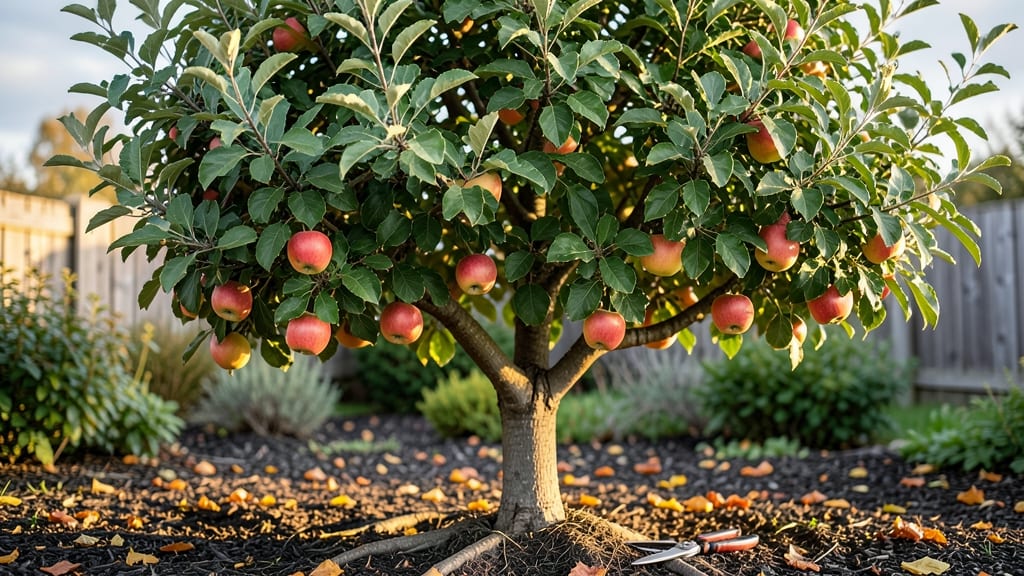
Gardening in Boise, Idaho requires working with USDA Hardiness Zone 6b-7a, where last spring frosts typically arrive between April 15–May 1 and first autumn frosts hit around October 15–November 1. Local elevation variations and urban heat effects can shift these dates by 2–4 weeks, making microclimate awareness essential for successful planting.
Understanding Boise's gardening zone means recognizing how its high desert climate—with hot, dry summers and cold winters—shapes plant survival.
The city's elevation range of 2,700–3,500 feet creates frost pockets in valleys while urban areas near buildings stay warmer. 🌿 For example, south-facing slopes may warm up faster in spring, allowing earlier planting of frost-sensitive crops like tomatoes, while north-facing yards might need protective covers until mid-May.
This zone also favors drought-resistant natives like serviceberry and yarrow, which thrive with minimal irrigation once established. The key is matching plant hardiness to your specific microclimate—check your yard's exposure and soil moisture patterns before selecting varieties.
Most gardeners here start seeds indoors in March to get a head start on the short growing season.
💡 In This Article
- Boise’s Unique Microclimates and Frost Risks
- Best Plants for Boise’s Zone 6b-7a Climate
Boise’s unique microclimates and frost risks
Boise’s 2,700–3,500-foot elevation creates dramatic temperature swings that gardeners must navigate. The city’s high desert climate—where days can hit 90°F+ in summer but nights drop to 30°F or lower in winter—means frost can appear suddenly even in late spring.
These rapid shifts happen because cold air sinks into valleys, while slopes and urban areas near buildings stay warmer due to heat absorption. For example, the Boise River Greenbelt often experiences 3–5°F warmer temperatures than nearby hillsides, delaying frost formation by 1–2 weeks in autumn.
The urban heat island effect amplifies these variations. Pavement and buildings in downtown Boise can trap heat, creating microclimates where tomatoes thrive 2 weeks earlier than in rural areas.
Conversely, frost pockets in low-lying spots like the Boise Foothills may see frost 2 weeks later in spring or earlier in fall than the city center.
Gardeners should test their yard’s frost risk by placing a thermometer near plants—if it drops below 32°F for 3+ hours, tender crops need protection.
These microclimates directly impact planting success. Frost-sensitive plants like peppers or basil should wait until May 15 in frost-prone areas, while hardier crops like kale or broccoli can go in as early as April 1 in urban heat zones.
A simple trick is to plant a frost-sensitive crop (e.g., lettuce) in a south-facing spot—it’ll warm up faster than north-facing beds. For added safety, use frost cloths or row covers until mid-May, when the risk of frost drops below 10%.
Water management becomes critical in these conditions. High desert soils dry out quickly, but frost risks increase when soil stays too wet. Drought-tolerant plants like Russian sage or penstemon handle Boise’s 12–15 inches of annual rainfall with ease, while vegetables need deep watering (1–1.5 inches per week) to prevent stress.
Mulching with wood chips (2–3 inches deep) helps regulate soil temperature—keeping roots 5–10°F warmer in winter and cooler in summer.
Advanced gardeners use plant hardiness maps combined with local weather data to fine-tune planting. For instance, the Boise Airport station (Zone 7a) may show different frost dates than your backyard in Zone 6b.
Tools like the National Weather Service’s frost prediction model can alert you to radiation frosts (clear nights) or advection frosts (wind-driven cold), which behave differently. 🌡️ Pro tip: Monitor minimum nighttime temps for 3 consecutive nights above 40°F before planting frost-sensitive seeds.
One often-overlooked factor is wind exposure. Boise’s prevailing westerly winds can dry out plants faster, while sheltered spots near fences or buildings create microclimates where humidity lingers.
Test your yard by placing a wind vane near plants—if winds exceed 10 mph, consider windbreaks like conifer hedges or lattice screens. These adjustments can extend your growing season by 2–4 weeks in both spring and fall.