
Planting
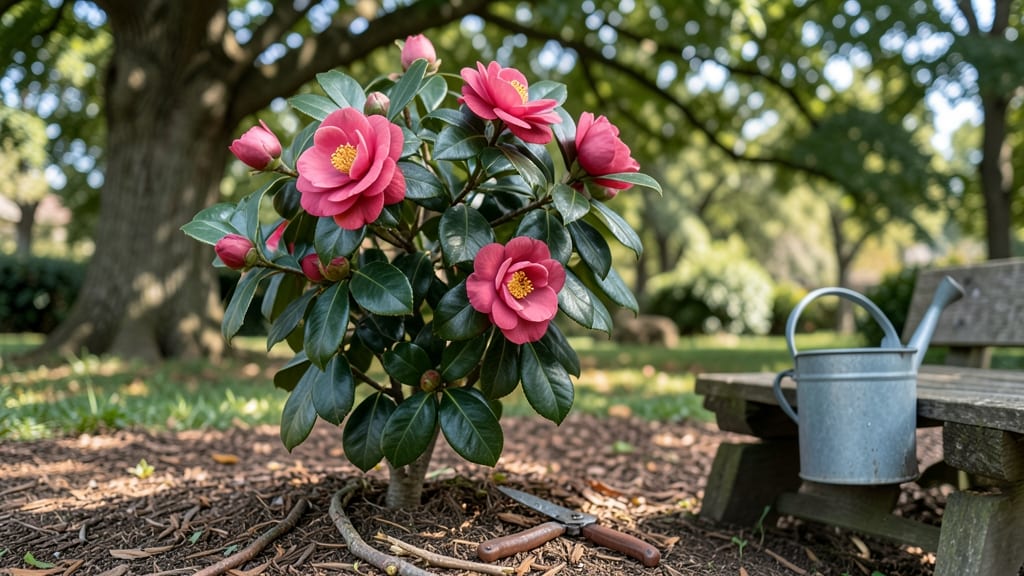
USDA Hardiness Zone 7A supports plants that survive average minimum temperatures of 0°F to 5°F (-18°C to -15°C), making it ideal for cold-hardy perennials like roses and hydrangeas, as well as vegetables such as tomatoes and peonies, with planting windows spanning early spring through late fall.
Zone 7A's temperature range determines which plants can withstand winter's harshest conditions in your area. 🌱 The key is understanding that plants labeled as "hardy to Zone 7" can handle these lows, while those rated for Zone 8 or higher may struggle.
For example, established peonies and lavender thrive here, while tender citrus or bougainvillea would fail without winter protection. I always check the USDA Plant Hardiness Zone Map for my specific location to avoid costly mistakes when selecting new additions for my garden.
Timing is everything in Zone 7A. Most gardeners aim to plant cool-season crops like lettuce and broccoli in early spring (as soon as soil is workable) and warm-season plants like tomatoes and peppers after the last frost date, typically around mid-April in most 7A regions. 🌿 The extended growing season lets you experiment with both spring and fall plantings, but always monitor local frost dates—your county extension office is a great resource for precise timing.
💡 In This Article
- Understanding USDA Zone 7A Temperature Ranges and Plant Survival
- Best Plants for Zone 7A Gardens and Their Planting Timelines
Understanding USDA Zone 7A temperature ranges and plant survival
The 0°F to 5°F (-18°C to -15°C) range defines Zone 7A's cold tolerance, but what does this really mean for your garden? Plants survive these temperatures through a combination of cellular adaptations and growth cycles.
When temperatures drop below freezing, plant cells produce antifreeze proteins that prevent ice crystals from forming in their tissues—similar to how some fish survive Arctic winters. 🌡️ This biological mechanism explains why hardy perennials like roses and hydrangeas can endure Zone 7A winters while tropical plants like citrus cannot.
Cold hardiness ratings account for both the plant's ability to withstand freezing temperatures AND its recovery rate after winter dormancy. For instance, a peony might survive -20°F but struggle to regrow if subjected to repeated freeze-thaw cycles.
Zone 7A's consistent cold range (without extreme fluctuations) creates ideal conditions for these perennials to complete their dormancy cycle properly. The USDA map doesn't just show temperature—it reflects 30-year averages, meaning your local microclimate (urban heat islands, elevation changes) can create variations of ±2-3°F from the official zone.
What most gardeners overlook is how soil temperature interacts with air temperature. While Zone 7A's air might drop to 0°F, the ground rarely freezes below 28°F—this is why root crops like potatoes and asparagus thrive here.
The insulating effect of mulch (like straw or wood chips) can add 4-8°F of protection to plant roots, effectively extending a plant's hardiness by one or two zones. This scientific principle explains why I always add 4-6 inches of organic mulch before winter—it's not just decoration, it's survival insurance.
Seasonal transitions matter just as much as winter lows. Zone 7A's last spring frost typically occurs between April 15-30, while the first fall frost arrives around October 15-30.
This 6-month growing window is why Zone 7A gardeners can successfully grow both cool-season crops (like spinach) and warm-season plants (like tomatoes) in the same year.
The key is matching planting dates to these frost-free periods—planting tomatoes too early risks frost damage to young plants, while waiting too long cuts the harvest season short.
For long-term planning, consider how climate change is gradually shifting these zones northward. Some Zone 7A areas may soon experience 1-2°F warmer winters, making plants rated for Zone 8 more viable. However, this shift also means hotter summers, which can stress heat-sensitive plants like peppers.
The solution? Diversify your plant selections to include both cold-hardy and heat-tolerant varieties—think Russian sage for drought resistance alongside black-eyed Susans for summer color.
Here's a practical tip: Always check the USDA Interactive Map for your exact location, as zones can shift dramatically over short distances.
For example, a backyard in Charlottesville, VA might be Zone 7A, while just 10 miles away in the Blue Ridge Mountains, it could be Zone 6B. This precision matters when selecting fruit trees—an apple tree rated for Zone 7A might fail in a colder microclimate.