
Plants
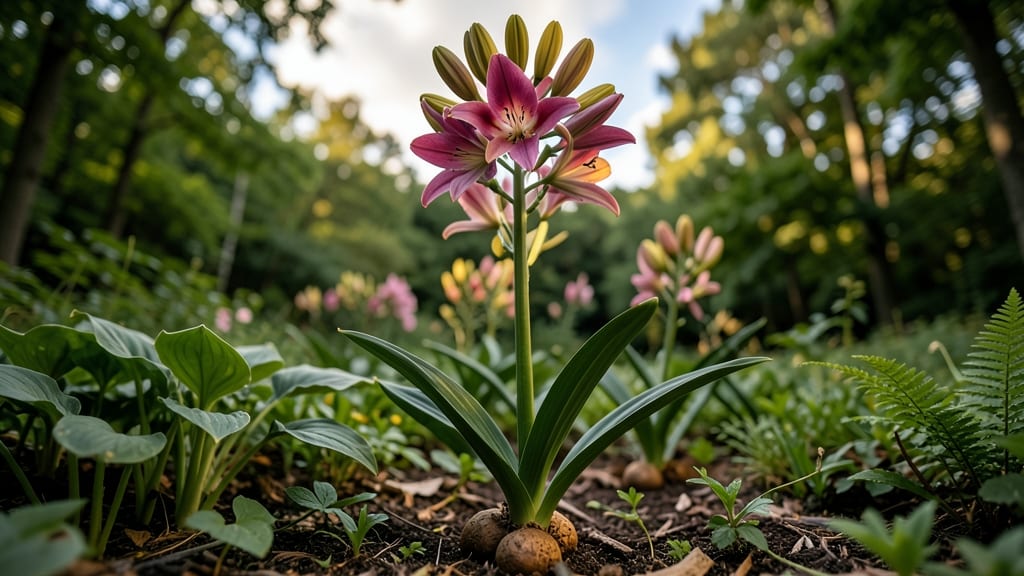
Fall is the perfect time to plant bulbs in Zone 8 for vibrant spring blooms. These 10 fast-growing varieties thrive in mild winters, offering early color and minimal care once established.
Daffodil Bulbs for Early Spring Color
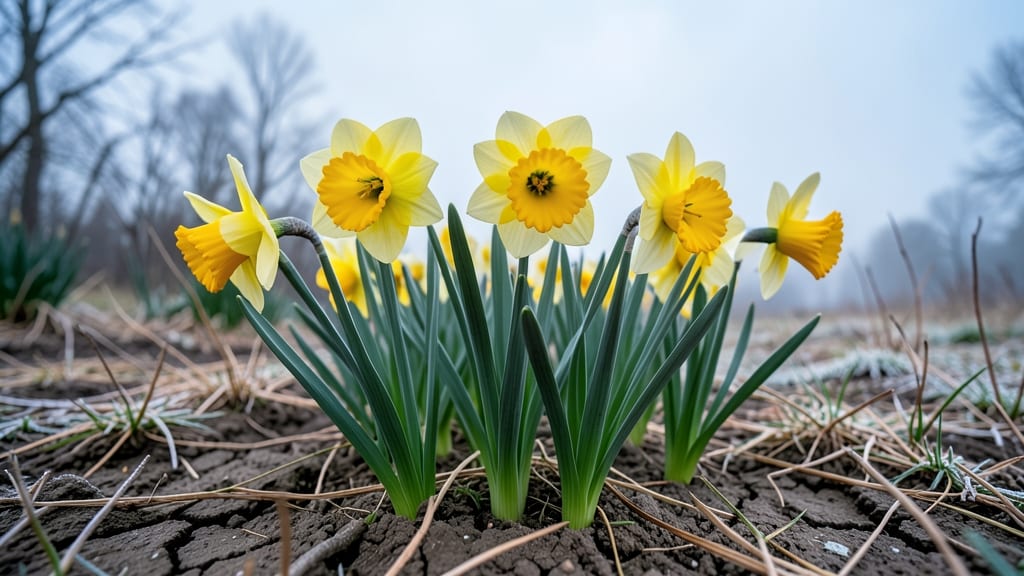
Brighten up your Zone 8 garden with daffodils, the unsung heroes of early spring color. These cold-hardy bulbs push through winter's chill to deliver cheerful yellows and whites as early as February, often before other plants even think about waking up.
What makes daffodils especially rewarding is their ability to multiply yearly—once planted, they'll naturalize and spread, creating more blooms with each passing season. Plus, their deer-resistant nature means you won’t have to worry about hungry critters snacking on your spring display. For best results, plant bulbs 6-8 inches deep in well-draining soil and give them full sun to partial shade.
Perfect for beginners and low-maintenance gardeners, daffodils bring instant joy with minimal effort. Their reliable blooms make them a must-have for any Zone 8 garden. 🌱
Tulip Bulbs with Long Vase Life
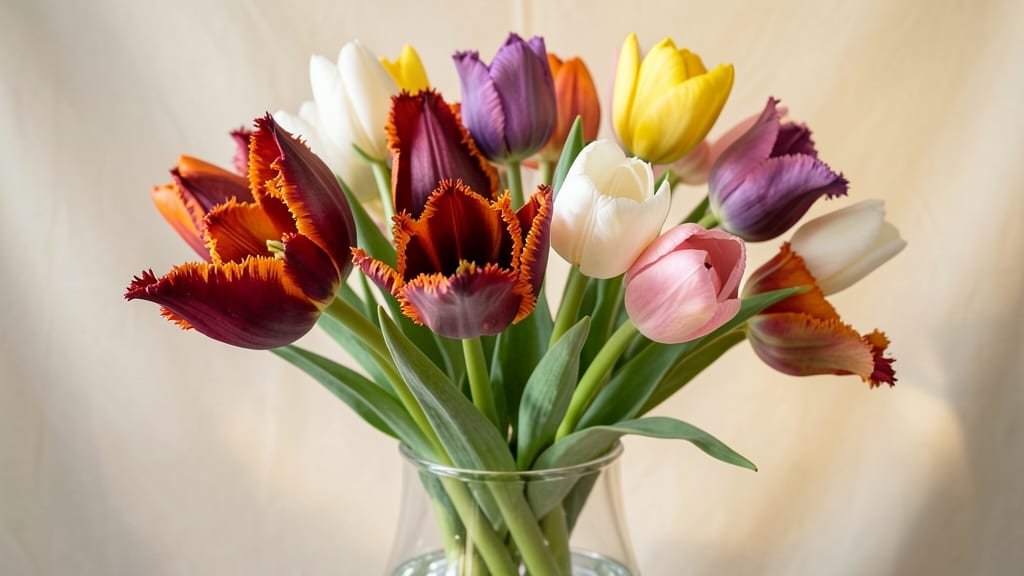
Want to enjoy cut tulips that last longer than most grocery store bouquets? Darwin Hybrid tulips and Parrot tulips are your secret weapon—these varieties hold their shape and color for 5-7 days in arrangements, making them florist favorites and perfect for home gardeners who love fresh-cut flowers.
For Zone 8’s mild winters, plant these bulbs 8-10 inches deep (deeper than other tulips) to protect them from heat and encourage strong stems. Choose well-draining soil and full sun for the best vase life. Varieties like ‘Apeldoorn’ (pink) or ‘Black Parrot’ (exotic purple-black) not only look stunning but also resist wilting longer than standard tulips.
Florists and home gardeners alike will love that these tulips produce bold, long-lasting blooms that bring spring’s beauty indoors. Perfect for cutting gardens or container arrangements! 🌷
Crocus Bulbs for Pollinators and Early Blooms
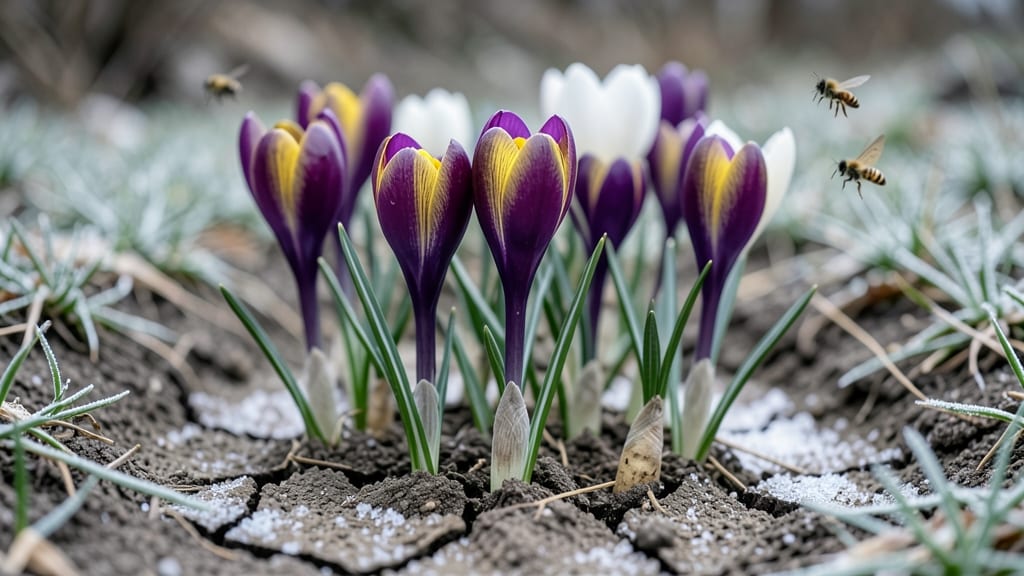
If you’re eager to welcome the first pollinators of spring, crocus bulbs are your secret weapon. These hardy blooms break through frozen soil as early as January in Zone 8, providing a vital food source for bees and butterflies when other flowers are still dormant.
Plant crocus bulbs 3–4 inches deep in well-draining soil, even in rocky or sandy areas where other plants struggle. Their low-growing habit makes them perfect for edging paths, filling gaps between stepping stones, or creating a natural carpet under deciduous trees. Choose varieties like ‘Purple Striped’ or ‘Whitewell Purple’ for bold color contrasts.
Perfect for beginners and pollinator enthusiasts, crocus bulbs multiply over time, ensuring years of effortless early-season blooms. 🌱
Allium Bulbs for Dramatic Purple Spikes
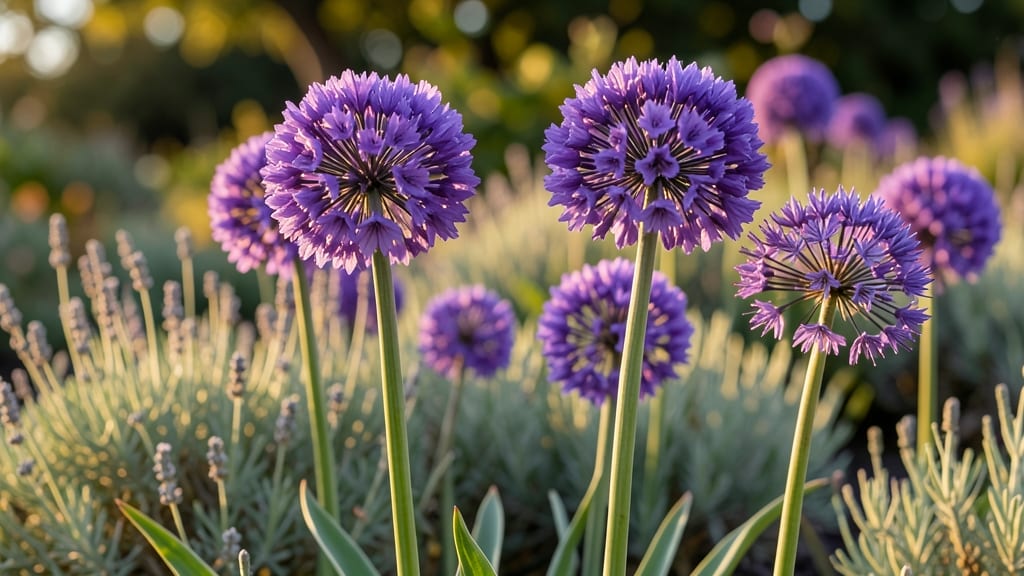
Looking for a low-maintenance way to add dramatic height and texture to your Zone 8 garden? Allium bulbs deliver striking purple spherical blooms that stand out against any backdrop while thriving in full sun and drought conditions.
These hardy bulbs—like the popular Allium giganteum or Allium schubertii—require minimal care once planted in well-draining soil. Their pollinator-friendly flowers attract bees and butterflies, making them a must for wildlife gardens. Plant them 6 inches deep and 12 inches apart in fall for spring blooms that reach 2-4 feet tall, creating instant vertical interest.
Perfect for urban gardeners with limited space or dry-climate gardeners in Southern California, alliums bring a modern, architectural touch without the fuss. 🌻
Hyacinth Bulbs with Fragrant Blooms
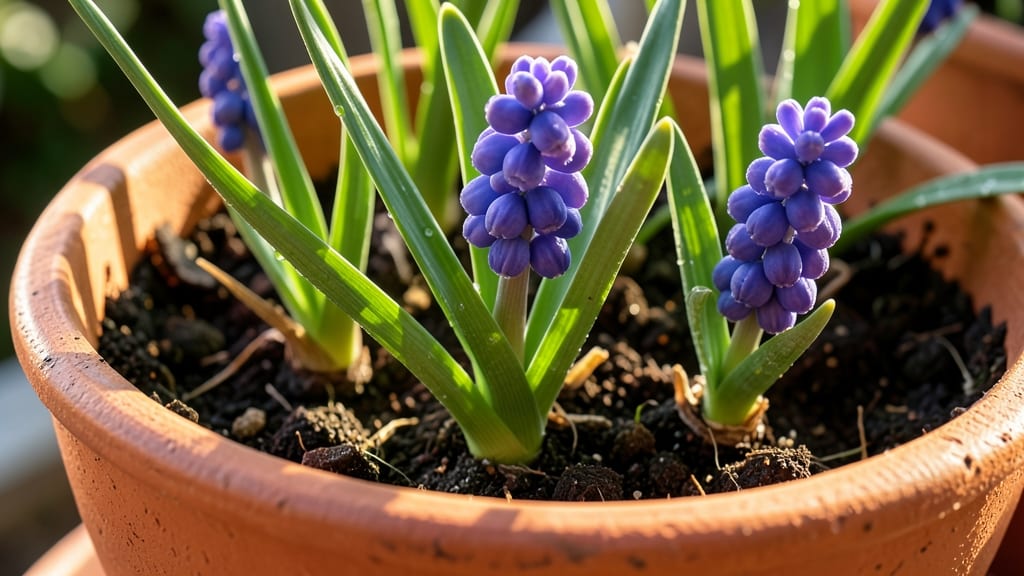
Want to fill your small garden or balcony with a burst of intense fragrance that draws you outside every morning? Hyacinth bulbs are your answer—these compact powerhouses pack a punch with their sweet, intoxicating scent, making them perfect for containers and tight spaces where bigger blooms can't fit.
Plant these bulbs 3-4 inches deep in well-draining soil in late fall (October-November in Zone 8), where they'll thrive in full sun to partial shade. Choose varieties like 'Pink Pearl' or 'Blue Jacket' for vibrant color clusters that appear in late winter to early spring. Their dense growth habit means you'll get more blooms per square foot than many other spring bulbs.
Ideal for urban gardeners, patio planters, or fragrant garden corners, hyacinths reward you with minimal effort—just water occasionally once blooms appear. 🌷
Fritillary Bulbs for Checkered Patterns
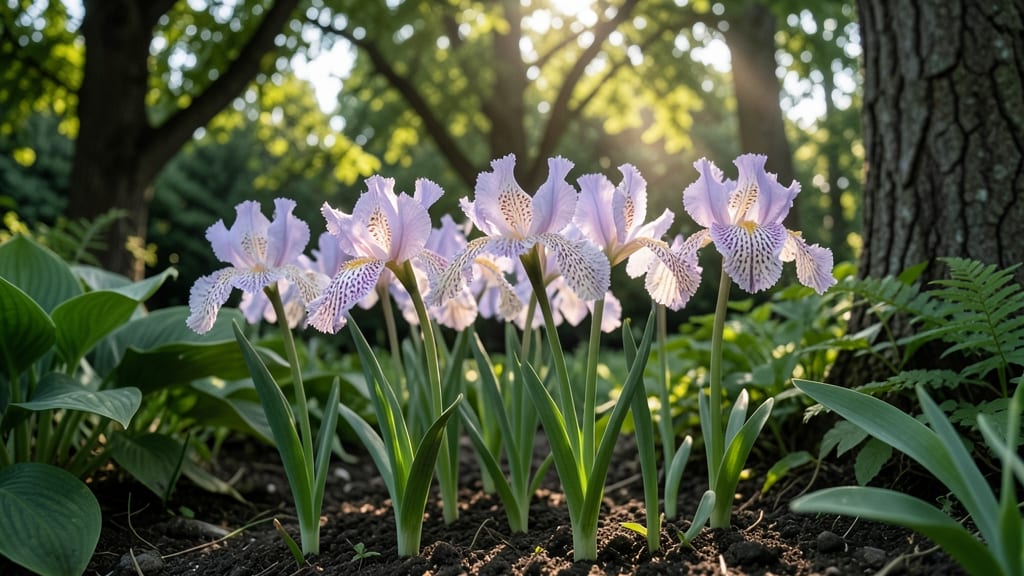
Looking for a bulb that brings whimsical charm to your garden? Fritillary bulbs deliver with their distinctive checkered, lacy blooms that resemble delicate lace or even tiny parachutes. These exotic beauties thrive in partial shade, making them perfect for under trees or along shady garden borders where other bulbs struggle.
Plant them in well-draining soil (mix in compost for richer texture) at a depth of 4-6 inches, spacing bulbs 4-6 inches apart for a natural, meadow-like effect. Their late spring blooms (April-May in Zone 8) provide a striking contrast to early spring flowers, and they naturalize beautifully over time. The Fritillaria meleagris variety is especially prized for its purple-and-white checkerboard pattern.
Ideal for cottage gardeners and those with shady spots, fritillaries add a touch of old-world magic with minimal fuss. Pair them with alliums or hyacinths for a layered spring display that’s pure enchantment. 🌷
Snowdrop Bulbs for Winter Interest
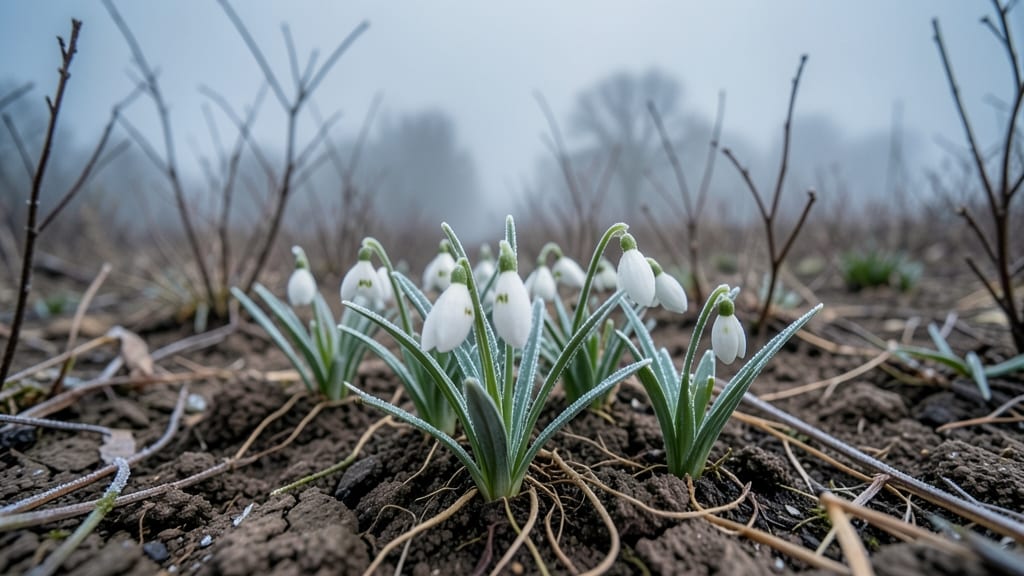
When your garden looks like a blank canvas in winter, snowdrops bring the first splash of color—often by February in Zone 8. These delicate white blooms emerge through snow or frost, signaling spring’s arrival when most other plants are still dormant.
Plant snowdrop bulbs in fall (October-November) in partial shade under trees or along foundations, where they’ll naturalize over time. Their 6-inch height makes them perfect for underplanting shrubs or edging paths, and they thrive in moist, well-draining soil—even in shady spots where other bulbs struggle. Once established, they multiply yearly, creating lush drifts of early blooms with almost no maintenance.
Ideal for beginner gardeners and low-maintenance landscapes, snowdrops add elegance without fuss. Their winter hardiness and early bloom time make them a must-have for Zone 8 gardens craving color when the world is still gray. 🌱
Muscari Bulbs for Blue Grape-Like Clusters
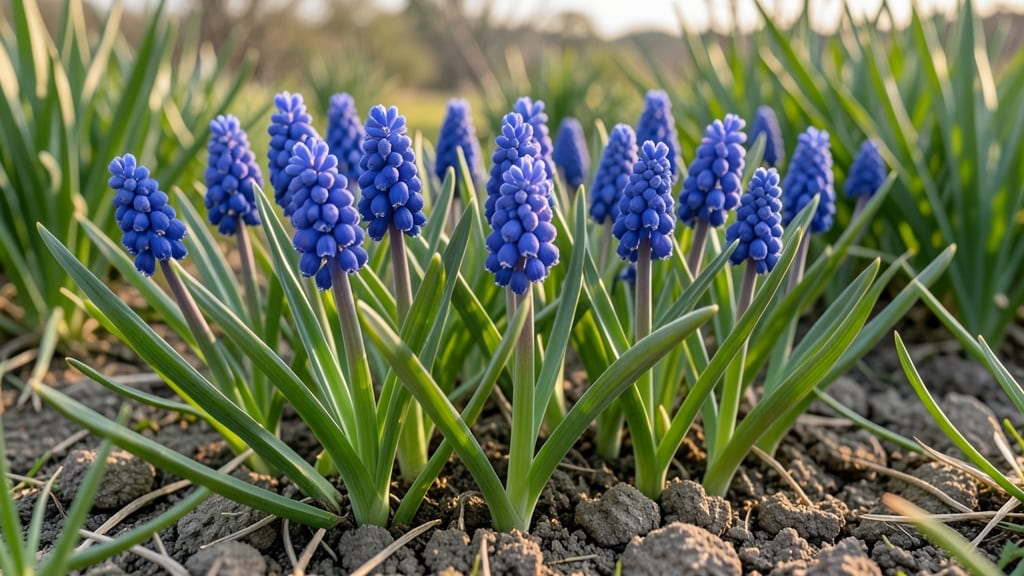
Looking for a low-maintenance bulb that thrives in Zone 8's dry spells and keeps deer from nibbling your garden? Muscari bulbs—commonly called grape hyacinths—deliver those drought-tolerant, deer-resistant blue clusters that pop against spring greenery. Their grape-like blooms create a striking contrast when planted alongside purple alliums, adding texture and color to borders or containers.
Plant these bulbs 6 inches deep and 4 inches apart in well-draining soil, and they’ll reward you with early spring blooms (March–April) that naturalize over time. Unlike fussy bulbs, muscari ask for little: just full sun to partial shade and occasional watering once established. They’re perfect for urban gardens, rockery edges, or even woodland gardens where deer might wander.
Busy gardeners and wildlife enthusiasts will love how muscari multiply yearly while requiring almost no upkeep. Pair them with daffodils or tulips for a longer bloom season, and enjoy their effortless charm. 💚
Anemone Bulbs for Late-Season Color
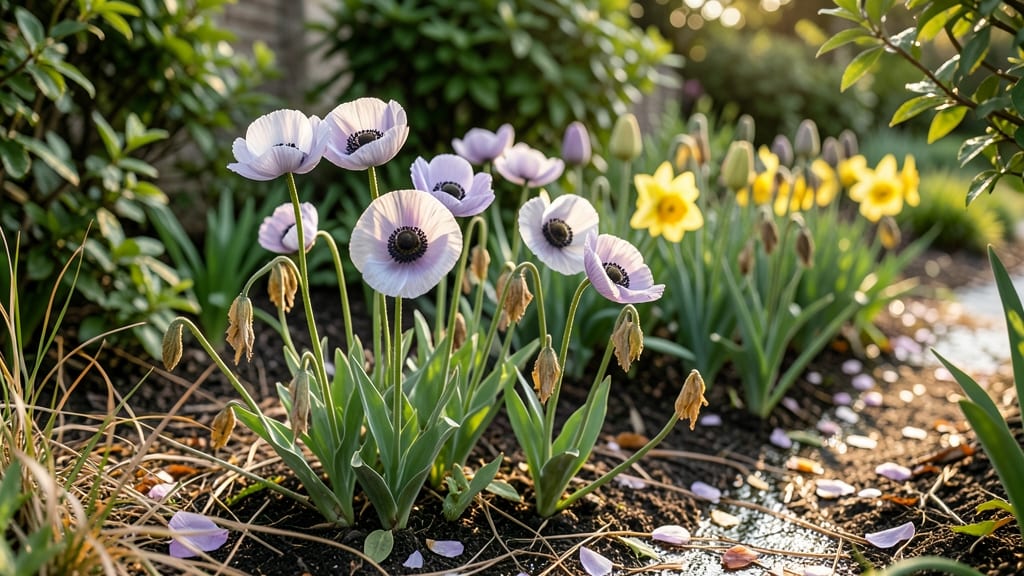
When your tulips and daffodils start fading by May, anemone bulbs step in to extend your spring color show with their delicate blooms. Unlike most spring bulbs that peak in early spring, anemones thrive in Zone 8's warm soils and partial shade, delivering late-season beauty when other flowers have already bowed out.
Plant these bulbs 2-3 inches deep in well-draining soil from October to November, pairing them with fritillaries or muscari for a layered effect. Their dark-centered blooms (in white, pink, or blue) contrast beautifully with foliage, and they naturalize over time, creating self-sustaining colonies. Perfect for shady borders or woodland gardens, they require minimal care once established.
Anemones are ideal for gardeners who want extended seasonal interest without the fuss of annuals. Their late-blooming nature makes them a standout choice for Zone 8's transitional climate, where mild winters can cause early spring flowers to fade quickly. 🌷
Lily Bulbs for Tall Garden Drama

When your garden needs a vertical statement, lily bulbs deliver dramatic height and fragrance that transforms any space. Unlike shorter spring bulbs, lilies reach 4-6 feet tall, creating natural focal points that draw the eye upward—perfect for mixed borders or woodland gardens in Zone 8.
Plant these bulbs in well-draining soil with 6 hours of sun daily, and expect fragrant blooms from late spring through summer. Varieties like Stargazer lilies or Oriental lilies thrive in Zone 8's warm climate, while their nectar-rich flowers attract hummingbirds and bees. For best results, plant bulbs 6 inches deep and space them 8-12 inches apart to allow foliage to spread.
These bulbs are ideal for gardeners who want year-round structure—their sword-like foliage remains attractive even after blooms fade. Plus, they’re perfect for cutting gardens or adding drama to shady corners where other plants struggle. 🌻