
Planting
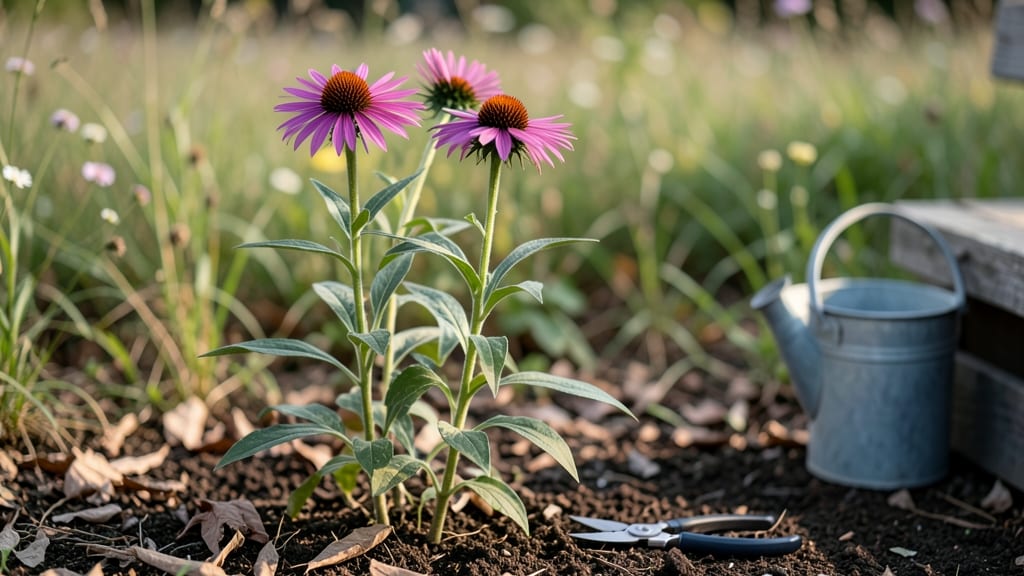
Partial sun perennials in zone 5 are the unsung heroes of any garden—reliable blooms that reward patience with minimal fuss. 🌿 I’ve grown my share of finicky plants, but these hardy varieties prove that beauty doesn’t require constant sunshine.
The right ones thrive with just 3-6 hours of light, making them perfect for shady corners or spots where full sun would scorch. These plants need well-draining soil and occasional watering, but they’ll reward you with season-long color and sturdy growth.
My go-to list includes hostas, asters, and coneflowers—all of which bounce back after winter and attract pollinators. The key is choosing varieties bred for your climate, not just your light conditions. By late summer, your garden will burst with vibrant blooms that outlast the heat.
The best part? Once established, these perennials need almost no maintenance—just a little pruning and occasional mulch. They’re the kind of plants that make gardening feel effortless. Whether you’re filling a shady border or brightening a north-facing yard, these perennials deliver year after year with almost no work.
Let’s get planting!
📚 In This Guide
- What you need
- Instructions
- Tips and common mistakes
- Wrapping up and next steps
What you need
- ● Partial Sun Perennials (Zone 5-hardy): 5–10 plants (e.g., Coneflower (Echinacea), Black-Eyed Susan (Rudbeckia), or Catmint (Nepeta))
- ● Check labels for USDA Zone 5 compatibility.
- ● Garden Soil: 1–2 cubic yards of well-draining, amended soil (mix in compost for nutrients).
- ● Organic Mulch: 3–5 bags (2–3 cubic feet each) of shredded bark or pine straw.
- ● Watering Supplies: 1 garden hose with a soaker nozzle or drip irrigation kit.
- ● Hand Trowel or Transplant Spade (for digging small holes).
- ● Garden Gloves (to protect your hands from thorns or rough soil).
- ● Pruning Shears (for trimming dead foliage or shaping plants).
- ● Wheelbarrow or Bucket (for hauling soil/mulch).
- ● Slow-Release Fertilizer (e.g., 10-10-10 or rose & bloom blend).
- ● Plant Stakes or Labels (for tracking varieties).
- ● Edging Tool (to define garden beds neatly).
- ● Rain Gauge (to monitor watering needs).
How to select and plant partial sun perennials in Zone 5
Here’s how I choose and establish perennials that thrive in Zone 5’s partial sun—where they’ll reward you with minimal effort.
🌱 Step 1: Choose the Right Perennials for Your Light Conditions
Zone 5’s partial sun typically means 3-6 hours of direct sunlight daily, with dappled shade the rest of the time. Focus on hardy perennials like hostas, astilbes, bleeding hearts, and lungworts—they tolerate morning sun and afternoon shade beautifully. Avoid sun-lovers like daylilies or lavender, which scorch in afternoon heat.
Check your site’s light patterns first. If your area gets bright morning sun but afternoon shade, hostas and ferns will excel. If it’s even light all day, opt for astilbes or coral bells. I always test a spot for a week before planting—watch how shadows shift and adjust your choices accordingly.
☀️ Step 2: Prepare the Planting Site for Moisture and Drainage
Partial sun perennials often struggle in dry soil, so amend your beds with 2-3 inches of compost mixed into the top 6 inches of soil. This improves moisture retention without suffocating roots. I avoid heavy clay by adding a handful of perlite or coarse sand to each planting hole—this ensures water drains freely but doesn’t dry out too quickly.
Dig holes twice as wide as the root ball but only as deep. Planting too deep buries the crown, inviting rot. If your soil feels compacted, loosen it further with a fork—roots need room to spread, especially in Zone 5’s cooler springs.
🌿 Step 3: Plant and Mulch for Winter Protection
Place each perennial so the top of the root ball sits level with the soil surface. Gently press the surrounding soil to remove air pockets, then water deeply to settle everything. I always add a 2-inch layer of mulch (shredded bark or straw) immediately after planting—this conserves moisture and insulates roots from Zone 5’s harsh winters.
Keep mulch 2 inches away from stems to prevent moisture buildup that causes rot. For extra winter protection, top-dress with an additional inch of mulch in late fall. This simple step prevents heaving (when roots freeze and thaw, pushing plants out of the ground).
⏰ Step 4: Water and Fertilize for First-Year Establishment
Water newly planted perennials once a week for the first month, then taper to every 10-14 days once established. Check soil moisture by sticking your finger 2 inches deep—if it’s dry, water thoroughly. Overwatering in partial shade leads to root rot, so let the top inch dry between waterings.
Skip fertilizer the first year unless your soil is extremely poor. A light application of balanced 10-10-10 in early spring of the second year encourages strong growth. I’ve found that partial sun perennials often thrive with no additional feeding—they’re built for resilience, not excess nutrients.
✂️ Step 5: Prune and Divide for Long-Term Health
Cut back dead foliage in early spring (before new growth emerges) to tidy up and prevent disease. For perennials like hostas, I remove any yellowed or damaged leaves, but leave last year’s stems for overwintering insects. Deadheading spent blooms (like on astilbes) encourages a second flush of flowers.
Divide clumps every 3-4 years in early spring or fall. Overcrowded roots lead to smaller blooms and weaker plants. Dig up the entire clump, separate into sections with 3-5 healthy shoots each, and replant immediately. This rejuvenates your perennials and gives you free plants to share!
Tips & tricks for perfect partial sun perennials in Zone 5
These practical insights will help your shade-loving perennials thrive with minimal fuss—just like they do in my own garden.
Light Pattern Strategy: The 3-6 hours of sunlight mentioned in Step 1 is a guideline, but real-world conditions vary. I recommend observing your planting spot for a full week before choosing plants. Morning sun with afternoon shade works perfectly for hostas, while astilbes handle more even light. If your area gets intense afternoon sun, consider adding partial shade with nearby trees or structures—this mimics the natural dappled light these perennials prefer.
Soil Preparation Secret: When amending your planting site with 2-3 inches of compost in Step 2, don't stop there. For clay-heavy soils common in Zone 5, I add an extra handful of coarse sand or perlite to each planting hole. This creates tiny air pockets that improve drainage while still retaining moisture—critical for partial sun plants that can't handle drying out. Think of it as giving your roots a cozy, well-ventilated home.
Mulching Mastery: The 2-inch mulch layer in Step 3 is non-negotiable for winter protection, but here's what I've learned: Use shredded hardwood bark rather than straw for better long-term moisture retention. And when you add that extra inch in late fall, make sure it's well-aged mulch—fresh mulch can draw nitrogen away from your plants. I also create a small mulch-free zone around stems to prevent rot, but keep that area minimal to avoid exposing roots to temperature swings.
Watering Wisdom: The once-weekly watering schedule in Step 4 works for most Zone 5 conditions, but I adjust based on rainfall. After a heavy rain, I skip watering entirely—these perennials are built to handle natural moisture cycles. The key is checking that top 2 inches of soil; if it's dry, water deeply until moisture reaches 6 inches down. This encourages deep root growth that makes plants more drought-tolerant over time. Think of watering as training your plants to become more resilient.
Pro Tips for Partial Sun Perennials Zone 5
- These practical insights will help your shade-loving perennials thrive with minimal fuss—just like they do in my own garden.
- Light Pattern Strategy: The 3-6 hours of sunlight mentioned in Step 1 is a guideline, but real-world conditions vary.
- Soil Preparation Secret: When amending your planting site with 2-3 inches of compost in Step 2, don't stop there.
Frequently asked questions
Got questions about growing partial sun perennials in Zone 5? You’re not alone!
Here are some of the most common concerns—and their answers—to help you create a thriving, low-maintenance garden.
What does "partial sun" really mean?
"Partial sun" typically means 3 to 6 hours of direct sunlight per day. However, in Zone 5’s cooler climate, some perennials (like hostas or astilbes) tolerate morning sun and afternoon shade, while others (like daylilies) need at least 4–5 hours of sun. Always check plant tags for specifics!
When is the best time to plant partial sun perennials in Zone 5?
The ideal windows are spring (after the last frost, around late April–May) or early fall (September–October). Planting in spring gives roots time to establish before winter, while fall planting avoids summer heat stress. Pro tip: Water deeply after planting to reduce transplant shock!
What are the easiest partial sun perennials for beginners in Zone 5?
Start with these low-maintenance superstars:
- Hostas – Lush foliage, shade-tolerant, and deer-resistant.
- Daylilies (Hemerocallis) – Drought-tolerant once established, blooms all summer.
- Coneflowers (Echinacea) – Hardy, pollinator-friendly, and thrives in partial sun.
- Astilbes – Feathery plumes, loves moisture, and blooms mid-to-late summer.
All handle Zone 5 winters with ease!
Why are my partial sun perennials struggling in Zone 5?
Common issues and fixes:
- Leggy or sparse growth → Likely not enough light. Move to a sunnier spot or pair with taller plants for support.
- Yellowing leaves → Could be overwatering or poor drainage. Ensure soil drains well and water at the base.
- No blooms → Might need more sun (5+ hours) or fertilizer (use a balanced 10-10-10 in early spring).
Pro tip: Mulch in late fall to protect roots from harsh Zone 5 winters!
Can I grow partial sun perennials in containers in Zone 5?
Choose compact varieties like dwarf hostas, miniature daylilies, or creeping phlox. Use well-draining potting mix and a container with drainage holes. In winter, wrap pots in burlap or move them to a sheltered spot to prevent freezing.
Wrapping up and next steps
Growing partial sun perennials in Zone 5 is a rewarding way to add color, texture, and life to your garden with minimal effort! These hardy plants not only survive but thrive in your climate, offering year-after-year beauty with little fuss.
Whether you're a beginner or a seasoned gardener, embrace these low-maintenance blooms—your future garden will thank you! 🌸
Ready to transform your space? Start small—pick 2-3 perennials from our list, plant them this season, and watch your garden flourish! 🌱