
Size
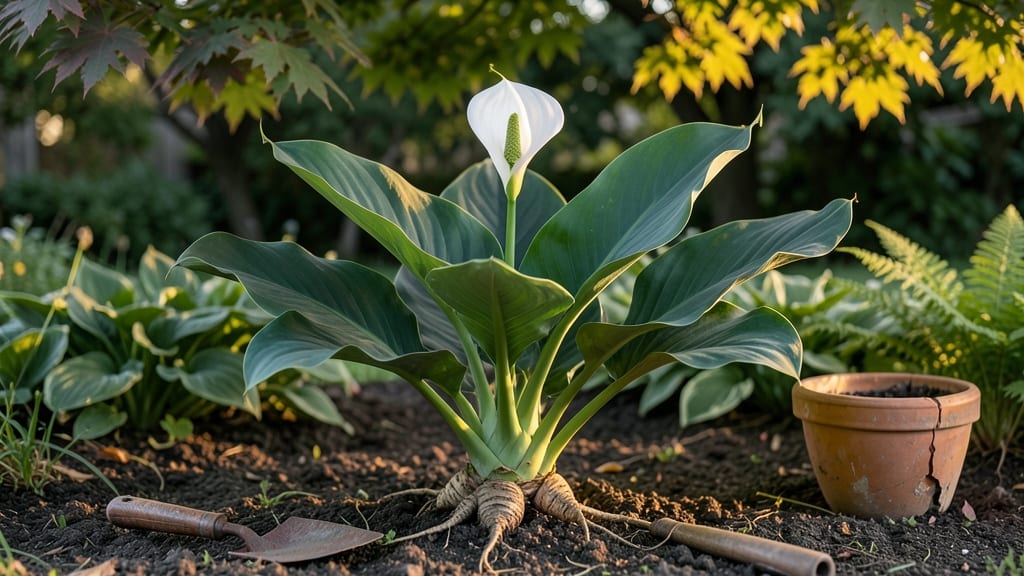
Calla lilies thrive in zones 8 through 11, where warm winters and long growing seasons let their bold foliage shine. 🌿 I’ve grown them in zone 9 for years, and the difference between a struggling plant and a showstopper comes down to understanding their climate needs—something I learned the hard way after my first winter kill.
These plants love heat and humidity, making them perfect for southern gardens, but they’re often grown as annuals in cooler zones. In colder climates, dig up tubers before frost and store them in dry peat moss until spring.
The key is matching their tropical roots to your local conditions—whether that means a greenhouse in zone 7 or a sunny border in zone 10. What you’ll get is dramatic, architectural foliage that lasts from early summer through frost, plus those iconic white or deep purple blooms.
The plants reward patience with months of bold color, and once you nail the growing zone, they become nearly foolproof. For zones 5-7, treat them as annuals or overwinter in containers with protection.
In zones 8-11, they’ll naturalize and multiply if given the right spot—moist, well-drained soil and partial shade. Here’s how to make them thrive in your climate!
📚 In This Guide
- What you need
- Instructions
- Tips and common mistakes
- Wrapping up and next steps
What you need
- ● Calla lily rhizomes: 1–3 per container or 6–12 per in-ground planting (choose healthy, firm rhizomes with visible growth points).
- ● Well-draining potting mix: 3–5 gallons (for containers) or enriched garden soil (for in-ground). Mix with perlite or sand (10–20% by volume) for aeration.
- ● Organic compost: 1–2 cups per planting hole (boosts nutrients without overwhelming roots).
- ● Slow-release fertilizer: 5–10-10 or 10-10-10 (1 tbsp per plant at planting time).
- ● Mulch: 2–3 inches of shredded bark or pine straw (retains moisture and regulates soil temp).
- ● Garden trowel or transplant spade (for digging holes 2–3 inches deep).
- ● Watering can or hose with gentle nozzle (avoid overhead watering to prevent fungal issues).
- ● Gloves (rhizomes can be sharp!).
- ○ Containers (optional): 12–18" diameter pots with drainage holes (for Zones 7 or cooler).
- ○ Soil pH test kit (optional): Ideal pH range: 6.5–7.5 (callas thrive in slightly acidic to neutral soil).
- ● Sunlight: Partial shade (4–6 hours of dappled sun daily; protect from harsh afternoon rays in Zones 9–11).
- ● Water: Consistent moisture (1–2 inches per week; never soggy).
- ● Climate note: In Zones 7 or below, plant in containers for winter protection or dig up rhizomes after foliage dies back.
How to choose and plant calla lilies in the right growing zones
Here's how to pick the perfect spot and get your calla lilies thriving in their ideal climate.
🌱 Step 1: Identify Your USDA Growing Zone
Calla lilies thrive best in USDA zones 8 through 11, where winters stay above 20°F and summers provide plenty of warmth. Check your local zone by entering your ZIP code into the USDA Plant Hardiness Zone Map online—it’s free and takes seconds. If you're in zones 7 or cooler, treat callas as annuals or grow them in containers you can bring indoors before frost.
Here's the thing—calla lilies hate cold. Even a single night below 25°F can damage their rhizomes. If you're on the edge of zone 8, I recommend planting them near a south-facing wall or in a sheltered microclimate where they get extra warmth from the structure. You'll see healthier growth and bigger blooms if they're protected from late spring frosts.
☀️ Step 2: Select the Perfect Sunlight Spot
Calla lilies need partial shade—think morning sun with afternoon shade or dappled light under trees. Too much direct sun, especially in hotter zones, causes their leaves to scorch and their blooms to wilt faster. In zones 9-11, they’ll tolerate morning sun only, while cooler zone 8 gardens can handle half-day sun.
Watch for signs of stress: yellowing leaves mean too much sun, while leggy stems with sparse blooms mean they’re not getting enough light. I like to plant mine where they get bright, indirect light all day—like under a patio awning or near a tall shrub that filters the sun. This balance keeps their signature heart-shaped leaves vibrant and their blooms lasting longer.
💧 Step 3: Prepare the Soil for Optimal Growth
Calla lilies love rich, moist, well-draining soil with a pH between 6.0 and 7.0. Before planting, mix 2-3 inches of compost into the top 12 inches of soil to improve fertility and drainage. If your soil is heavy clay, add a handful of perlite or sand to prevent waterlogging—calla rhizomes rot quickly in soggy conditions.
Here’s a trick I use: dig a hole twice as wide as the rhizome but only as deep as it is. Place the rhizome horizontally, with the eyes (growth points) facing up. Cover it with 2-3 inches of soil, leaving the top exposed to light. This ensures the rhizome gets the moisture it needs without drowning. Water gently after planting to settle the soil around it.
⏰ Step 4: Time Your Planting for Seasonal Success
In zones 8-11, plant calla lilies in early spring after the last frost date, ideally when soil temperatures reach 60°F. You’ll see new growth emerge within 2-3 weeks if conditions are right. In warmer zones, you can also plant in early fall for a winter-to-spring display, but avoid planting in summer heat—rhizomes stress easily in temperatures above 85°F.
If you're growing callas in containers, you can plant them anytime the soil is workable, but spring is still best. I’ve found that callas planted in late spring still bloom beautifully, but they’ll be smaller and less vigorous than those established earlier. Watch for the first signs of growth—tiny shoots pushing through the soil—and that’s your cue to keep the soil consistently moist but not waterlogged.
🌿 Step 5: Maintain and Protect Through the Seasons
Once established, calla lilies need 1 inch of water per week, either from rainfall or irrigation. Let the top inch of soil dry out between waterings to prevent fungal issues, but never let them dry out completely. In zones 8-9, mulch around the plants with 2-3 inches of organic mulch to retain moisture and protect rhizomes from temperature swings.
In colder zones, lift and store rhizomes after the first frost. Cut back the foliage, let the rhizomes dry slightly, and store them in a cool, dark place with 50-60°F temperatures until spring. If you’re in zone 10 or warmer, they’ll often survive winter with just a thick layer of mulch. The key is protecting them from extreme cold—even a light frost can damage tender leaves and blooms.
Tips & tricks for perfect calla lily planting
These simple strategies will help you avoid common pitfalls and get stunning blooms every season.
Zone Protection: In zones 7 and cooler, I've learned the hard way that even a light frost can ruin your calla lilies. If you're on the edge of zone 8, plant near a south-facing wall or use frost cloths during late spring cold snaps. This extra protection makes all the difference for those first tender shoots emerging in spring.
Sunlight Balance: The ideal partial shade spot is trickier than it sounds. I recommend testing your location first—plant a temporary marker where you plan to put calla lilies and observe how much direct sun it gets throughout the day. If leaves start yellowing by midday, you're getting too much sun. For zones 9-11, morning sun only is perfect, but in cooler zones, you can stretch to half-day sun.
Soil Preparation: The 2-3 inches of compost mentioned in Step 3 is non-negotiable for calla lilies. I like to mix in a handful of worm castings too—it gives that extra boost of nutrients without altering the soil structure. For clay-heavy soils, add perlite at a 1:1 ratio with the compost to prevent waterlogging, which is deadly for calla rhizomes.
Planting Depth: That 2-3 inches of soil coverage in Step 3 might seem shallow, but it's intentional. The rhizomes need to stay partially exposed to light to prevent rotting. I've seen beginners bury them too deeply, and within weeks, the plants just... disappear. Think of it like planting potatoes—just enough to cover but not smother.
Pro Tips for Calla Lily Grow Zone
- These simple strategies will help you avoid common pitfalls and get stunning blooms every season.
- Zone Protection: In zones 7 and cooler, I've learned the hard way that even a light frost can ruin your calla lilies.
- Sunlight Balance: The ideal partial shade spot is trickier than it sounds.
Frequently asked questions
Got questions about growing calla lilies in the right zones? You’re not alone! Here are answers to the most common queries to help you cultivate stunning blooms with ease.
What are the best USDA growing zones for calla lilies?
Calla lilies thrive in USDA zones 8–11, where they can enjoy warm winters and mild summers. In colder zones (7 or below), grow them as annuals or overwinter tubers indoors. For container gardening, zone 7 gardeners can bring pots inside before frost!
Can calla lilies survive winter in cold climates?
In zones 7 and below, calla lilies are not frost-hardy. Dig up tubers before the first frost, trim foliage, and store them in dry peat moss or vermiculite in a cool (40–50°F) dark place until spring. Replant after the last frost when soil warms to 60°F+.
How do I prepare the soil for calla lilies in my zone?
Calla lilies love rich, well-draining soil with a pH of 6.5–7.5. Amend heavy clay with compost or sand, and ensure partial shade (especially in hot zones 9–11). A slow-release bulb fertilizer at planting time gives them a nutrient boost for vibrant blooms!
Are there calla lily varieties that tolerate cooler zones?
While no variety is fully frost-resistant, Calla palustris (wild calla) is slightly more cold-tolerant than tropical types. For zones 7–8, try Zantedeschia aethiopica (white calla) as it handles cooler temps better than colorful hybrids. Always protect with mulch or containers!
Why aren’t my calla lilies blooming in zone 9?
Overly hot summers or too much shade can stunt blooms. Ensure your callas get morning sun + afternoon shade. Overwatering or poor drainage also causes stress—let soil dry slightly between waterings. A balanced fertilizer in spring encourages flowering!
Wrapping up and next steps
Growing calla lilies is a rewarding journey, and with the right calla lily grow zone—whether you're in the warm embrace of USDA Zones 8-10 or adapting indoors in cooler climates—your garden can bloom with stunning elegance. 🌸 Remember, patience and attention to soil, sunlight, and seasonal shifts are your secret weapons for success!
Now that you’re armed with the know-how, why not plant your first calla lily this week? Grab those rhizomes, pick a sunny spot, and let nature work its magic—your future floral masterpiece is just a shovel’s throw away! 🌱