
Planting
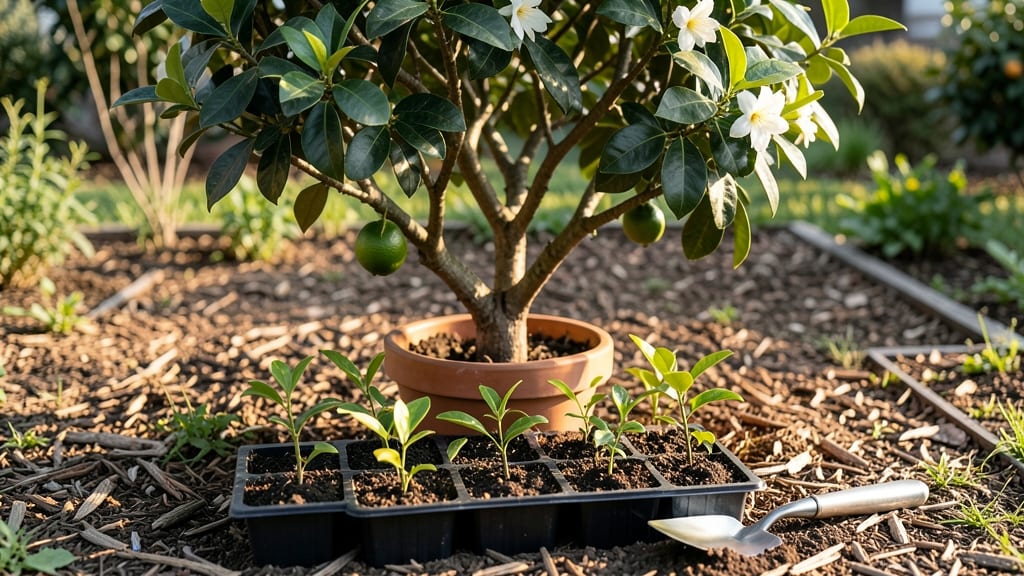
The last frost date for Zone 9A typically falls between February 15 and March 15, though coastal areas may see frost-free conditions as early as January. Southern counties like San Diego often experience earlier last frosts, while inland regions like Riverside may extend until late March. Always verify local microclimates for precise planting windows.
The exact timing of your area's final frost depends heavily on local geography.
Coastal regions like San Diego's South Bay often warm up weeks earlier than inland valleys, where cold air pools at night. Urban heat islands in cities like Los Angeles can delay frosts by 1-2 weeks compared to rural areas, while mountain foothills may see late-season freezes well into April. 🌿 I always check local weather stations for 3-5 years of historical data—this gives a clearer picture than USDA averages alone.
For gardeners, knowing this date isn't just about avoiding frost damage—it's about maximizing your growing season. Many warm-season crops like tomatoes and peppers can tolerate light frosts, but their growth slows dramatically in cooler soil.
That's why I recommend starting seeds indoors 4-6 weeks before your expected last frost date, then transplanting when nighttime temperatures consistently stay above 50°F. Cool-season crops like broccoli and lettuce, however, need to be sown earlier—sometimes as early as January in coastal areas—to avoid bolting in the heat.
💡 In This Article
- How Microclimates Affect Zone 9A Frost Timelines
- Planting Calendar for Zone 9A: When to Start Seeds and Transplant
How microclimates affect zone 9A frost timelines
Zone 9A's frost-free dates aren't uniform because elevation creates dramatic temperature shifts. Coastal areas like Carlsbad often see their last frost by January 15, while inland valleys such as Temecula may experience frost as late as April 1.
This happens because cold air sinks into low-lying areas, creating "frost pockets" where temperatures can drop 10-15°F colder than nearby hillsides. At higher elevations (above 1,000 feet), nights stay warmer due to reduced atmospheric density, delaying frost formation.
The ocean acts as a natural insulator, moderating temperatures in coastal regions. San Diego County's South Bay experiences fewer frosts because maritime air masses maintain higher humidity and slower cooling rates.
Meanwhile, inland desert areas like Palm Springs can have sudden temperature swings—daytime highs of 80°F followed by nighttime lows near freezing.
Urban heat islands in cities like Los Angeles also play a role, with concrete and asphalt retaining heat and pushing last frost dates 1-2 weeks later than surrounding rural areas.
USDA hardiness zones account for these variations by averaging data over 30-year periods, but local microclimates demand more precision. For example, Riverside's citrus groves often escape frost entirely, while nearby San Jacinto Mountains can still see light freezes in March.
Gardeners should monitor local weather stations for at least 5 years to identify patterns—some years may see frosts 3 weeks earlier or later than the average due to El Niño or La Niña cycles.
Another critical factor is wind patterns. Coastal areas experience Santa Ana winds in fall/winter, which can bring sudden cold snaps, while inland valleys may trap cold air for days. Urban canyons in downtown LA can experience 5°F colder nights than nearby parks due to radiative cooling.
These microclimates explain why a 1-mile difference in elevation or proximity to water can shift frost dates by 2-4 weeks.
For precise planning, consider these regional adjustments:
- Coastal (San Diego, Orange County): Last frost January 1-February 15
- Inland Valleys (Riverside, Temecula): Last frost March 1-April 1
- Mountain Foothills (San Bernardino): Last frost March 15-April 15
- Urban Heat Islands (LA, San Jose): Last frost February 15-March 1
Even within these ranges, individual yards can vary. A north-facing slope may frost 2 weeks later than a south-facing garden. That's why I always recommend testing soil temperatures with a thermometer—most plants need soil at 60°F before transplanting, regardless of air temperature.
Understanding these microclimates lets you push your growing season further. For instance, coastal gardeners can plant warm-season crops like okra as early as February 1, while inland gardeners should wait until April 1.
The key is observing your specific location's frost history rather than relying solely on zone averages.