
Plants
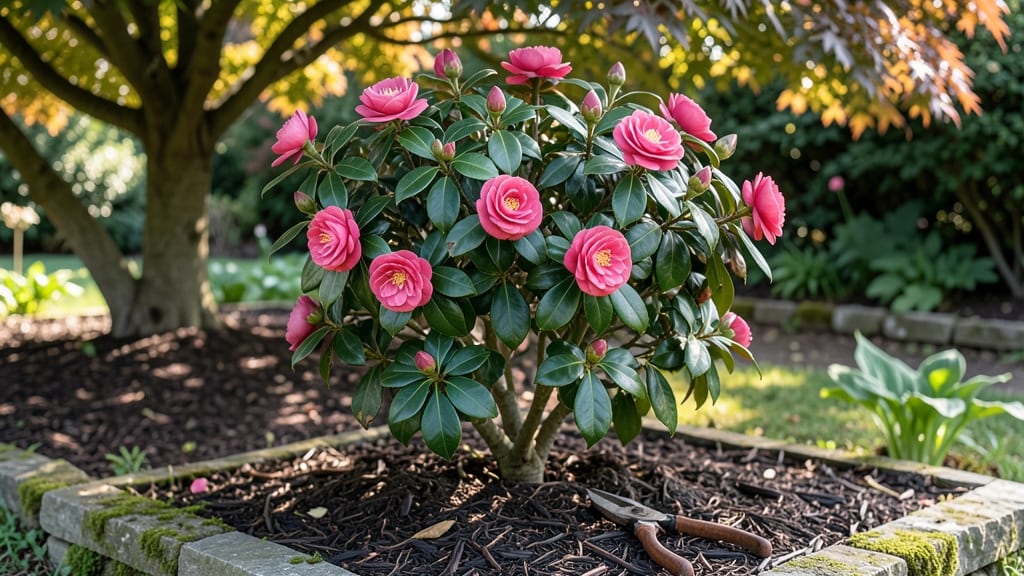
Camellia plants thrive best in USDA zones 7 through 9, where winter lows rarely fall below 10°F (-12°C), though cold-hardy varieties can survive zones 6-10 with extra care and microclimate adjustments.
Camellias are surprisingly adaptable once you understand their temperature preferences. 🌿 The key difference between zones lies in how cold the roots and buds can tolerate—most varieties struggle when temperatures dip below 10°F (-12°C) for extended periods.
Cold-hardy types like Camellia sasanqua can push into zone 6 with winter protection, while tropical varieties need zone 9's milder winters. I've seen dramatic differences in survival rates when planting near heat-retaining walls or using thick mulch layers.
What's interesting is how microclimates can shift these boundaries. A south-facing slope or windbreak can add 3-5°F of protection, turning a marginal zone into a viable growing area.
For container-grown camellias, moving pots to sheltered spots during cold snaps works wonders—it's like giving them a temporary vacation from harsh conditions. 💫
💡 In This Article
- Understanding Camellia Cold Tolerance and Zone Variations
- Microclimate Strategies for Growing Camellias Outside Ideal Zones
Understanding camellia cold tolerance and zone variations
The core of camellia cold hardiness lies in their native subtropical habitats, where winter temperatures rarely drop below 30°F (-1°C). This sets the baseline for their tolerance—most varieties begin suffering when exposed to prolonged 10°F (-12°C) or colder conditions.
The critical damage occurs at the cellular level: ice crystals form in plant tissues, rupturing cell walls and disrupting nutrient flow.
What's fascinating is how different species handle this differently—Camellia sasanqua, for example, can survive brief dips to 5°F (-15°C) thanks to its thicker bark and deeper root systems, while Camellia japonica struggles below 15°F (-9°C).
Root health is the real vulnerability. Camellia roots are shallow and sensitive to freezing soil, which is why mulching with 4-6 inches of organic material (like pine needles or shredded bark) becomes essential in colder zones. The roots need consistent temperatures above 20°F (-7°C) to avoid irreversible damage.
Heatwaves also play a role—prolonged summer temperatures above 90°F (32°C) can stress plants, making them more susceptible to winter damage by weakening their natural cold resistance mechanisms. 🌡️
Zone 7-9 represents the "Goldilocks" range where camellias thrive without artificial intervention. In these areas, winter lows typically stay between 10-20°F (-12 to -7°C), allowing the plants to enter dormancy safely. The key difference between zones 7 and 9 isn't just temperature—it's duration.
Zone 7 might see 3-4 weeks of sub-freezing temps, while zone 9 rarely drops below 25°F (-4°C) for more than a few days. This shorter cold exposure period means less stress on the plant's metabolic processes.
Species-specific adaptations explain why some camellias push boundaries. Camellia oleifera, for instance, handles zone 6 conditions better than Camellia sinensis (tea camellia), which is more tropical.
The difference comes down to evolutionary adaptations: C. oleifera developed in slightly cooler mountain regions of China, while C. sinensis thrives in lowland subtropical climates. Even within species, grafted varieties can show different hardiness—rootstock from cold-hardy parents often improves a plant's winter resilience. 🌱
What most gardeners overlook is how cold snaps interact with other factors. A 20°F (-7°C) night might not kill a camellia, but if it follows a wet autumn, the fungal risks increase dramatically. The same plant might survive -5°F (-21°C) in dry conditions but succumb if soil moisture freezes.
This is why microclimates matter so much—they can create pockets where conditions are consistently milder, allowing camellias to thrive in zones they wouldn't normally tolerate.
Consider this real-world example: In zone 6, a camellia planted against a south-facing brick wall can survive winters that would otherwise be lethal. The wall absorbs heat during the day and radiates it at night, creating a 5-10°F (3-6°C) warmer microclimate.
Similarly, in zone 10, afternoon shade becomes crucial—without it, summer temperatures can exceed 100°F (38°C), causing heat stress that weakens the plant's cold resistance when winter finally arrives. 🌿